Embracing Hope for New Life After Incarceration with Breaking the Chains Church

Breaking the Chains Church (BtCC) is a ministry inside the Felmers O. Chaney Correctional Center in Milwaukee, Wis. And the Kenosha Correctional Center in southeast Wisconsin. Both centers are minimum-security facilities where people who are incarcerated but nearing their release date can access work release, tutoring and other programs designed to prepare them to reenter the community and reduce the chances they’ll return. Many involved with BtCC find support, spiritual guidance, connection and hope in a place of isolation.
BtCC offers the men who are incarcerated a Wednesday Bible study and Saturday evening worship, with volunteers from the Greater Milwaukee Synod joining them for these gatherings. The ministry is a partnership between the Evangelical Lutheran Church in America, the Wisconsin Department of Corrections, and Prison Congregations of America.
Part of the Greater Milwaukee Synod, the congregation is led by the Rev. David Rebey, who retired from health care in 2015 and felt a call to ministry. After studying at the Lutheran School of Theology at Chicago and being ordained, he began serving at BtCC in 2023.
In a place where there may sometimes be no visitors and no mail, the ministry provides connection, Rebey said. While he provides pastoral care, he emphasizes that BtCC members are really the greatest support for each other. He told a recent story about seeing the love of God shared among the men in his congregation as they reflected together on Jesus’ call to love one another in John 13.
Michael (name changed for privacy), who had struggled with alcoholism and housing insecurity before being incarcerated, was facing many unknowns as he looked toward his release date. Michael was struggling with logistics like finding housing. After being turned down from a supportive living community that he was excited about, he felt particularly depressed, tearing up as he shared with the group that he felt unworthy of love. With his family unwilling to help and out of ideas, he thought his only remaining path was to go back to living in the woods with other people experiencing homelessness.
Just then, another man chimed in to speak about the power of a supportive community, saying that fellowship and community need to happen all week long, not just on Saturday evenings.
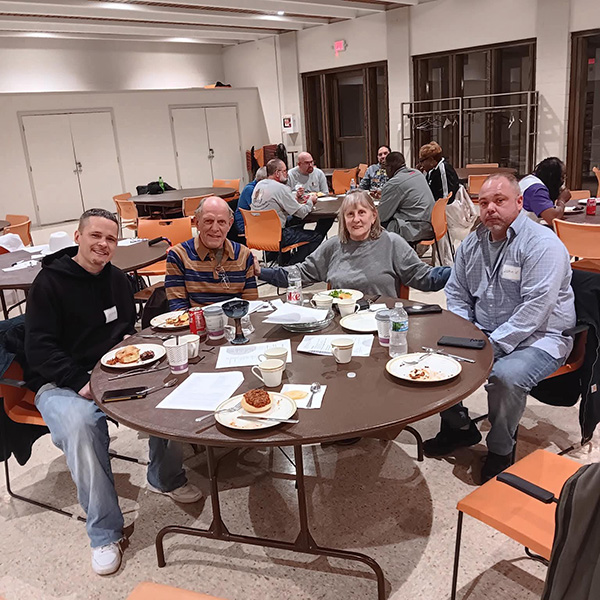
Michael has since reconnected with an old friend who offered him a place to live in his house when he comes home, providing him with fresh hope for building a new life after incarceration.
People who have been incarcerated face challenges both inside and outside of prison. Having a criminal record can make it difficult to get a job, an apartment or even a driver’s license, making reentry difficult even for people who have served their time and are working hard to turn their lives around. According to the Department of Justice, close to 70% of people released from prison will return.
Michael is just one of more than 200 people whose lives have been changed by God’s work through BtCC so far. Rebey also received approval from the facility to take up to five men at a time out into the community once a week for service projects, further preparing them for day-to-day life outside. In addition, the ministry collects furniture and household items for members to furnish their new homes after release and stays connected with them.
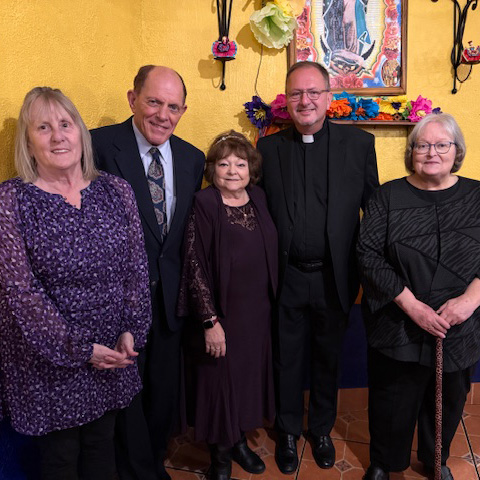
The transfer of one man from Felmers Chaney to Kenosha resulted in BtCC planting another congregation there, sharing God’s love with a new community.
BtCC is one of many nontraditional congregations and worshiping communities that are supported by your regular offerings to your congregation through Mission Support. When you give your offering, most of it stays with your congregation to fund its vital work. A portion becomes Mission Support, given by congregations to their synod. Each synod also gives a portion of this Mission Support to the ELCA churchwide organization to support our shared work across the country and around the world, ministries just like this one.