Logout

Lectionary for Nov. 1, 2026
All Saints Sunday
Revelation 7:9-17; Psalm 34:1-10, 22;
1 John 3:1-3; Matthew 5:1-12
On this All Saints Sunday, we remember all the siblings in the family of God (1 John 3:1-2) who have passed into the church triumphant, especially in the past year. But our remembrance is more than just marking their passing or processing their loss. Instead, we look to the examples of their lives. This week, we reflect on saintly lives that Jesus wants all his followers to emulate.
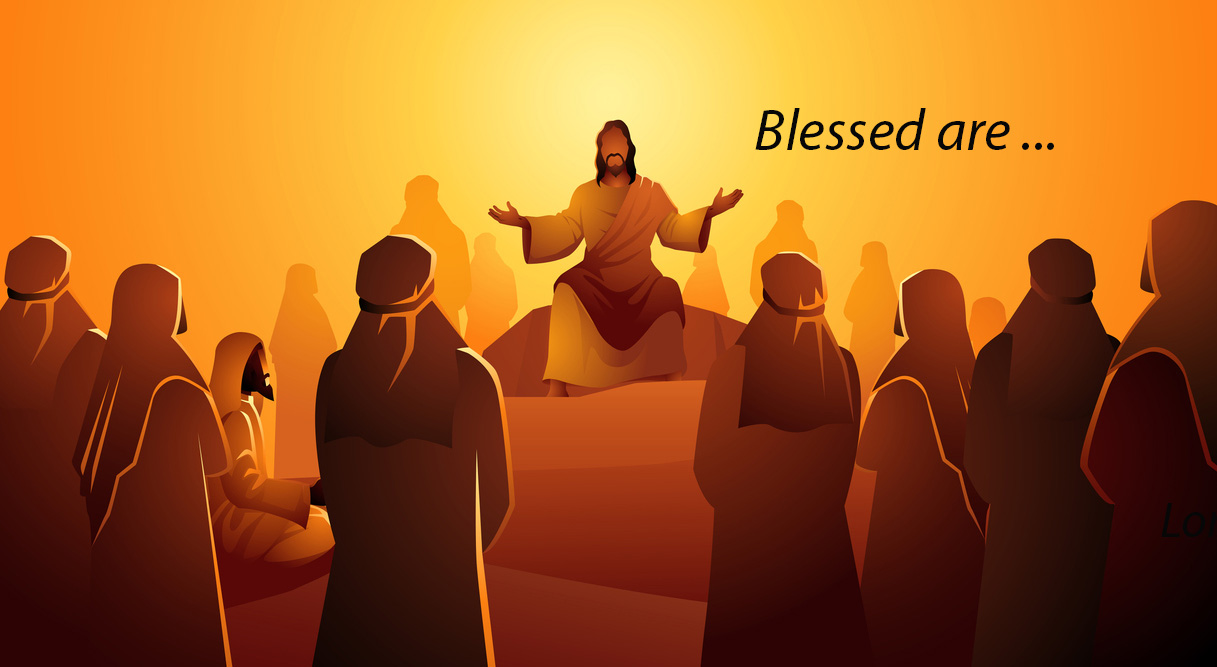
In Jesus’ Sermon on the Mount (he also preached it on the plain, as read in Luke 6:20-49, and probably at most places he went), he described the happy life of sainthood. Jesus began by saying that those who are poor in spirit are happy, because they are part of the kingdom of heaven. The notion of “poorness” here comes from the Greek ptochoi, meaning to crouch down or make oneself lowly, as a beggar might. These folk are spiritually humble citizens of the kingdom, not self-aggrandizing spiritual celebrities.
Those who mourn now, like many of us this week at the passing of loved ones, are happy because we receive the comfort that death is temporary. Resurrection is the promise of Jesus. We don’t mourn as the world does (1 Thessalonians 4:13). Temporary parting is plenty sad, but we know that in Christ, life has the last word.
Happy are the gentle or the meek. While the strong and those who choose violence might think they will inherit the earth, Jesus proclaims this a deceptive lie from the father of lies. It is the gentle who will truly inherit the earth.
Happy are those who hunger and thirst for righteousness. Those who hunger and thirst for acquisition, riches or conquest will never be satisfied. But those who concentrate on pursuing what God wants will find it and be satisfied.
When we think about the lives of saints we have known, we remember what made them special. Jesus describes the lives of saints the same way.
Happy are those who show mercy when someone offends them or owes them a debt. It is they, rather than the folks looking to defend their wealth and status, who will receive mercy from God. In the next chapter, Jesus teaches his disciples to pray that God forgive our debts in the same way that we forgive those who are indebted to us. The mercy we show is the mercy we receive.
Happy are those with clean hearts (katharoi te kardia). Jesus told his followers that coming into God’s presence requires more than a ritual bath. We need hearts cleaned by God’s own work, so that we can behold God (Psalm 24:4).
Happy are those who wage peace. They are God’s children. Jesus’ words are stark here. Those who wage war, killing, stealing and destroying—for any purpose—are children of the evil one. Jesus comes to give an abundant, full life (John 10:10). An essential component of that life is loving humans through peaceful interactions!
Happy are those who are persecuted for the sake of righteousness. Paul assures us that there aren’t laws against kindness, peace, love and goodness (Galatians 5:22-23). Yet, plenty of folks go to jail or have even been killed for standing up for the lives, freedom and safety of foreigners and the “least of these.” Those who are punished for righteousness also belong to the kingdom of heaven.
Finally, Jesus pronounces happiness on those who are persecuted, insulted and lied about because they choose to follow the example of Jesus rather than the ways of the world. The world has never been able to stomach the words and deeds of prophets because they insist on seeing our daily lives from God’s perspective rather than our own. In The Prophets, Rabbi A.J. Heschel underscores why Jesus said the prophets are always persecuted:
“Indeed, the sort of crimes and even the amount of delinquency that fill the prophets of Israel with dismay do not go beyond that which we regard as normal, as typical ingredients of social dynamics. To us a single act of injustice—cheating in business, exploitation of the poor—is slight; to the prophets, a disaster. To us injustice is injurious to the welfare of the people; to the prophets it is a deathblow to existence .…”
When we think about the lives of saints we have known, we remember what made them special. Jesus describes the lives of saints the same way. They don’t conform to the patterns of the world. Instead, they are deeply strange. In a time of fear, conquest and mistrust, they wage humble peace. They practice gentleness and mercy. They look for righteousness. And, of course, they are lied about and persecuted. Kindness and neighbor love are a threat to violent empire. Every saint knows that!