 Logout
Lectionary for Feb. 15, 2026
Transfiguration of Our Lord
Last Sunday after Epiphany
Exodus 24:12-18; Psalm 2;
2 Peter 1:16-21; Matthew 17:1-9
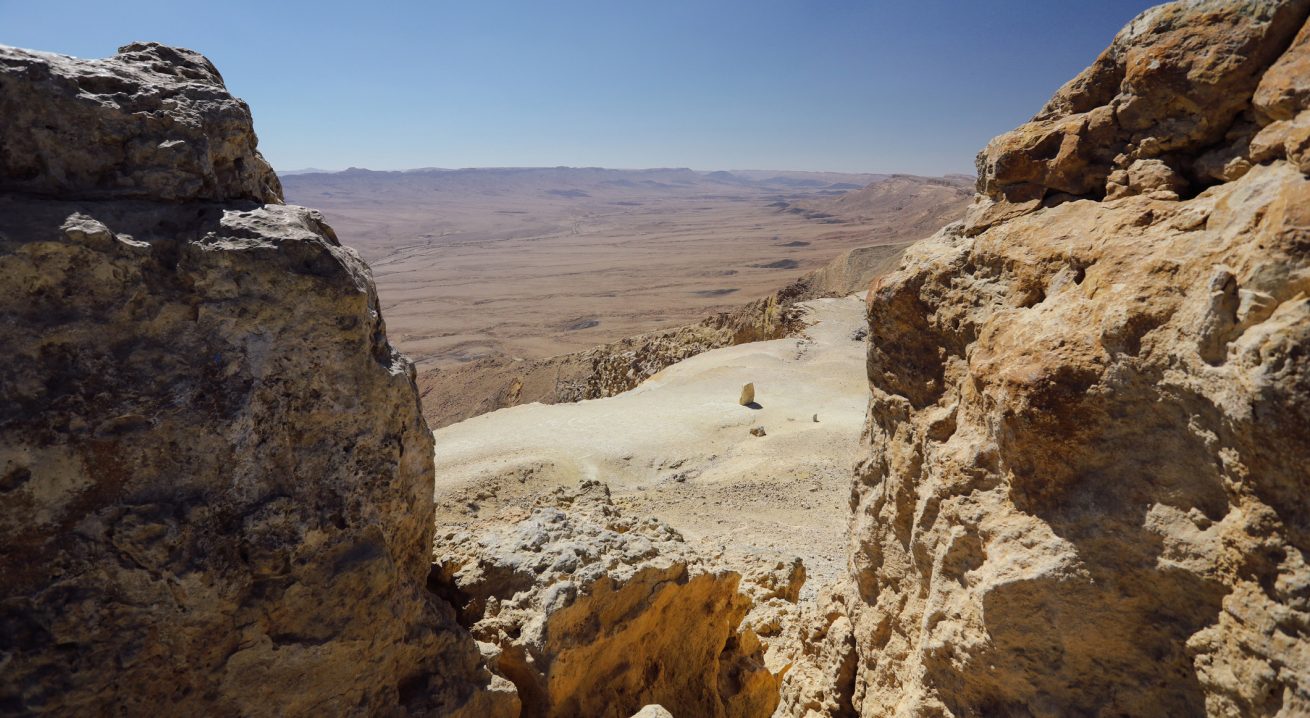
When I was a teenager, I went to a lot of Christian conferences where I encountered many “mountaintop experiences.” After a particularly meaningful stadium worship, I wondered how I was going to preserve that feeling among the valleys to come. “How am I going to keep this intimacy with God at school on Monday?” I didn’t have an answer then and don’t now. What I do know, is that the God who is visible on the mountaintops is a faithful companion in the valleys. The lectionary passages this week speak of (at least) three different mountaintops and the valleys just after.
I love Exodus 24 because it’s one of many explicit depictions in the Bible of people seeing and encountering God. Just before the lectionary reading picks up, Moses, Aaron and his sons, and the 70 elders had a divine picnic. They ascended the mountain, saw God (!!!), and ate and drank with God. The text is explicit in repeating that these folks saw God and weren’t harmed (9-11).
As if that weren’t enough, God called Moses and Joshua to even further intimacy. Aaron and Hur (relative of Caleb and Bezalel, the maker of the tabernacle) were dispatched to shepherd the people. Meanwhile, Moses and Joshua ascended into the cloud of God’s glory. Again, all the people—the Israelites and the great mixed multitude with them (Exodus 12:38)—saw God’s glory on top of the mountain. This is truly a mountaintop experience!
But remember the valley. While Moses and Joshua basked in divine light, the people went wild. Aaron made a golden calf for them to worship. Rabbinic tradition says that Hur tried to stop this idolatry, but the unruly crowd murdered him, intimidating Aaron into complying with their demands (BT Sahedrin 9a).
Not included in the lectionary readings, but certainly referenced in the Gospel, is the account of Elijah on a mountaintop. Elijah fled from Ahab and Jezebel. The prophet sought to die because of his loneliness and despair at the people’s idolatry. Instead of letting Elijah die, God called him to the top of Mount Horeb. Elijah went but received no comfort before or after hearing a “still, small voice.” After his mountaintop experience, he went down and pointedly refused to anoint any of the three people God had commanded him to raise up as successors. Talk about a valley!
Mountaintops offer important insight and glorious encouragement. We must remember, though, that they also provide guidance and preparation for the difficult valleys that are sure to follow.
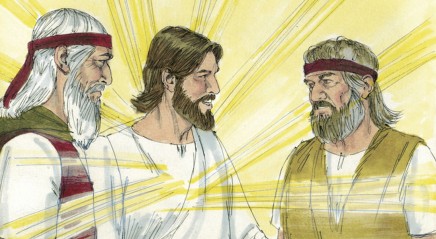
And then, on another mountain, Matthew’s Gospel tells us that Jesus ascended with Peter, James and John. On the mountaintop, Jesus was transfigured such that his face shone like the sun. Moses and Elijah spoke with him, and God announced, “This is my beloved Son, with whom I am well pleased. Listen to him!”
Peter was caught up in the mountaintop moment and wanted to build tents and stay there. That is so relatable. Of course he wanted to stay in that moment! Me, too, Peter. But Jesus didn’t just come for the mountaintops but for the valleys as well. Not so long after the mountain, Jesus descended into the valley of Gethsemane. There he begged God to change how he could rescue God’s beloved children imprisoned in sin. And even through the prayers and sweat, Jesus knew that it was worthwhile to continue talking with God in the valley.
What does this all mean? Simply this: We experience mountaintop moments with God every now and again. We also experience crushing valleys of loss, frustration, stupidity, idolatry and violence. The transfiguration moments, the moments of clarity where we see God with our own eyes, are delightful. These moments tell us something important about who God is. But when we learn something, perhaps even something uncomfortable, about who we are in the valleys, God is there too. God is faithfully calling us to a better way.
On the mountain, Jesus was transfigured, to be sure. But a shiny face, at least in my Christology, will never be able to compare with a sweat-drenched face that struggles to be faithful to God and gracious to humans. Moses communing with God and the priests and elders doesn’t compare with him faithfully journeying with the wilderness generation for 40 years. God’s still, small voice that Elijah heard must be understood in conversation with the flames on Mount Carmel and the chariots of fire in the Jordan Valley. Mountaintops offer important insight and glorious encouragement. We must remember, though, that they also provide guidance and preparation for the difficult valleys that are sure to follow.