
 Logout
Lectionary for Feb 8, 2026
Fifth Sunday after Epiphany
Isaiah 58:1-9a; Psalm 112:1-9;
1 Corinthians 2:1-12; Matthew 5:13-20
I don’t know about y’all, but the start of 2026 has been a bit rough for me. I’ve needed Jesus to show me several times a day where to channel righteous anger so that I don’t burn out or, worse yet, return evil for evil. Injustice must be countered, publicly, by those who follow the Risen Messiah. And it must be countered in the ways of the Risen Messiah, with a commitment to waging peace, loving enemies and doing good to those who hate. This week, the lectionary texts are specific about what resisting injustice in the way of God looks like.
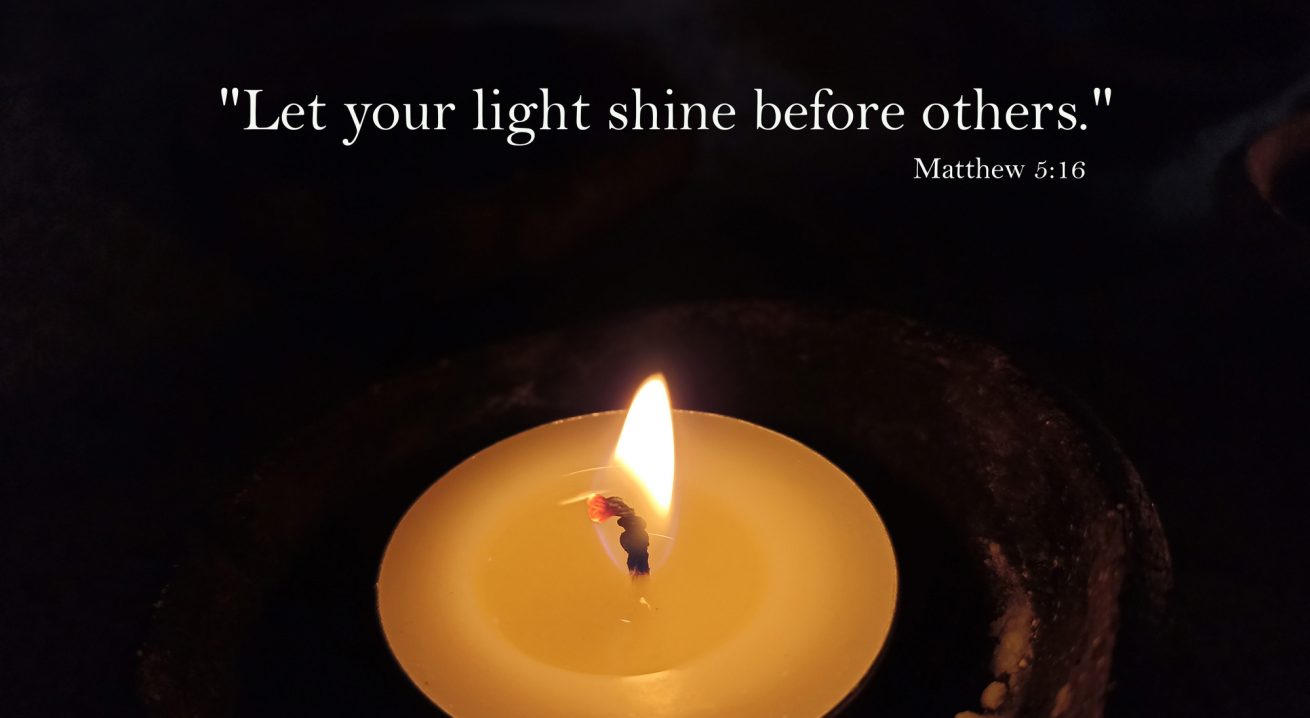
In the basic stump speech that he delivered repeatedly, here on mountains and elsewhere on the plains (Luke 6), Jesus commands his followers to be noticeable. Salt in a recipe cannot hide. You know if salt is there and if it isn’t. A lit-up city on a hill cannot hide. We are to be doing good works, publicly, so others will see them and glorify the Heavenly Father (Matthew 5:16). Obviously, the pendulum can swing too far, with some folks performing good works for their own glory. Jesus addresses that elsewhere. The concern here is folks who believe the right thing but do nothing about it in view of the public.
Jesus goes further yet, saying that he didn’t come to abolish the Law or the Prophets. Indeed, if earth and heaven are still around, Jesus says not one letter shall pass from the law (Matthew 5:18). Earth still stands and, in this time of violence and chaos, not everything is yet accomplished.
As a parenthetical thought, let me say that non-Jews need to approach Jesus’ conversations with humility. It’s not all about us. The commandments (even the 10) were given to those whose souls were at Sinai. Paul argues in Galatians 3 that gentiles were never meant to be “under the law.” Jesus works salvation and unity for Jews and gentiles, not by applying law to gentiles but by rescuing everyone who is under sin (3:22). Different Christians will have different ideas about which laws to keep: Jesus’ two (Deuteronomy 6:5 and Leviticus 19:18); some version of 10 from Exodus 20; maybe more or fewer of the 613 in total. The key thing is to approach these texts with open eyes, thoughtful brains and humble hearts.
What is in these laws and prophets that Jesus says shall not pass away? Well, for starters, Deuteronomy 6:5 says to love the Lord your God will all your heart soul and strength. Leviticus 19:18 says to love your neighbor as yourself. Leviticus 19:33 says when a foreigner lives with you in your land, you shall not oppress him. Deuteronomy 10:19 says to love the foreigner. The previous verse (18) specifies that God shows love to foreigners by giving them food and clothing. This should sound familiar. Jesus will say that when he judges the living and the dead, the nations will be judged on whether they fed the hungry, clothed the naked, welcomed the foreigner, visited the sick and the prisoner (Matthew 25:31-45).
The good news of the kingdom of heaven is too good to contain in our church buildings.
In this week’s reading from Isaiah, God-through-the-prophet inveighs against people who make signs of fasting while oppressing workers and practicing violence (58:3-4). Instead, God wants public action. Release bonds of wickedness. Undo ropes that bind. Let the oppressed go free. And break every yoke. That sure sounds like prison abolition to me!
Isaiah goes on in verse 7 to say that God wants people to actually share meals, not just charity, with the hungry. Bring homeless people into our homes. Clothe the naked. Do not hide yourself from your own flesh and blood (which is everyone—Ephesians 2:14). These are the demands of the law and the prophets that Jesus won’t let rest or pass away. Feed the hungry. Clothe the naked (and advocate for the overhaul of unjust economic systems that create poverty and inequity while you’re at it). Welcome the foreigner (and oppose additional funding for Immigration and Customs Enforcement and other immigration enforcement while you’re at it). Visit the sick. Visit the prisoner (and demolish the prison, while you’re at it). Take care of widows, orphans and foreigners.
And, for heaven’s sake, do the work that Jesus, the Law and the Prophets demand publicly. Make sure that people see that we are God’s hands and feet in this world. We do this not just by working inside our church buildings (though that is vitally important) but also by going into other buildings—jails, hospitals, courthouses, legislatures, collections agencies, bail bonds agencies—and being the hands and feet of Jesus there too. The good news of the kingdom of heaven is too good to contain in our church buildings. The love of Jesus, overflowing out of those who follow him, must be good news to the foreigner, poor, sick and incarcerated.