 Logout
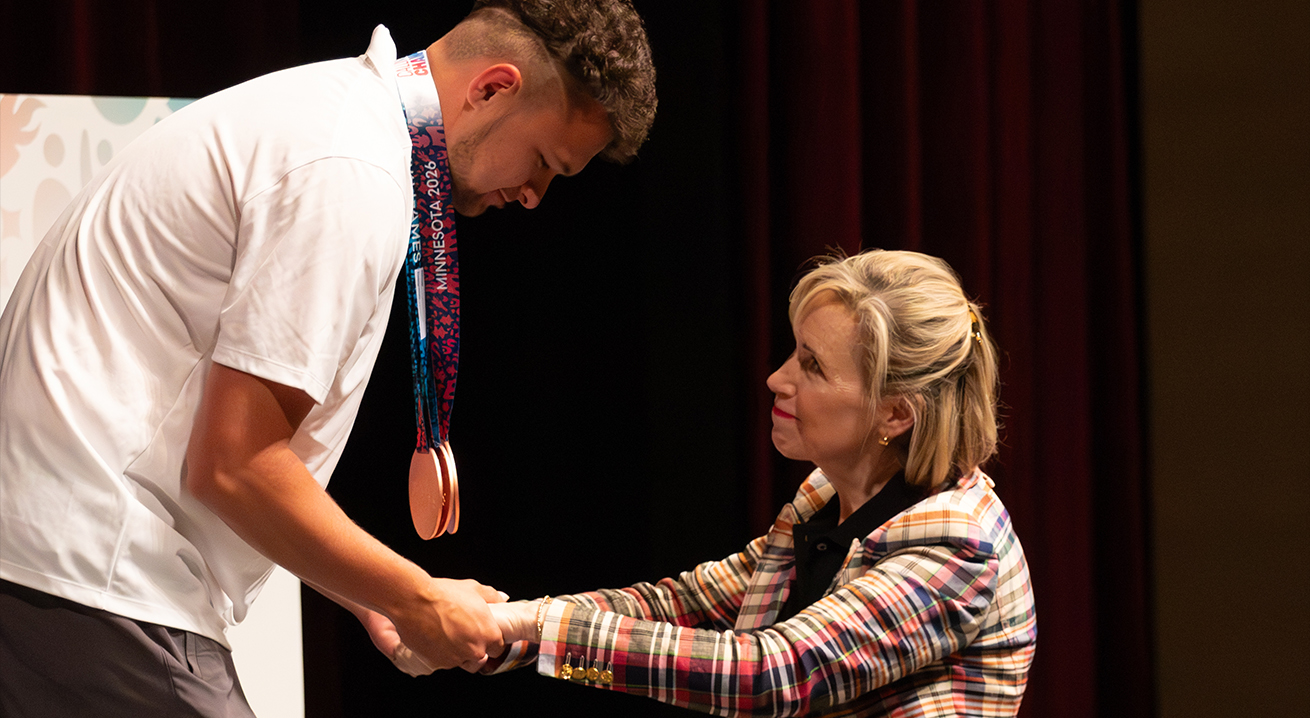

Four years ago, when Minnesota won the bid to host the 2026 Special Olympics USA Games, Gwen Walz was confident her state was a good fit for the event. “Inclusion, community and determination—these are the values that define our state and shine through every time Special Olympic athletes compete,” she said in a Team Minnesota video announcing the games.
Walz, the first lady of Minnesota and an ELCA member, was then asked about whether she would consider serving on the 2026 USA Games board. “I didn’t hesitate for one moment,” she said.
“A lot of people say it’s a highlight of their life to participate in the Special Olympics,” she continued. “So obviously, there’s transformation there. But what we said as the board is, ‘Is there an opportunity for we, too, for Minnesota, to be transformed, to be better, to also be changed by the experience?’”
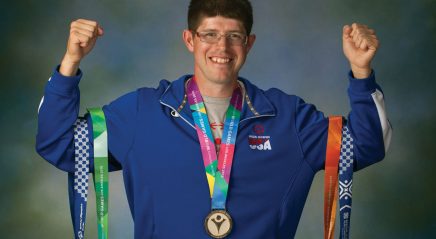
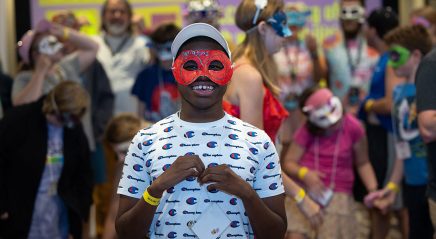
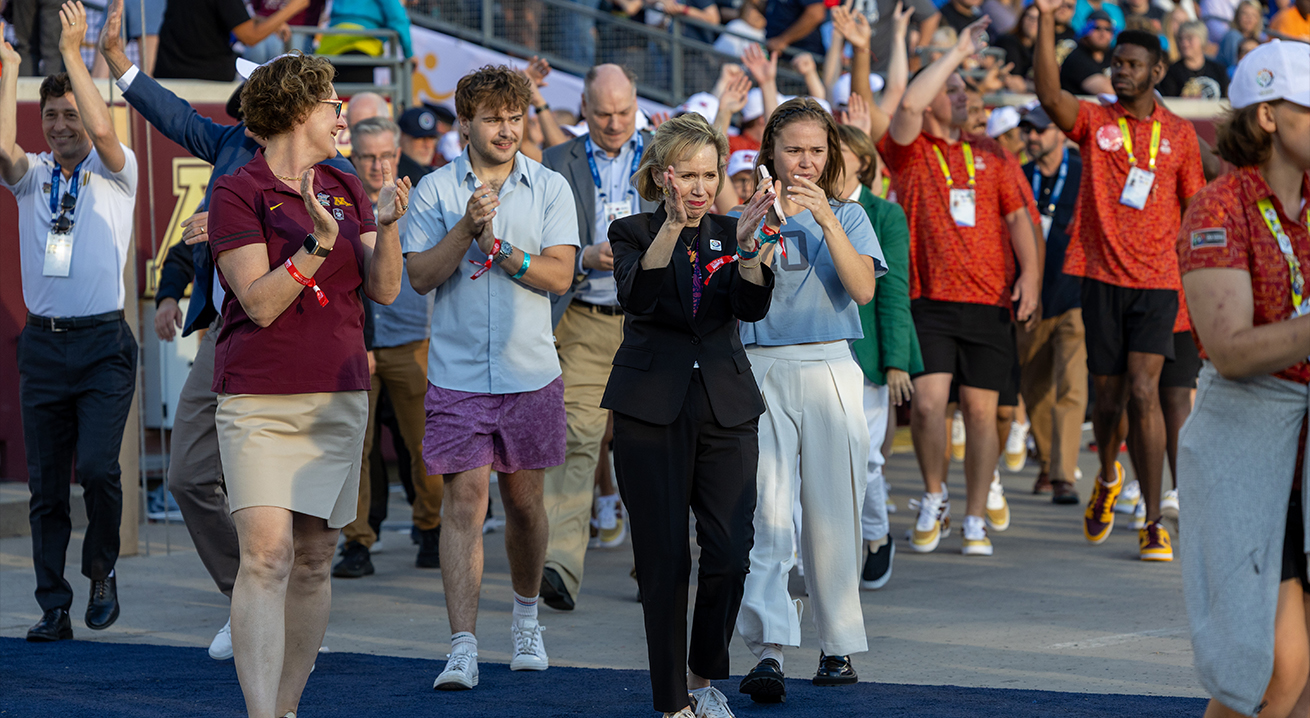
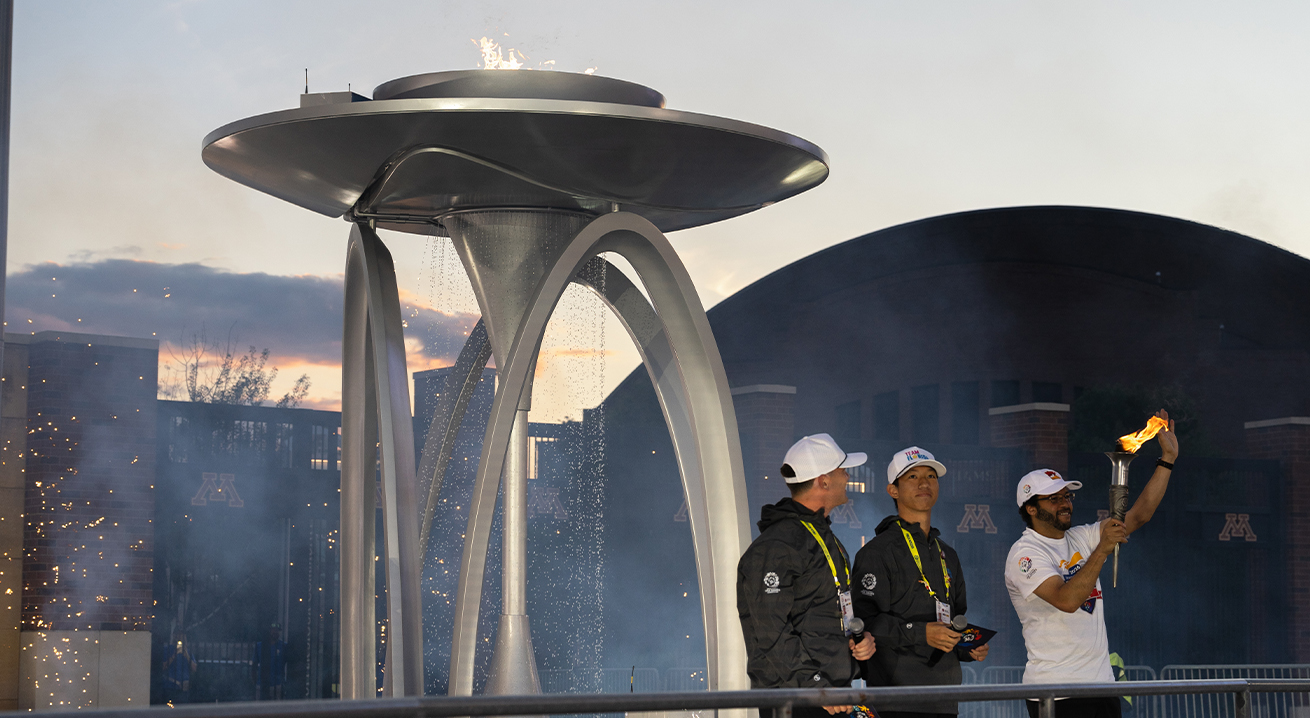
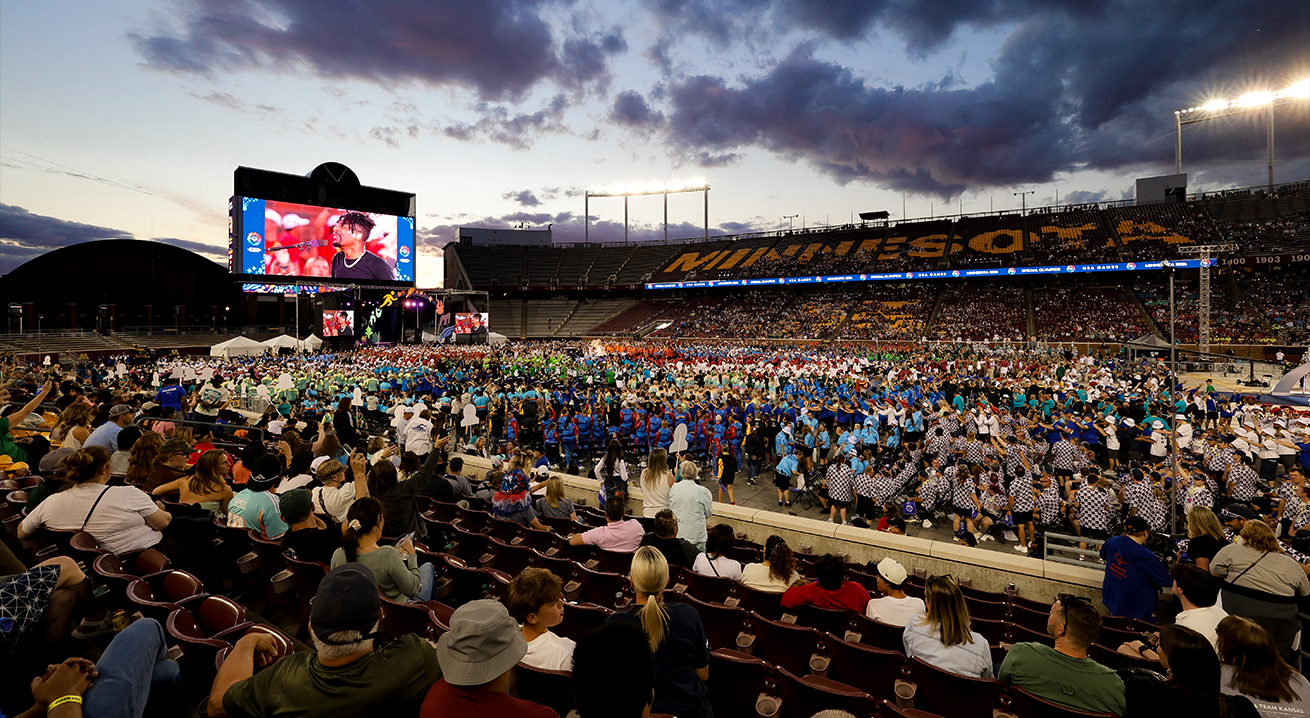
This week, more than 3,000 athletes representing all 50 states are competing across the Twin Cities area in 16 Olympic-type team and individual sports. The games’ opening ceremony was held June 20 at the University of Minnesota’s Huntington Bank Stadium. The games will continue through June 26.
In addition to the university, competitions are being held at the National Sports Center in Blaine, with special event programming at Allianz Field in St. Paul and the Mall of America in Bloomington. The sports pickleball and cornhole are making their USA Games debut this year.
The games offer “the opportunity, especially at this moment, to celebrate our differences and to be encouraged by the strength of competition,” Walz said. “And yes, everyone’s going to compete hard for that medal. But what’s more important is competing in a brave, courageous way. … I feel like this is a perfect alignment of what we’re seeing in Minnesota and what we see in the Special Olympics.”
A holistic approach
This year’s games will see the launch or enhancement of several initiatives. “We have thought in a very Minnesota way about how we want to do these games,” Walz said. “We’ve taken this holistic approach to the Special Olympics. … We are going into many different areas, and Minnesota has the resources and the expertise to support many of those conversations and many of those opportunities.”
The Healthy Athletes program is offering health screening stations and free services to all participating athletes. “We know people with intellectual disabilities have a much lower rate of having doctor exams, eye exams, hearing exams,” Walz said. The initiative strives to ensure the holistic well-being of Special Olympics athletes, promoting a healthy and active lifestyle. Games officials anticipate 10,000 free health screenings to be administered this week.
“We’re also premiering an app that is built specifically for the Special Olympic Games that hopefully will continue on, and hopefully makes things more accessible for people,” she said. The new Champions App aims to be a one-stop resource for everything related to the 2026 Games.
“And we are premiering an economic summit where we are doing some storytelling, some training and even a job fair, because we know people with intellectual disabilities are unemployed,” Walz said.
The Unified Work Summit will address the statistic that, according to the Special Olympics, only 18.5% of people in the intellectual disabilities community are employed to the level of their abilities. “And yet, what they bring to our workplace, what they bring to our state, what they bring to our lives … makes us much more of a whole,” Walz said.
Walz finds her participation in the games particularly meaningful at a time when she feels division and disrespect are dominant. “I’m so proud of the board,” she said. “I’m so proud of the Minnesotans who have stepped up and signed up and come forward and are showing up to the games. … And at this moment, when people are sometimes ridiculed or called names or demeaned in some way, I think we are doing exactly the opposite. We are celebrating.”
A common purpose
Since their inception, Special Olympics programs have focused on community engagement and social participation, among those with disabilities and those without. The organization describes its goal as being “to build a more civil society one athlete and one attitude at a time—creating a world of inclusion and mutual respect.”
The fact that this year’s games are being held near the United States’ semiquincentennial—the commemoration of the 250th anniversary of signing of the Declaration of Independence—isn’t lost on Walz.
“We have to rebuild community,” she said of this time in the nation’s history. “We have to rebuild dialogue. And we have to rebuild the way we speak to one another, literally. I’ve always found that things like athletics … can be a way to do that.
“We have an intrinsic belief in the value of others and the sacredness of human life, and also that God made you just as he intended you to be.”
“Civic engagement can do that because there’s a common purpose and a goal, and what we talk about are our values, not necessarily policies we disagree on. If we can start with some of those common goals, we all want that.”
Walz’s faith is a primary driver in her own civic engagement. She encourages Lutherans and other people of faith to let their beliefs motivate their civil participation, particularly as a way of countering political division.
“We have an intrinsic belief in the value of others and the sacredness of human life, and also that God made you just as he intended you to be,” she said. “And how that appears in your community, in your activities, in your world, should be embraced. We embrace everyone, and we think of everyone as a child of God.
“People of faith know these things and live these things. So, they have to show up in every way and every form, because that has to be the overwhelming idea.”