 Logout

Editor’s note: Today, on World Food Day, people around the world join in raising awareness of hunger and taking collective action to end it for good. This year’s World Food Day theme—“Innovate today. Nourish tomorrow.”—highlights how to combine traditional knowledge on hunger with forward-thinking solutions to ensure that everyone has access to nutritious food. Your congregation or community is invited to join ELCA World Hunger in taking action. Set a goal to raise money for an ELCA Good Gifts bundle or use ELCA World Hunger resources to learn more about global hunger and inspire innovative projects in your community. Learn more.
“We should start a garden.”
Pat Harper remembers saying these fateful words to her pastor 17 years ago. She had just moved back to the South Side of Chicago, where she had grown up. For over 35 years, Harper had lived in Evanston, a suburb just north of the city. But when she retired, she said, “my calling was to go back to the neighborhood I knew.” After Harper relocated, she got involved at St. Stephen Evangelical Lutheran Church, an ELCA African-descent community in the Chicago’s Chatham neighborhood.
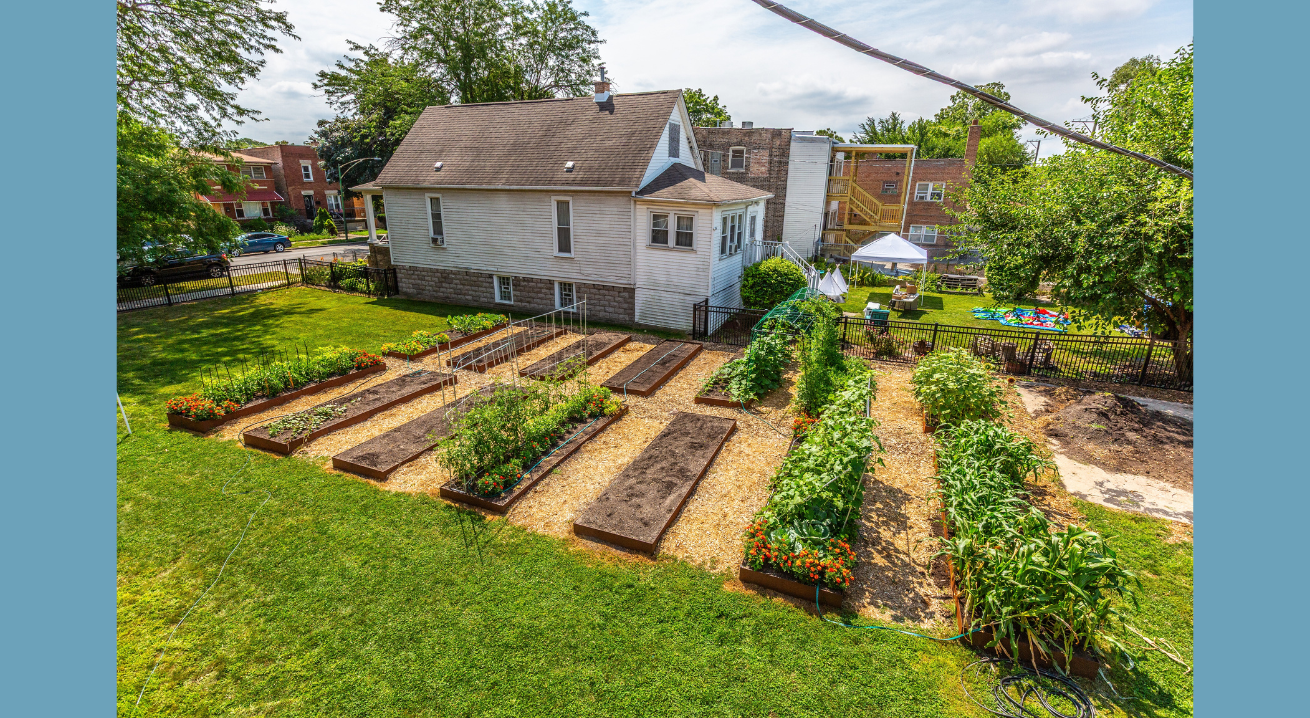
Though Harper had gardened in her own backyard before, she didn’t have any formal agricultural training. She had spent her professional career in healthcare. Still, when she saw the big plot of land outside St. Stephen, she was inspired. It was clear to her that the land should be filled with produce for the community. Her pastor agreed, and their garden ministry has not stopped growing since then.
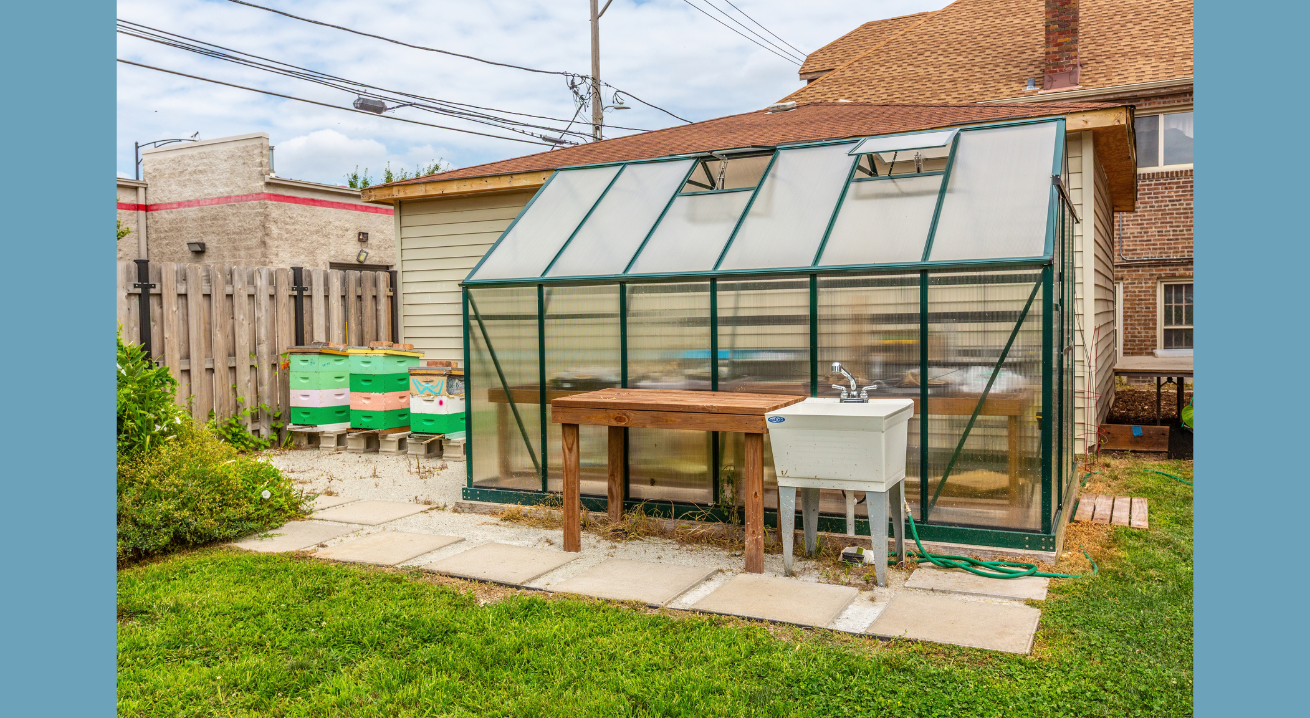
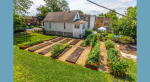
These days, the St. Stephen’s garden includes 1,000 feet of growing space as well as a butterfly garden, handwashing stations, running water and electricity. A few years ago, St. Stephen partnered with ELCA World Hunger, jump-starting several long-term improvement projects to make the garden more sustainable. The St. Stephen community built a new fence, a greenhouse to extend the growing season, a new beehive area and custom steel planting beds. The partnership also helped provide stipends for teens, new citizens and others to work in the garden, helping people get started in the workforce or get back on their feet after a setback.
As the garden helps feed individuals, it nourishes the community in other ways too. It’s been “amazing” to connect with her neighbors through the ministry, Harper said. She remembers one of her older neighbors saying that they never used to leave the house but that after the garden was planted, they began walking by the church all the time just to watch the garden grow. It also draws community members for cooking, nutrition classes and produce giveaways.
According to Harper, people often tell her that the garden is so nice, it looks as if it should be on the North Side of the city, in a wealthier neighborhood. “No,” she tells them, “we should all have this. It should be on every side.”
The ministry keeps getting bigger—one project leads to a new partnership that leads to more projects. Harper doesn’t think she could stop the momentum if she tried. “That’s how nature is,” she said, “It just keeps coming at you.”
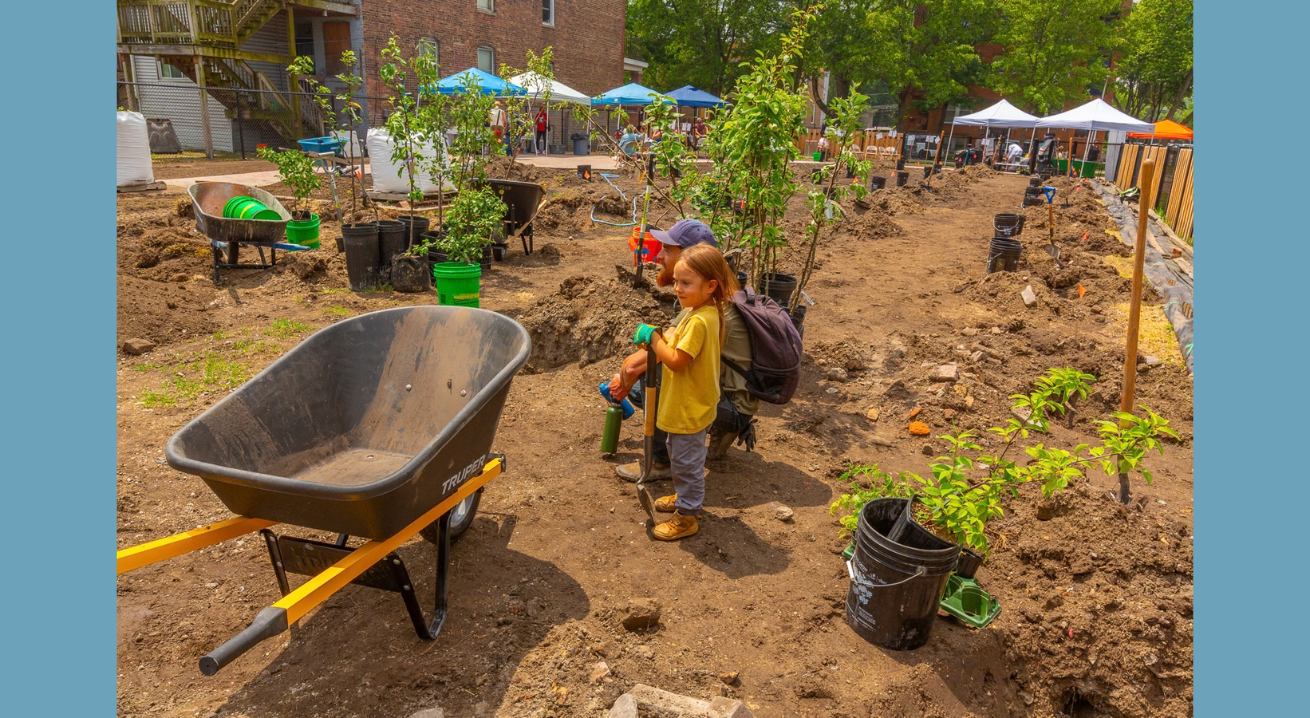
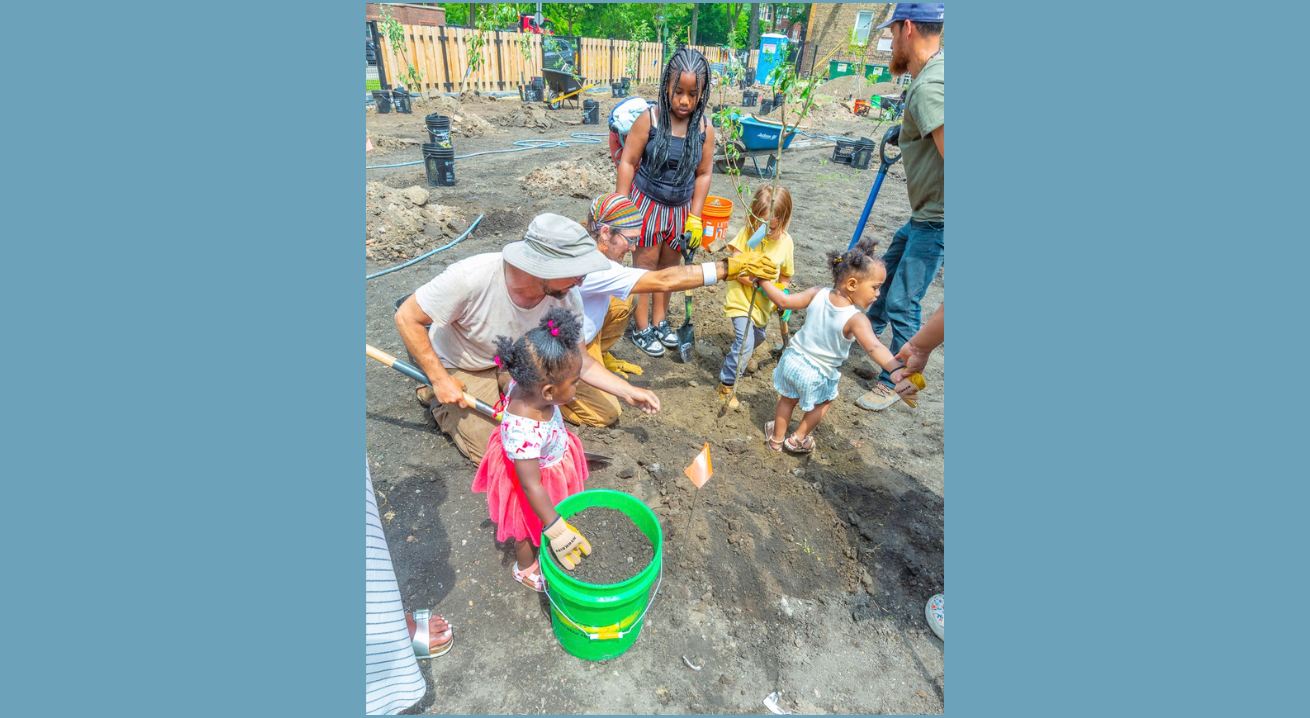
Now Harper and her ministry colleagues are looking for ways to make the garden sustainable for the next 15, 20 or 30 years. They are partnering with a local organization and other nearby African-descent ministries to plant an orchard. They hope the orchard will eventually have a farm stand, a children’s play area and maybe a commercial kitchen—but they’ll start by planting 25 trees that will bear peaches, cherries and plums for generations to come.
“[God] is working on us and through us to serve people that don’t have access to healthy, nutritional food,” Harper said. But “it’s not only the food itself” that’s making a difference to the community, she added. St. Stephen’s partnership with ELCA World Hunger is helping to grow food, build relationships and share hope.
This story is shared with permission from the Fall 2026 issue of LifeLines, the biannual publication of ELCA World Hunger and Lutheran Disaster Response. To read the issue in its entirety, visit the ELCA Resource Library.