
 Logout



In January 2025, Los Angeles County experienced one of the most destructive wildfire events in California history. The fast-moving blazes of the Eaton Fire destroyed more than 16,000 structures and claimed at least 29 lives. Their rapid spread was fueled by prolonged drought, extreme heat and strong Santa Ana winds.
Thousands of residents were displaced, and critical infrastructure sustained widespread damage. In the aftermath of the wildfire, Lutheran Disaster Response (LDR) heard from local partners and synod staff, who identified the need for a full-time disaster relief coordinator to walk alongside the communities affected. Through LDR funding, Victoria Villa joined the Southwest California Synod as the coordinator in May 2025.
Some outside the area assumed that the people hit hardest by the fires were wealthy individuals who had already recovered. In fact, Villa said, not only have low-income families been greatly impacted but long-term needs in Altadena, Pasadena and the surrounding foothills are tremendous.
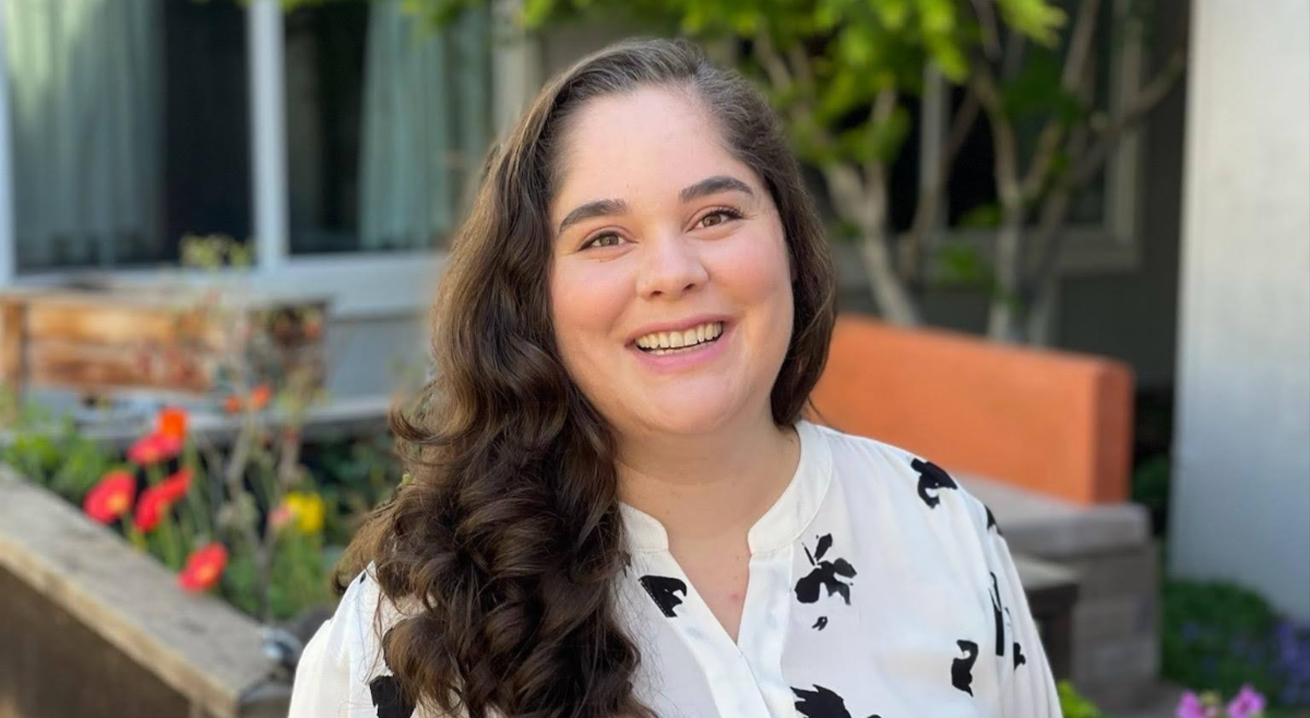
Through LDR funding, Victoria Villa joined the Southwest California Synod as disaster relief coordinator last May.
“Regardless of income or what support you have, losing everything is painful, devastating and traumatic,” Villa said. “You might have had a well-paying job and lost it because the business burned down. The fire can impact people in many ways. People feel it differently, but it’s felt, regardless of income level.”
Disaster coordinators such as Villa help individuals navigate barriers to aid, train congregations in disaster preparedness, provide funds for critical resources, identify ongoing needs, bridge gaps between partners and encourage the community not only to grieve but to find hope together.
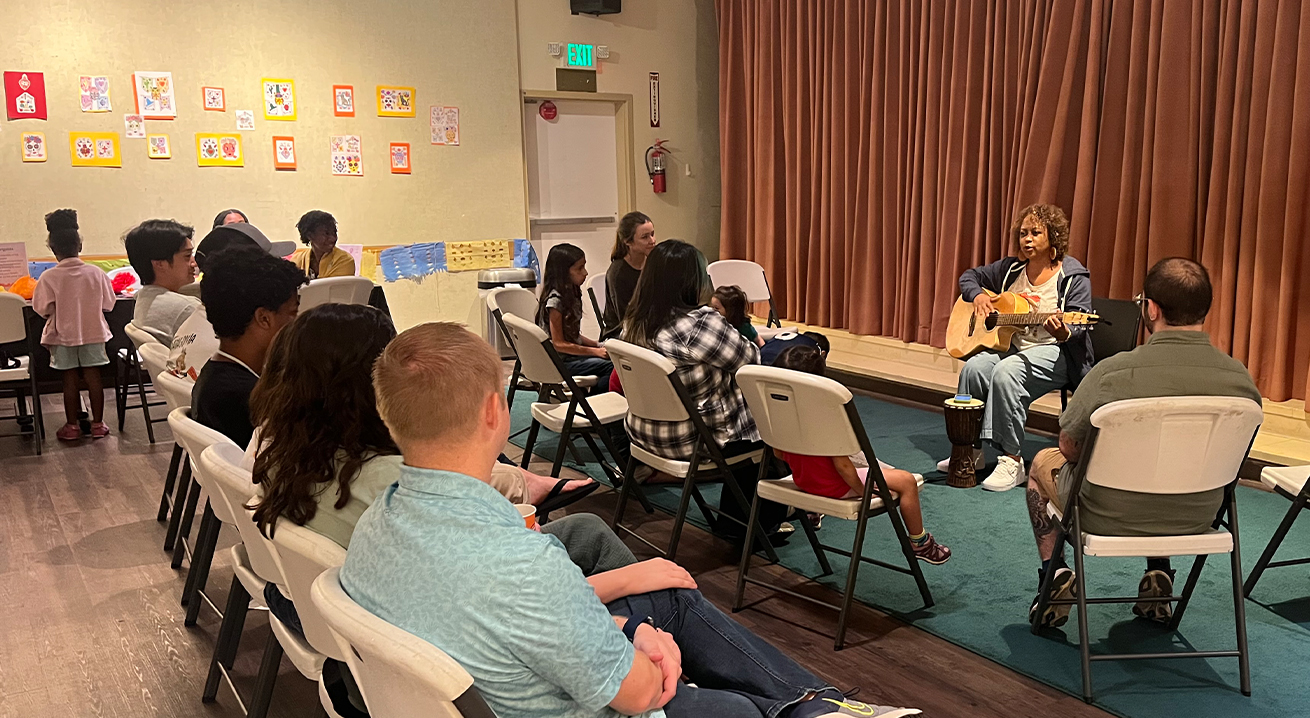
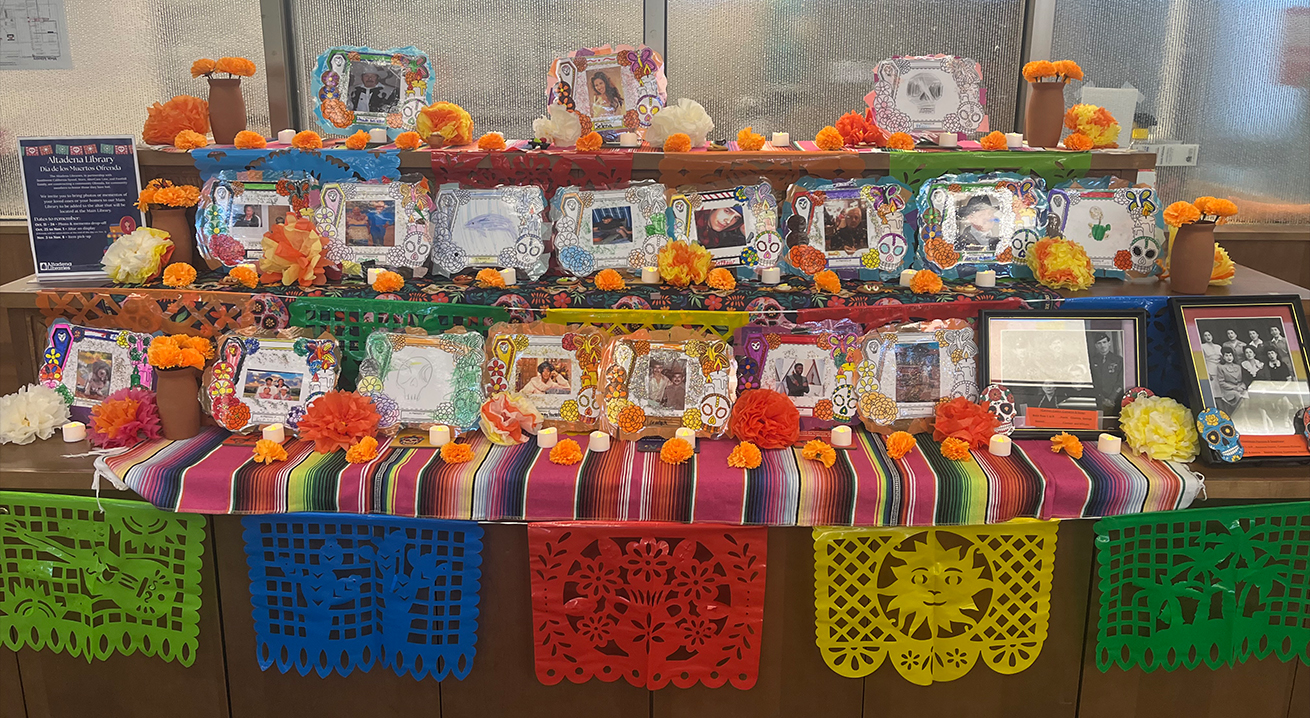
Last fall, Villa led a Day of the Dead event so community members could both celebrate their loved ones and hold space for the significant losses experienced in the wake of the fires. In an area that is predominately Latiné, this was a culturally relevant way to serve the community and build relational trust. Other events have included a virtual town hall, trauma-informed care workshops for clergy and other leaders in the area, and an emergency preparedness event with free first-aid kits.
“We make room for grief and hope to live alongside each other,” Villa said. “Because that’s what happens when you experience loss—you have conflicting emotions. There’s joy for all the memories and grief for what’s no longer there.”
A lifeline for residents
In the heart of Pasadena, Trinity Lutheran Church has become more than a place of worship—it’s a lifeline for residents facing hunger, homelessness and hardship. Led by its pastor, Sharon Richter, Trinity opens its doors to the city’s most vulnerable neighbors.
As the host site of Pasadena’s Bad Weather Shelter, Trinity provides overnight housing and essential services to individuals experiencing homelessness. The shelter opens on nights when the weather meets specific danger thresholds—when temperatures fall below 40 degrees, when the chance of rain is 40% or greater, or when winds exceed 40 mph. Guests are welcomed in the evening and receive a hot meal, cot, restroom access and individualized assistance from trained staff and case managers who can connect them with housing, employment and other essential services. For many, it’s the difference between safety and exposure during the harshest winter nights.
Through the Trinity Safe Parking program, registered individuals living in their vehicles have a secure place to park overnight, with access to fresh water, bathrooms and electrical charging. Showers and laundry facilities are being renovated for guest use.
As a member of the Los Angeles Regional Food Bank, Trinity also distributes groceries, fresh produce and pantry staples every week to households in Pasadena and Altadena. For families and individuals struggling to make ends meet, these food distributions help bridge gaps and sustain the community.
As the region recovered from the Eaton Fire, need for both shelter and food services increased sharply. The wildfire displaced residents and strained local support networks, which intensified the pressure on Trinity’s shelter and food pantry.
LDR helped ensure that Trinity could meet this new demand by supplying a heating unit, critical to keeping the shelter safe and operational during winter months. Through LDR, Trinity also replaced two commercial freezer units to maintain the pantry’s capacity for fresh and frozen goods and pass standards required by the food bank. Additionally, LDR has covered food bank fees to expand items available in the pantry—including diapers, formula and pet food—and funded a part-time staff member to offset the increased need and relieve the overstretched volunteer base.
Unwavering commitment
Altadena Meals on Wheels (AMOW) has been a quiet lifeline in the foothill community for more than 50 years. Founded in 1973, the volunteer-run nonprofit delivers fresh, home-cooked meals to homebound seniors across Altadena—residents who can no longer shop, cook or safely leave their homes. Many live alone and, for some, the visit from an AMOW volunteer is the only human contact they have all day. The organization receives no federal funding, operating instead through local donations, volunteer efforts and partnerships that have sustained it for decades. In a community where nearly 1 in 5 residents is over 65, it fills a crucial gap in care.
When the Eaton Fire swept through the San Gabriel foothills, the blaze displaced thousands and halted AMOW’s operations. Of its 45 active volunteers and board members, 38 lost their homes. Its usual base of operations burned to the ground, forcing the nonprofit to suspend deliveries. For five months, seniors who relied on its daily meals were left without that essential service.
Despite these losses, AMOW’s commitment to its community never wavered. In June 2025, with support from LDR and Christ the Shepherd Lutheran Church in Altadena, the organization resumed service. Christ the Shepherd offered its kitchen as a temporary headquarters where meals could be prepared, and a $50,000 grant from LDR funded meals for every participating household for the next year, including special holiday dinners. Equipped with the funds and space to operate, a smaller but determined group of volunteers began delivering again to 15 homes last summer. They hope to grow their delivery to 50 households.
Shelley Mitchell, a real estate agent in Altadena, has delivered meals every day for nearly 10 years and serves as a board member for the nonprofit. She, too, lost her home in the fires. Now she commutes from Sierra Madre every day to deliver meals to AMOW clients. She says it can be hard to see the destruction in her community—she gets lost in areas where she grew up because familiar landmarks are no longer standing. But she refuses to give up on the people who rely on both the meals and the human connection.
“The folks who we serve depend on us,” she said. “Sometimes we’re the only faces that they’re seeing.”