 Logout




In an area that some say hasn’t always been welcoming to all, an immigrant pastor’s mission with the Arkansas-Oklahoma Synod’s only Latino congregation is making important inroads in bringing people together. The key tools in this effort have come from a country 5,000 miles to the south.
Alvaro Nova grew up in Bucaramanga, Colombia, acutely aware of how his widowed mother struggled to put food on the table for their family of six. From a young age, he knew that his calling was to work for social justice in impoverished communities like his own—a conviction rooted in the Gospels. He became a full-time volunteer, working with a priest who founded a shelter for homeless children living on the streets.
Twenty years later, he is a Lutheran minister serving Comunidad de Esperanza, which he calls the only Lutheran space in Tulsa, Okla., “where Latinos feel truly free to celebrate their faith together.” Comunidad de Esperanza shares a building with a mostly European-descent congregation, Fellowship Lutheran. “We share not only the physical space but also faith,” Nova said. “It has been a marvelous experience seeing trust in one another grow.”
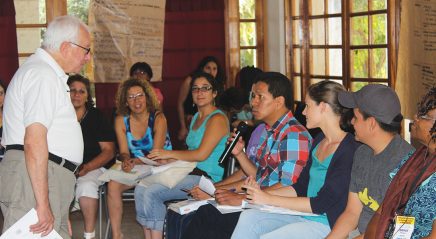
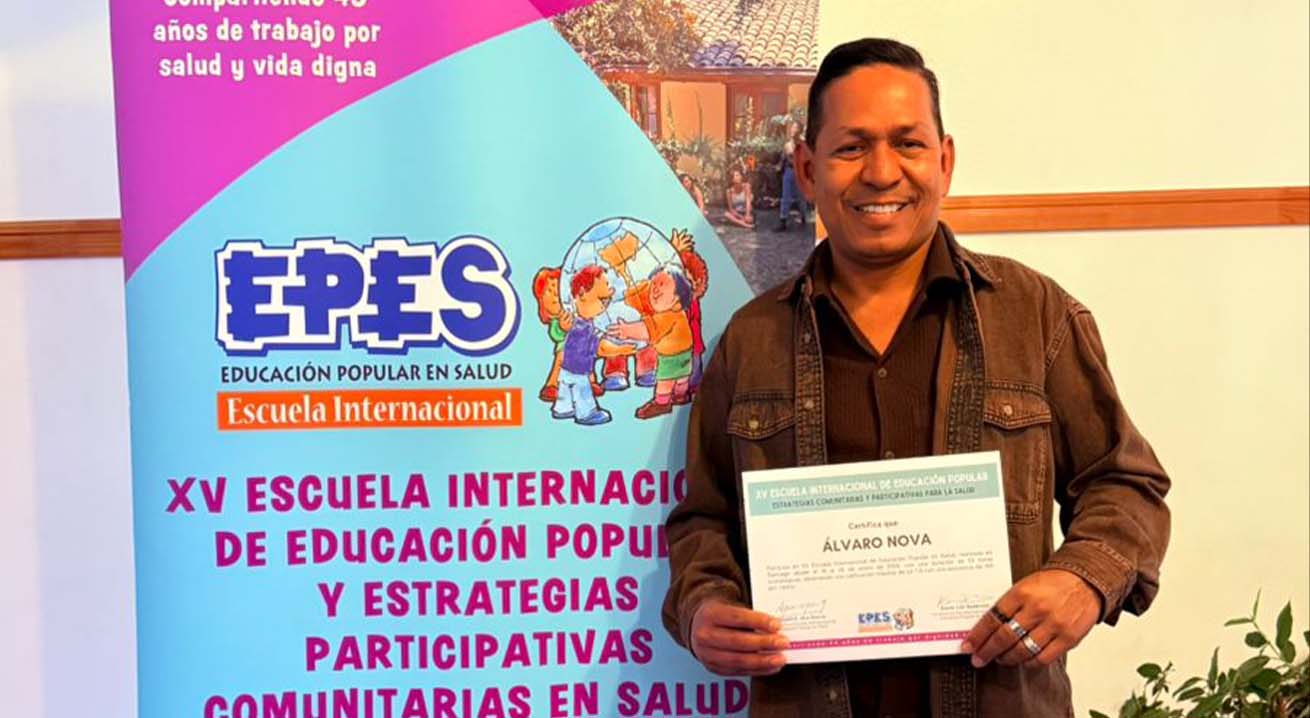
Earlier in this ministry he had a nagging feeling that much more could be done—even if he wasn’t sure how to go about it. The answer came nine years ago in the form of an ELCA scholarship to participate in the International Training Course on Popular Education for Health offered by the Educación Popular En Salud (EPES, Popular Education for Health) Foundation in Santiago, Chile.
“That experience with EPES literally changed my vision,” Nova said. “It gave me the tools to develop the ministry I had dreamed about my whole life. I learned that if we are united and bring to the table all the knowledge each of us has, we can transform our communities.”
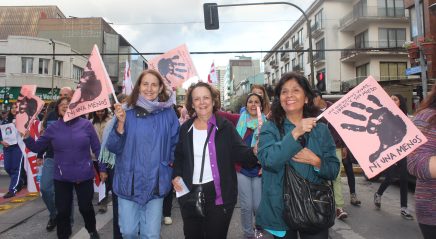
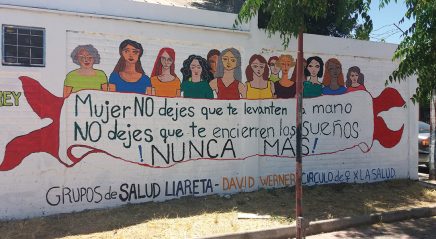
Those tools are the core of the popular education model developed by EPES. The organization was created in 1982 to promote health with dignity for the poor through empowerment, mobilization and collective action. It began as a program of the Evangelical Lutheran Church in Chile and maintains close ties nationally and internationally with the Lutheran church, funded in part by ELCA support. EPES became an independent, nonprofit foundation in 2002.
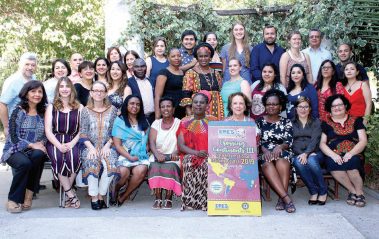
Over its 44 years of ministry in working-class Chilean neighborhoods, EPES has equipped hundreds of women with leadership skills and the capacity to effect change in their neighborhoods and their own lives. Through the foundation’s course, 285 people from 30 countries have been trained in the EPES model. Nineteen Lutheran churches have participated in the course.
Faith in practice
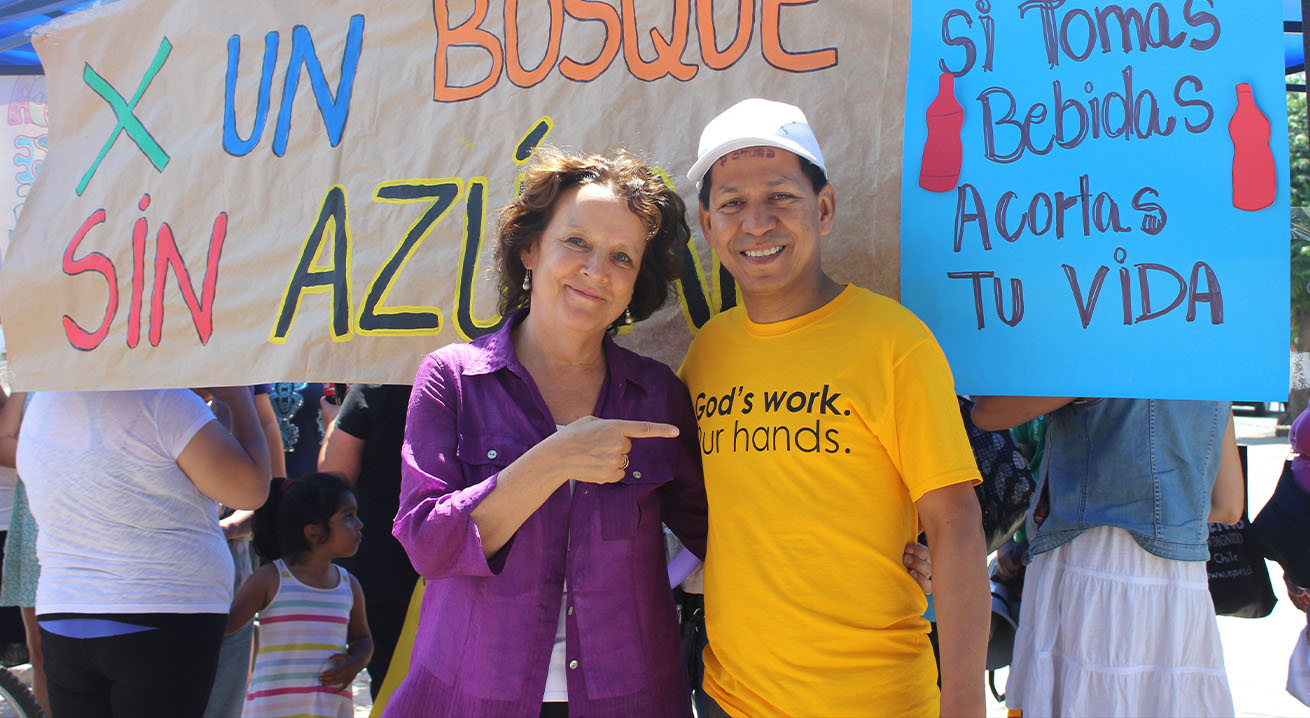
After completing the course, Nova returned to Tulsa eager to share what he had learned. With support from community college outreach and Maria Elena Kuyendall, an EPES international course attendee and now executive director of El Centro in Tulsa, he designed a curriculum to train promotoras comunitarias (community promoters). Over the next eight years, seven groups of mostly immigrant women—170 total—became community promoters.
That experience also led to the formation in 2021 of El Centro, a nonprofit advocating for the dignity of all immigrants that operates with an interfaith coordinating board. It serves as the hub in the Tulsa area for community promoters and programs such as immigration legal guidance, conversational English classes and peer assistance for expecting parents.
At the time of El Centro’s founding, local immigrants had expressed feeling unwelcome in some sectors. Its coordinating board began holding vigils every Friday outside the Tulsa County Jail, where immigrants were being detained. The weekly vigils and prayers always opened by singing the iconic “This Land Is Your Land,” an anthem for human dignity by justice advocate and folk singer Woody Guthrie, who was born not far from Tulsa. In 2025, Nova and a pastor of a non-Latino congregation began organizing monthly vigils at different houses of worship to pray for compassion and justice for immigrants.
The spiritual foundation for their immigrant mission draws from numerous commands in Scripture to “love your neighbor as yourself” (Matthew 22:39, Mark 12:31) and to “not wrong a stranger, for you were strangers in the land of Egypt” (Exodus 22:21, 23:9; Leviticus 19:33-34, Deuteronomy 10:18-19).“All of us are sons and daughters of God—every single one of us,” Nova said.
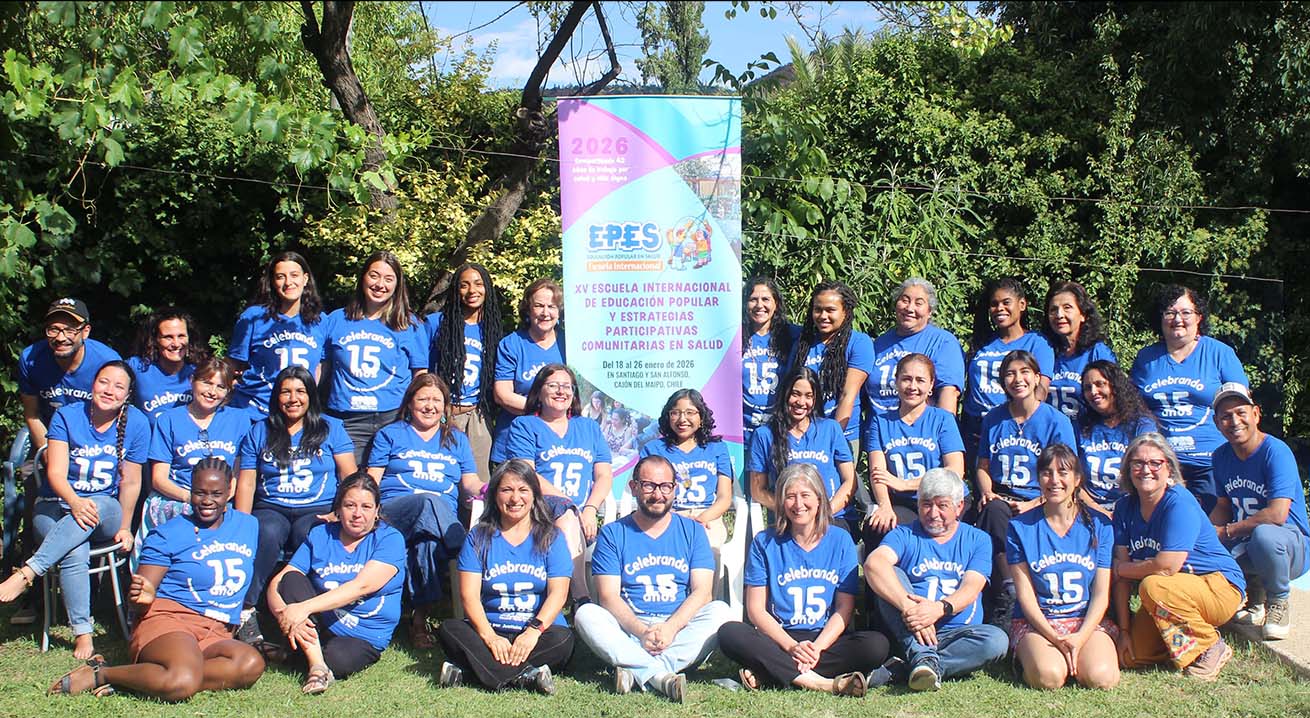
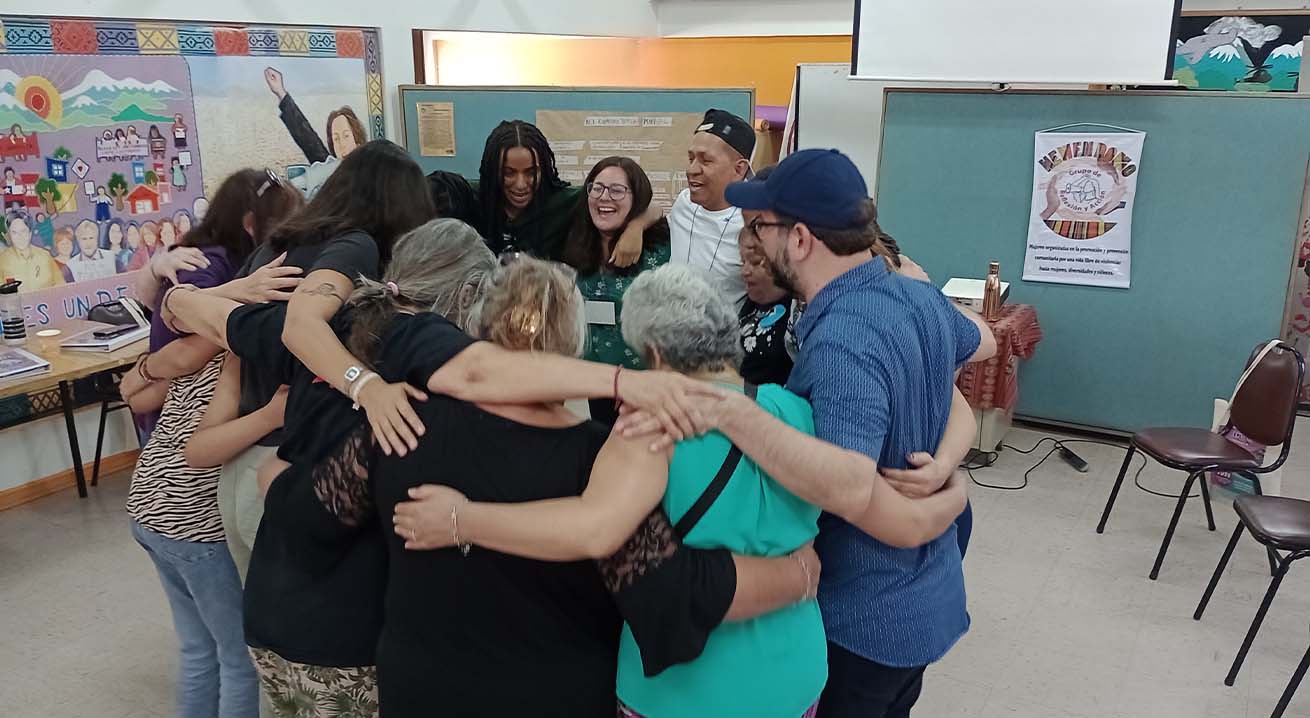
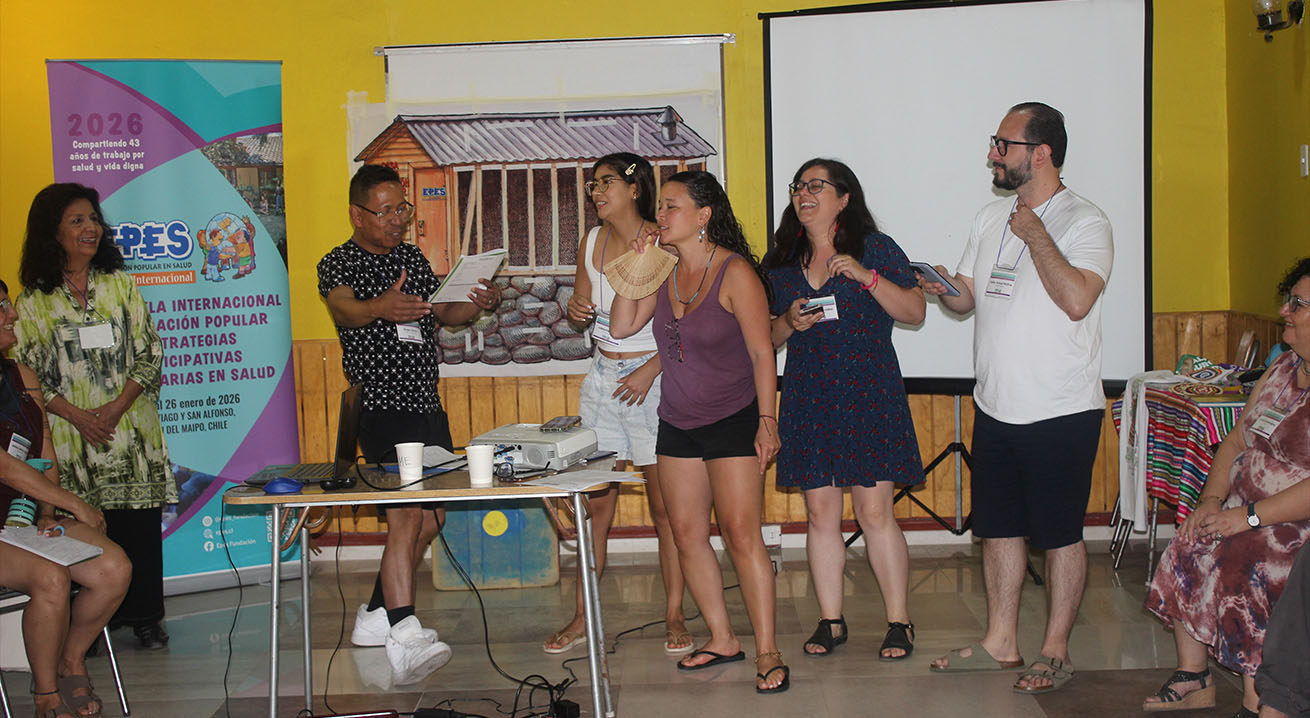
In January, Nova returned to Chile for a session of EPES’ international course, giving him the distinction of being the only participant who has attended two courses. He was delighted to discover that the new iteration of the course centered on emerging issues such as immigrant advocacy, nutrition and food sovereignty. “People came from all over Latin America, and we learned from each other as well,” he said.
The partnership between the ELCA and EPES has been fundamental to Nova’s spiritual formation and ministry, he said, adding, “I am a pastor who cries for my people. But in my heart, I am happy, because I belong to the Arkansas-Oklahoma ELCA Synod, which encouraged me to answer the calling I felt all my life. And EPES has shown me how to live my faith in practice.”