 Logout
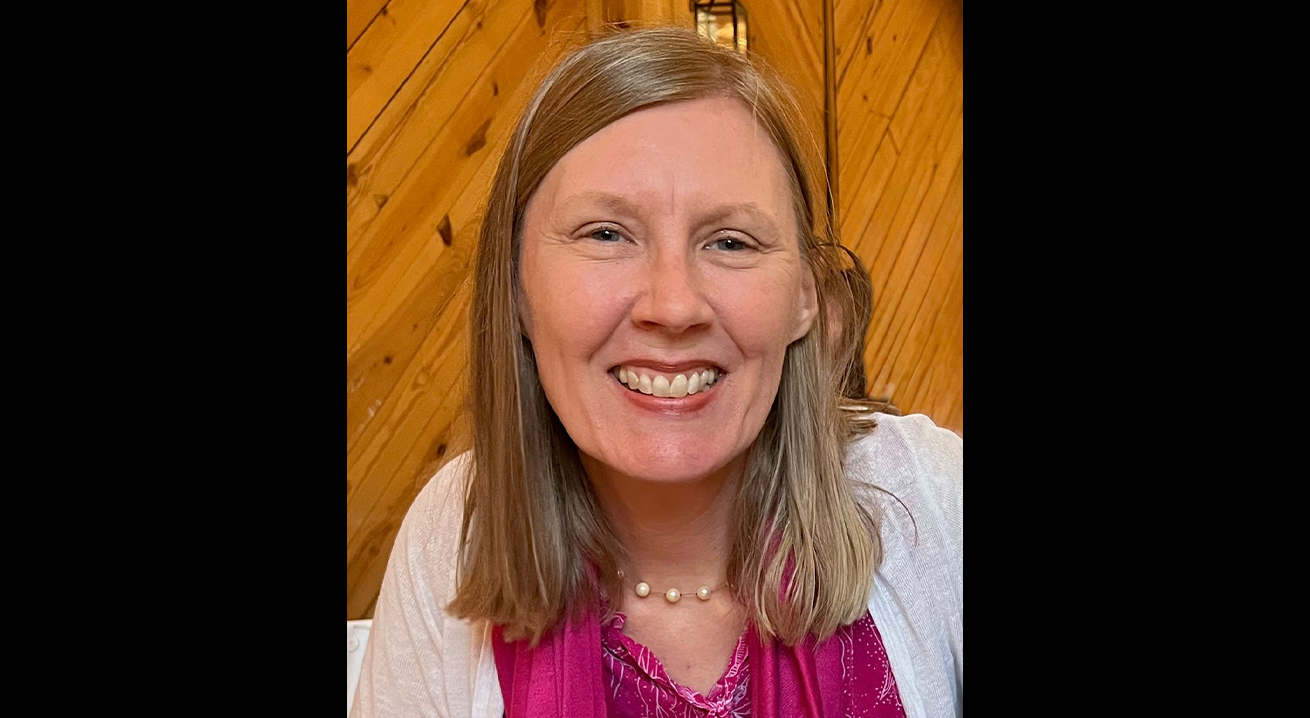
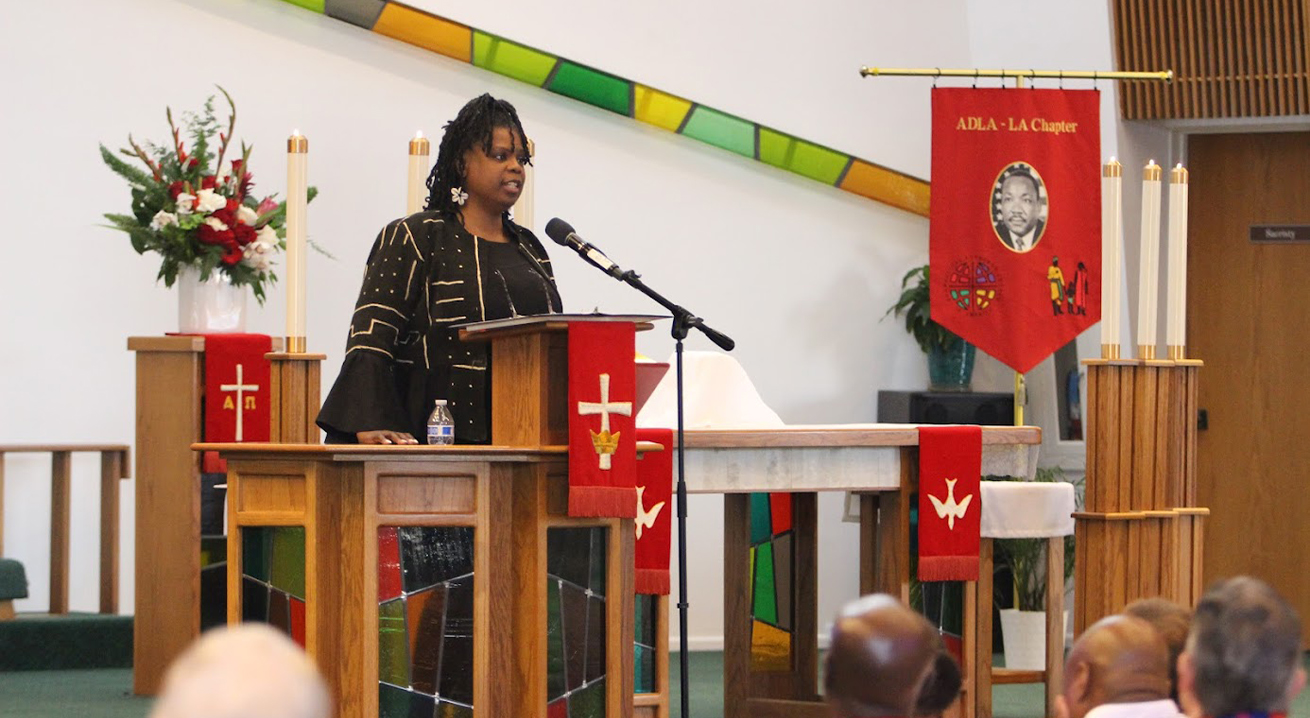
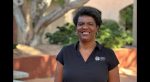
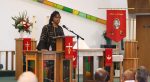
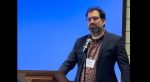
Growing up at Prince of Peace Lutheran Church in Greensboro, N.C., Lucille “CeCee” Mills, ELCA secretary, saw lay leadership as an opportunity for everyone to have their voice heard in the church.
Prince of Peace began in 1970 as a neighborhood service center in the city’s historically Black Warnersville community, and Mills said that foundation guided the church’s approach to ministry.
“We started out as a children’s center, and because of that, children were never a future part of the church—they were the church,” she said. “So anything you wanted to experience leadership-wise in the church, you were allowed to do. I preached my first sermon at age 9. I served on council for the first time at age 12. There was always a holy invitation to come in.”
That faith upbringing stayed with Mills, and as she entered adulthood, she continued to serve in lay roles in the church, assisting fundraising efforts, serving on boards and giving her time to different outreach programs. “Doing those things was really critical to my understanding of who we were as the ELCA and what that meant for my call as a child of God, even before I felt called to public ministry,” she said.
“Empowering lay leaders is a way to unlock ministry and giftedness that is often overlooked.”
Eventually, Mills did feel that call, and she looked to the example of her godfather, who at the time was a lay associate at Prince of Peace. Instead of attending seminary, he completed the Theological Education for Emerging Ministries (TEEM) certificate program, which prepares people for ordained ministry in the ELCA. Mills followed that same route, and then served in the Virginia Synod, where she participated in the Ambassadors Community for Theological Study, which offers training to equip laity for service as ambassadors of Christ in homes, churches and their communities.
Mills’ story is just one of many across the ELCA of parishioners answering God’s call to serve in lay leadership roles. And while that call sometimes leads to ordination, as it did for Mills, ELCA members often serve as lay leaders in their churches and synods.
Opportunities to serve
Lay ministry plays an important role in how ELCA congregations serve both their members and their communities. These roles can include everything from youth leaders, council members and community outreach coordinators to non-ordained positions such as a synod-authorized minister (SAM) and lay preacher.
Lay leader roles fulfill two purposes: Assisting ordained ministers in effectively running the church and performing outreach, while also giving congregants the opportunity to serve and answer their own calling to contribute directly to ministry.
“Often our word and sacrament ministers become so stretched and pulled, especially regarding administrative issues,” said Wendy Roberts, a deacon and assistant to the bishop for the candidacy and call process in the North Carolina Synod. “Being able to empower their lay leaders is really a way to unlock so much ministry and giftedness that I think is often overlooked in the church.”
While assisting rostered ministers accounts for the work of a large portion of lay leadership in the ELCA, a growing number of laypeople have stepped into minister roles through the SAM and TEEM programs. According to a 2024 report from the ELCA Research and Evaluation team that surveyed all 65 synods, at least 756 congregations—or around 9% of all ELCA churches—are currently served by SAMs. But the use of these lay ministers is unevenly distributed, with one-third of all synods accounting for 80% of all congregations served by a SAM. Those SAM-led congregations are mostly located in the Midwest and Texas.
Around 9% of all ELCA congregations are currently served by synod-authorized ministers (SAMs).
“The increased use of synod-authorized ministers in the ELCA is one of the key indicators that a new, nonprofessionalized model of ministry is emerging alongside the more conventional model of rostered ministry,” the report says.
And acceptance of this type of ministry is growing within the ELCA, according to the report, which found that 68% of bishops approve of the use of SAMs and other non-ordained lay leaders in ministry positions.
“There are leaders who will do great ministry without ever having been ordained or rostered,” Mills said. “We just have to figure out how to celebrate and unleash that gift, and not look upon it with a hierarchical-based idea of their theological understanding and the effectiveness of their ministry.”
Welcoming different voices
As the ELCA works toward becoming a more diverse and inclusive church, the growth of lay leadership creates a pathway to ministry for people who might not otherwise be able to answer the call. Alternative pathways to pastoral leadership, such as the SAM and TEEM programs, appeal to those for whom the traditional avenue of seminary isn’t as feasible due to financial, time or proximity constraints.
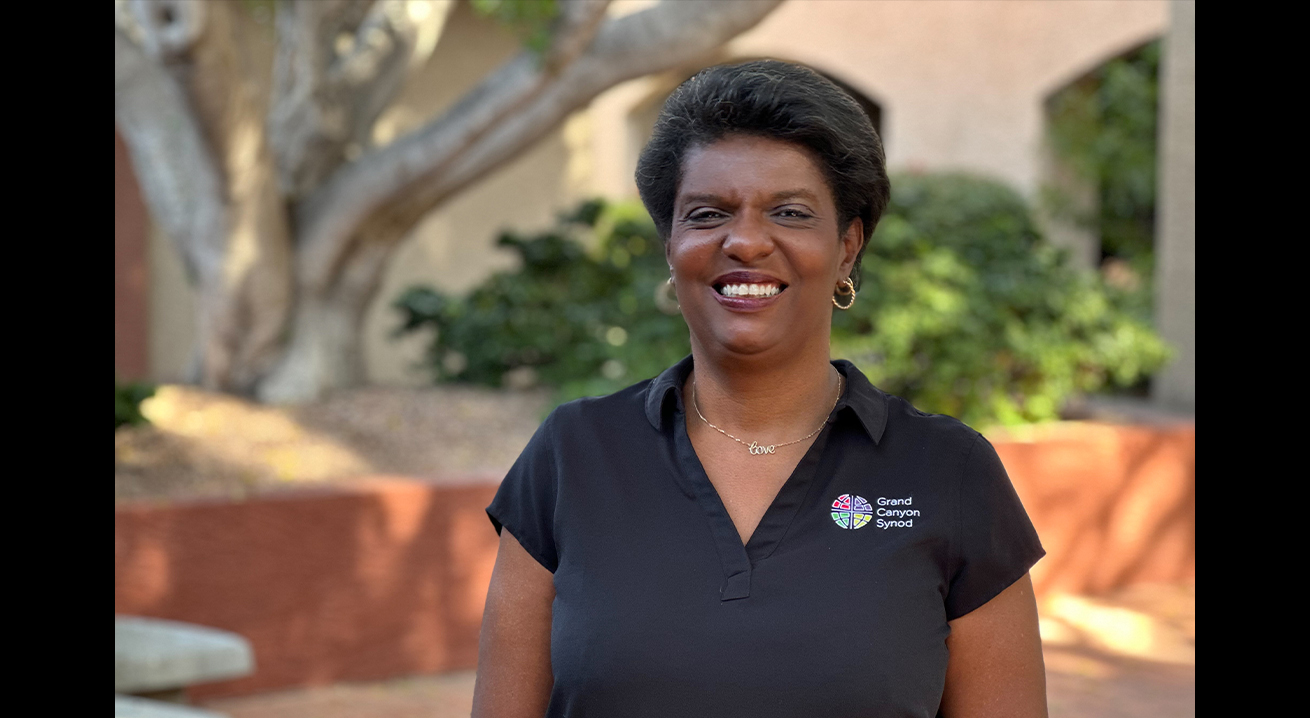
“When I went to seminary, people were surprised that I had to pay for it—‘Oh, the church doesn’t just pay for you to go to seminary?’” said Jacqui Pagel, bishop’s associate for candidacy and faith formation in the Grand Canyon Synod. “It may have once been that way, but it’s not now. There’s the Fund for Leaders, but that can’t cover everyone.”
Programs like SAM and TEEM afford potential church leaders who face obstacles to seminary, such as a lack of funding, the chance to answer the call to ministry, Pagel said. And that can open the door to a wider range of potential leaders from underserved communities, rural areas and different socioeconomic backgrounds.
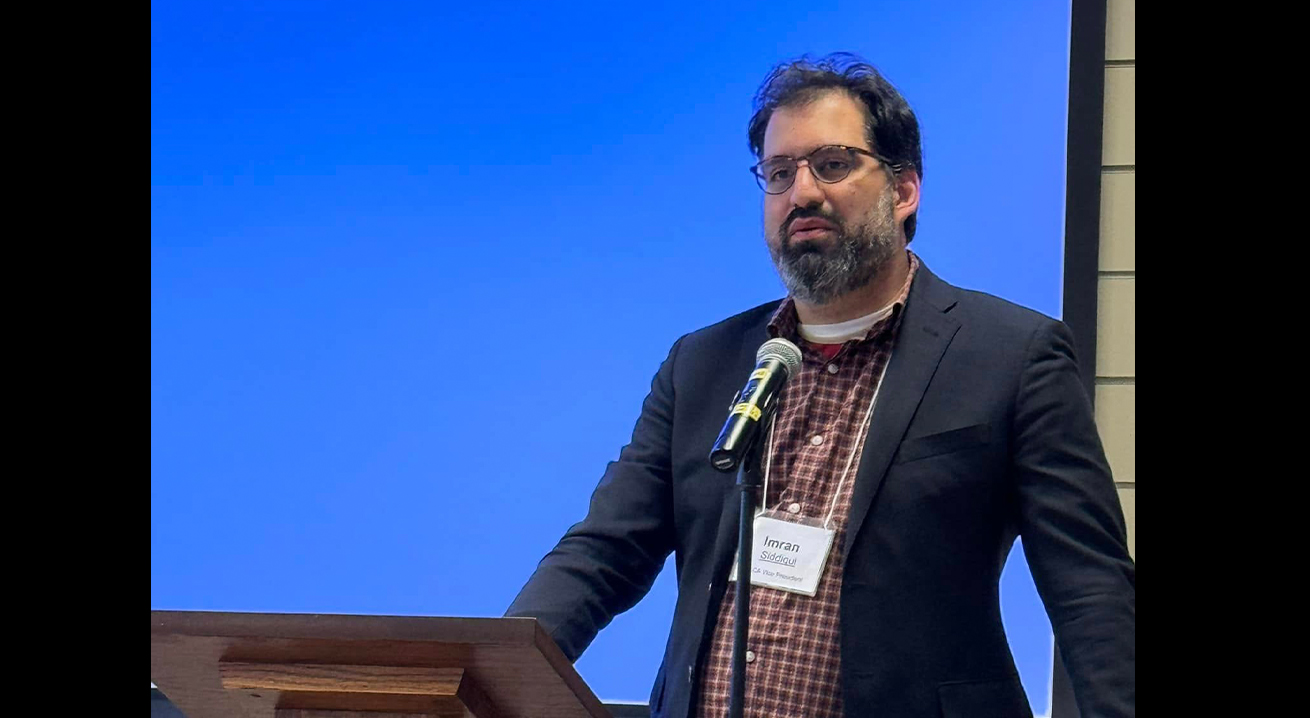
“These are opportunities for folks who are underrepresented,” said Imran Siddiqui, ELCA vice president. “They’re minority groups, they’re people who have disabilities, they’re people who speak another language other than English as their primary language—they have opportunities to serve in leadership.”
Lay leadership helps create a pathway to ministry for people who might not otherwise be able to answer the call.
Siddiqui said leadership begets leadership for more diverse communities, as seeing people who look and sound like them in positions of power can inspire others to get more involved in the church and its ministries. He believes this can help make that ministry and outreach more successful because churches can better understand the needs of people.
“It’s not just about optics,” he said. “It’s about different experiences that lead to different outcomes. There have been certain things that I’ve been part of where folks are saying, ‘We need to do this for this group,’ but there’s no one involved from the group that they want to help.”
When churches and their leadership don’t have voices different from their own as part of the process, he said, programs and outreach efforts can miss the mark because they offer disparate groups what they think they need, rather than what they actually need.
“Having more laity included in leadership roles allows for more conversations, but also it allows for clergy to be more diverse,” he said. “And it also allows for clergy and bishops to be more cognizant of different cultures and traditions, so that when they make decisions, they’re not unwittingly making a terrible choice based on racism or sexism or ableism.”
Spiritual second acts
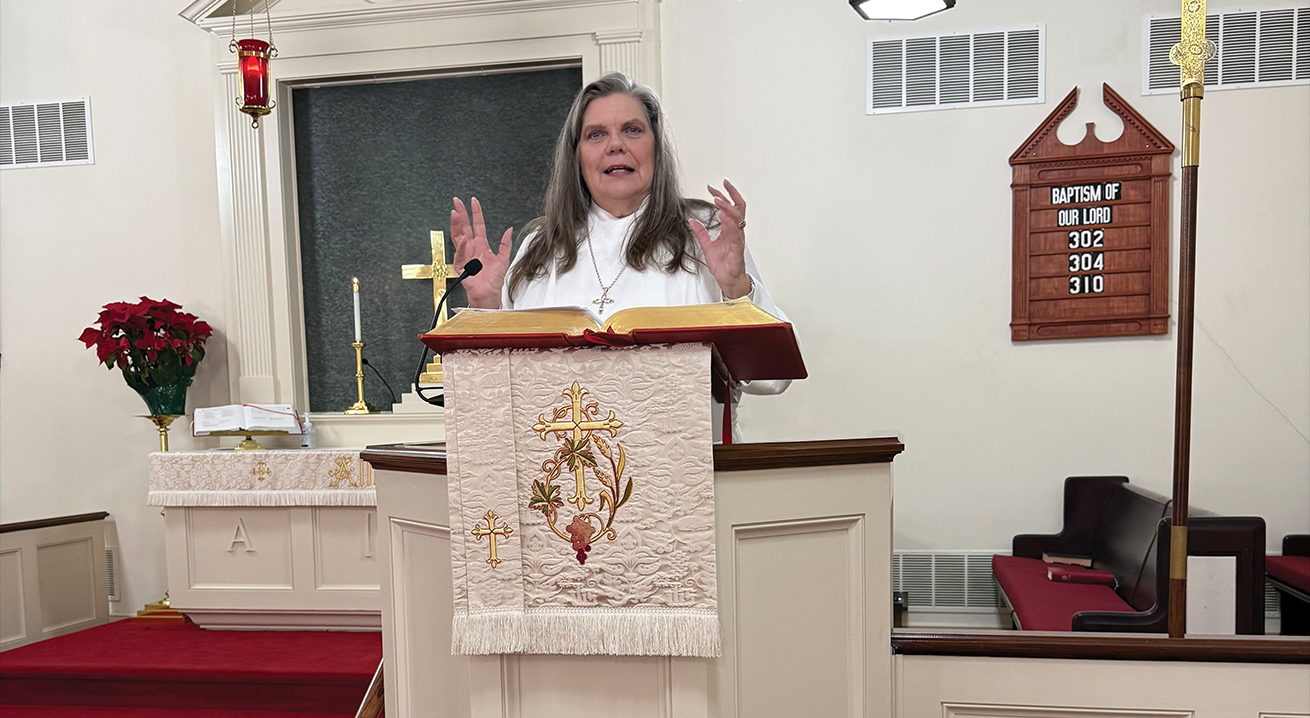
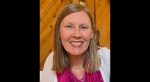
Lay leadership also creates a pathway to service for Lutherans who answer the call later in life. Kathy Jo McLean, a commissioned lay preacher in the North Carolina Synod, never thought she’d go into ministry. While she was always involved in her church—teaching Sunday school and Bible school, serving in kids’ programs—McLean never really considered that work lay ministry, though it technically qualified as such.
In 2022, McLean heard about the synod’s advanced lay ministry and realized she wanted to pursue that path. “It was like, ‘That’s it—that’s what I’m supposed to do,’” she said. “It took me a week before I could even talk to my husband about it, because it was not something I ever thought I would do.”
Since becoming a certified lay preacher in 2024, McLean has served as a fill-in minister at more than a dozen congregations in her region. She said this opportunity to pursue ministry has not only grown her faith but has also pushed her to step outside of her comfort zone and grow as a person.
“My faith, my trust, knowing that God and the Holy Spirit are going to show up in those moments, it’s a different feeling when you’ve been in the pulpit talking than when you’re sitting in the congregation,” she said. “I feel the confidence that no matter what happens, the Holy Spirit’s going to jump in, and everything’s going to be the way it’s supposed to be at that moment.”
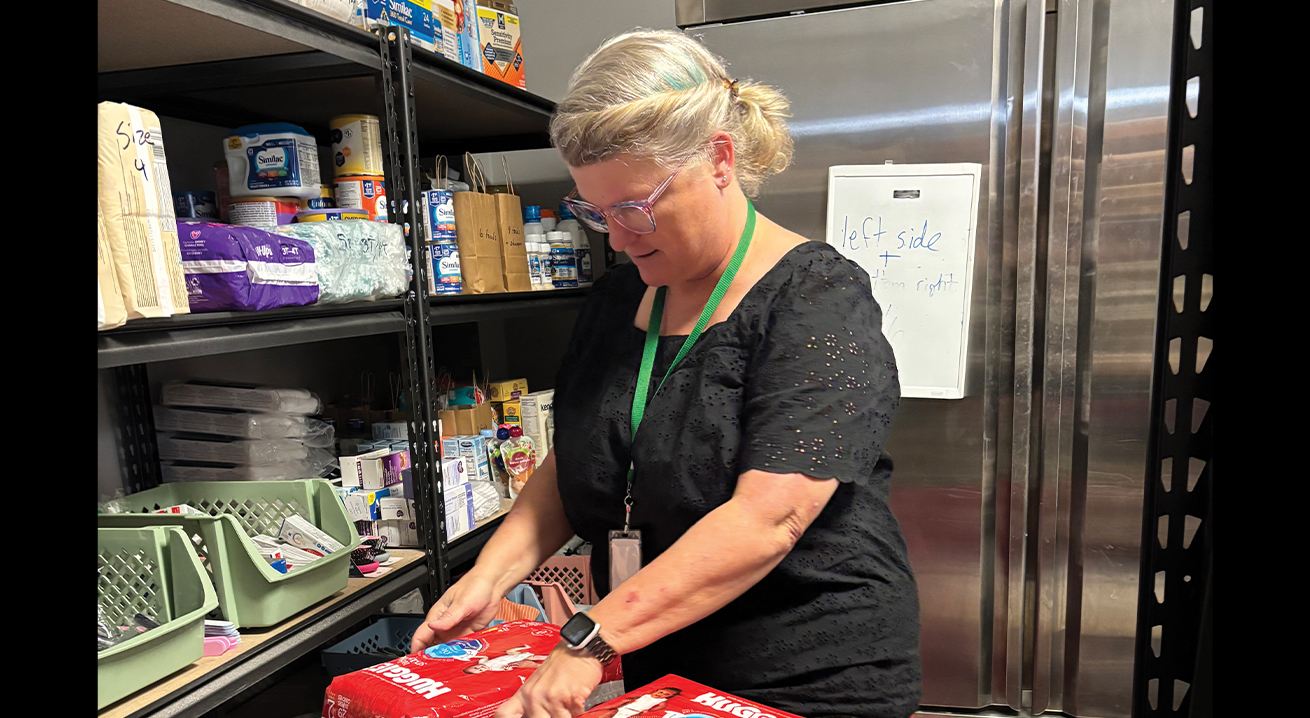
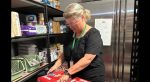
Brenda Magers, who manages the food pantry at Shepherd of the Sea Lutheran Church in Murrells Inlet, S.C., came to ministry later in life as well. Magers’ partner, Angie Howell, who serves as a lay evangelist for the congregation, encouraged her to get involved in lay leadership as the church’s finance secretary. Recently retired from a career in park management, Magers said she initially saw the work as a way to stay busy in retirement, but she found true purpose when the opportunity arose to manage the church’s food pantry.
“After 30-plus years of professional experience, I can apply my skills in a rewarding way.”
“We offer a choice pantry, which means people can come through and shop like they would in a grocery store and pick the food they like,” Magers said. “That reduces waste and increases dignity.”
Shepherd of the Sea recently partnered with Trinity Evangelical Lutheran Church in nearby Georgetown for a satellite pantry. The Georgetown area has been hit hard recently by the closure of two major employers, and Magers says the pantry fills a need for many in that community who are struggling.
“We set up a choice pantry in Trinity’s fellowship hall, and it’s not just dry goods. We have fresh meat, produce, salads, pasta and a table of sweets they can grab on their way out,” Magers said. “People like to have a little treat even if they’re struggling—it’s part of dignity, saying that you’re still a regular person.”
Last year the food pantry served 40,435 people and distributed 464,735 pounds of food.
Magers never planned to get into lay ministry, but her experience at Shepherd of the Sea has transformed her retirement and affirmed her faith.
“After 30-plus years of professional experience, I can apply my skills in a rewarding way,” she said. “There’s a different comfort level, and I can kind of relax into the ministry.”
Focusing on the future
The power of lay ministry goes far beyond the individuals filling those lay leadership roles. These leaders play an important part in the vitality and growth of ELCA churches, particularly in smaller or rural communities, and for new pastors serving those congregations.
“So many of our congregations are on the smaller side, and many of our first-call opportunities for pastors are often smaller congregations with solo ministry positions,” Roberts said. “To survive in that setting, you are going to have to connect with your lay leaders and lift up your lay leaders to be able to do all the things that you dream of bringing to fruition in the ministry.”
And that’s if those small congregations are able to call an ordained pastor at all. With fewer people entering seminary, Siddiqui said, there are fewer ELCA rostered ministers, which means greater competition for placing first-call pastors.
“In some parts of the country, people have had a really difficult time finding a pastor even if their congregations have enough money to pay above pastor guidelines, because they’re in a remote area or they’re in an area that some people don’t necessarily like,” he said.
In those situations, he said, having the freedom to tap lay leaders from within the congregation empowers smaller churches to continue to pursue mission and ministry.
“We’re probably going to see more of these situations,” he said. “And I think we can embrace these situations where laypeople are leading these congregations, and you don’t necessarily have to pick someone to be a pastor—you can have the congregation council doing mission work and maybe you have someone who travels to be a pastor.”
“We’re reformers, so we should always be questioning whether what we’re doing is still what it should be.”
That’s where SAM and TEEM ministers can really make a difference, whether they’re serving in a temporary or traveling role, or if they take on full-time pastoral duties. Pagel said the key is ensuring wide access to these lay ministry training programs and operating them in a way that best fits the needs of the faith communities they will serve.
Pagel works with the SAM program in the Grand Canyon Synod, which rolled out two years ago using the work of the Montana Synod as a model. During the first year, the synod brought on 10 candidates as SAMs, and as the program has evolved over the past two years, Pagel said they realized they needed to customize the training for their synod’s specific needs.
“I very quickly realized we couldn’t just do what Montana does,” she said. “[We] had to figure out, were we creating SAMs to be mini-pastors, or were we creating SAMs to be placeholders? I realized we were doing both, and once I figured that out, I felt like I had a really good grasp of where I’m pushing our SAMs and how I help them develop their leadership skills.”
As the need for lay leadership continues to grow in the ELCA, Mills said she hopes the church will continue to take an open-minded approach to support the growth of this important facet of ministry. And as someone who has seen the power of lay ministry not only in her personal faith journey but also in congregations across the country, she believes that supporting and cultivating those who feel this call will play a critical role in the future evolution of the ELCA.
“One of the things I’ve learned in this church is that we get in our own way—we can be theological snobs and say that, ‘It’s not right, and we should never do it that way,’” she said. “But we’re reformers, so we should always be questioning whether what we’re doing is still what it should be. Give [lay leaders] opportunities in all the spaces so that people can see the gifts and blessings they bring to the church.”
To learn more
- For more information about lay schools, search for “Lay Schools for Ministry” at elca.org or contact your synod office.
- Check out Faith+Lead of Luther Seminary in St. Paul, Minn., for its School for Lay Ministry.
- Find your path to leadership at journi.faith.
- Download a free study guide for this article.
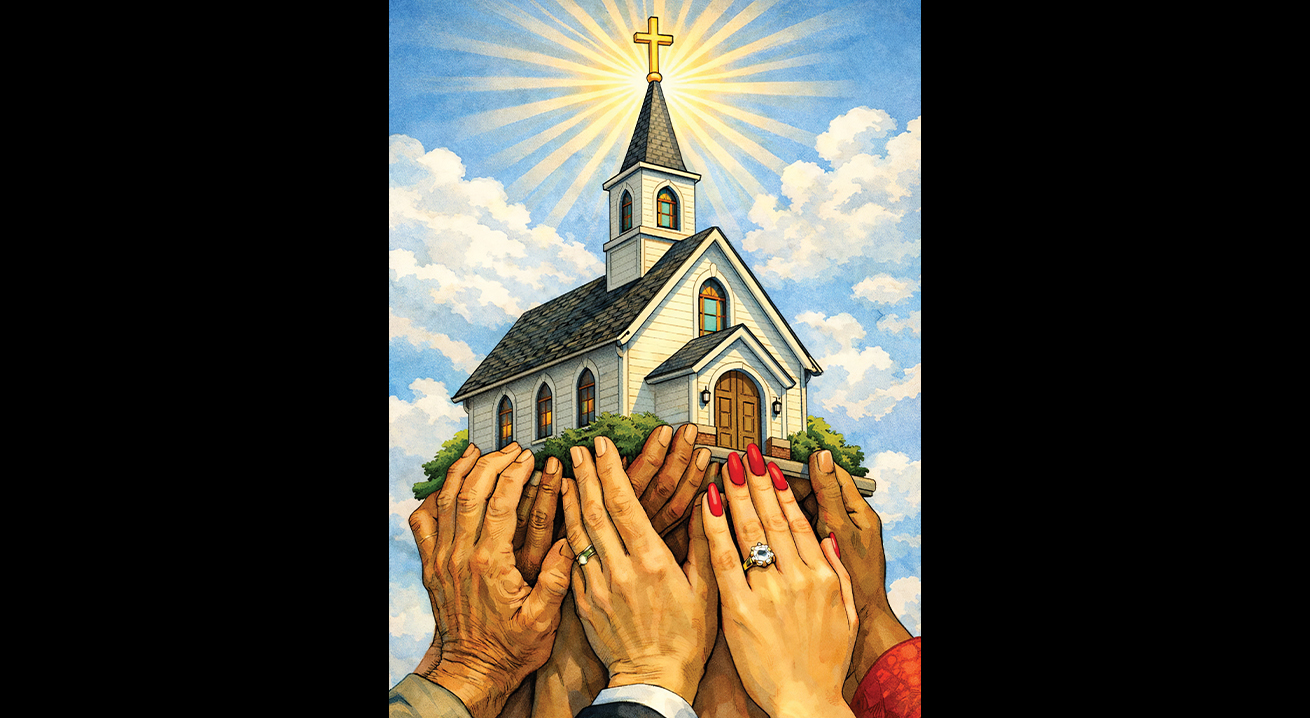
Illustration: Todd Grasty