 Logout
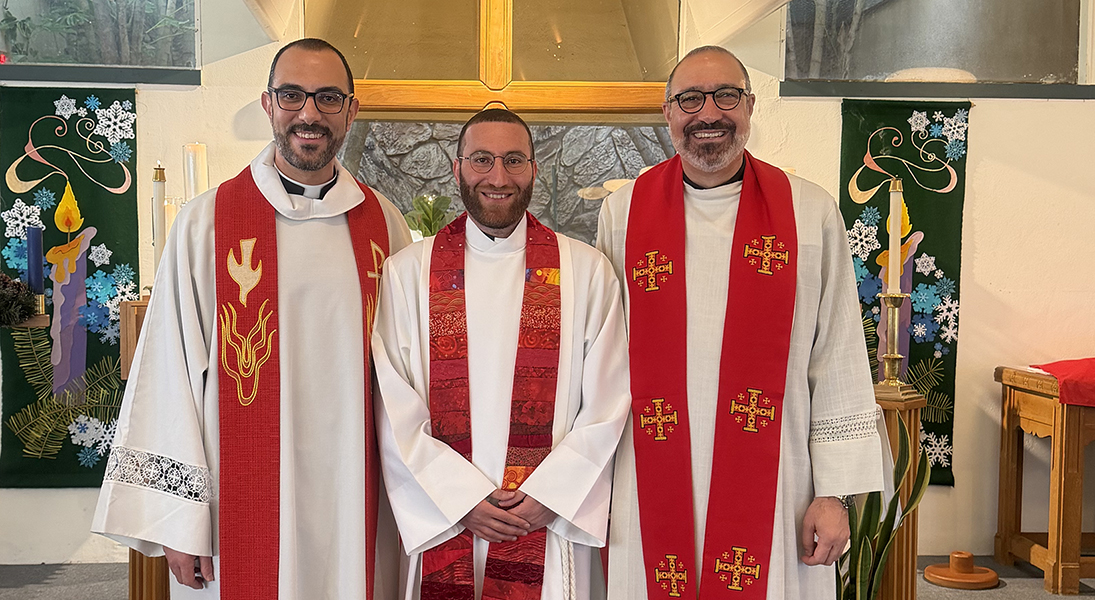
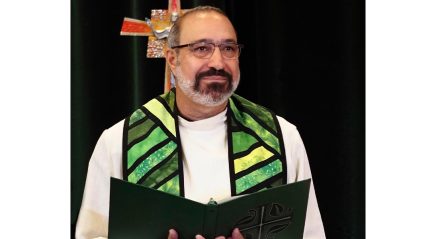
April is Arab American Heritage Month in the United States. While this is a celebration of all Arab Americans—Christian and Muslim alike—I’m going to focus on Christians. As an Arab American Christian myself, I share this history to highlight the significant role this community has played in shaping American society and culture.
Arab immigration to the United States began in the late 1800s. The majority of these immigrants were Christians from Syria, Lebanon and Palestine, seeking economic opportunity, religious freedom and relief from political instability in their homelands. Most belonged to Maronite, Catholic and Greek Orthodox churches. These churches became more than places of worship—they provided spiritual guidance, helped newcomers find employment and fostered strong, cohesive communities. In this way, Arab American Christians maintained their heritage while adapting to American life.
When we think of American Lutheranism, it’s natural to picture the legacy of German or Scandinavian immigrants. Yet a small but vital part of the Lutheran story in America belongs to the Arab and Middle Eastern community. Though smaller in number, their contributions to education, social justice and interfaith dialogue have left a lasting mark on the Lutheran churches in America.
The roots of this community trace back to the mid-19th century in the Holy Land, where German and English missionaries established the Evangelical Lutheran Church in Jordan and the Holy Land (ELCJHL). Lutherans in Palestine and Jordan embraced a calling to diakonia, or service. They built world-class hospitals and schools that served all people, regardless of religion. When Lutheran Palestinians began immigrating to the United States—especially following the conflicts of 1948 and 1967—they brought with them this enduring spirit of service and a deeply rooted sense of identity.
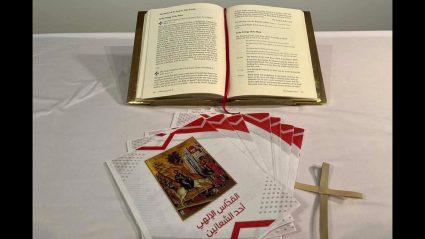
In the United States, Arab American Lutherans have established vibrant centers of community, including Salam Arabic Salam Arabic Lutheran Church in Brooklyn, N.Y., and Mother of Our Savior Lutheran-Episcopal Church in Dearborn, Mich. These congregations continue to nurture faith, culture and connection across generations.
One of the most significant expressions of this leadership is the Association of Lutherans of Arab and Middle Eastern Heritage (ALAMEH). Through its work, ALAMEH encourages the broader church to grow in understanding, strengthens community ties and amplifies voices that too often go unheard.
Arab American Christians have long served as cultural ambassadors, bridging American society with the rich history and traditions of the Arab world. Their witness demonstrates how diversity strengthens a nation, fostering both innovation and mutual understanding. Though a minority group, their impact is profound. Through their commitment to education and advocacy for the marginalized, they remind us that the story of Christ’s church is a global one—spoken in many languages, including Arabic.
As we observe Arab American Heritage Month, we are invited not only to celebrate but also to recognize the enduring contributions of immigrant communities to our shared life—both in this country and across the world.