 Logout
Lectionary blog for Dec. 14
Third Sunday of Advent
Isaiah 35:1-10; Psalm 146:5-10;
James 5:7-10; Matthew 11:2-11
Have you ever been in a desert or wilderness area? Most of us have—if not geographically, probably more likely emotionally or spiritually. We feel lost, confused and don’t know what’s next. This week in the lectionary readings, we have good news for those in desert places.
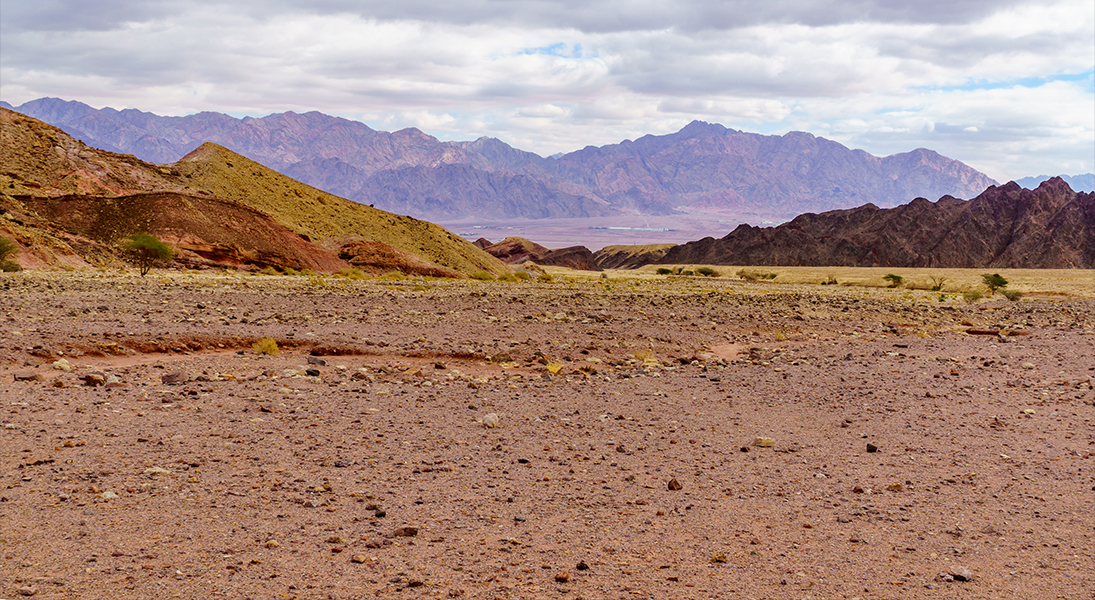
In Isaiah, we’re told that the wilderness and the desert will rejoice. And then, we’re told that the Aravah (the NRSVUE paves over the place name and just says “desert”) will rejoice and blossom. This is no ordinary desert, but a hard plain in part of the Jordan Rift Valley between the mountains of Moab, the Dead Sea and the Negev (Numbers 33:48-50, Deuteronomy 1:1; Joshua 3:16; 1 Samuel 23:24). I lived in the Aravah for a year, working on a small farm. It’s a dry and dusty place. Sandstorms are not uncommon. The farm I worked on grew dates, mangos and tomatoes, and each plant was given only a few drops of water each day (and periodically, a decent amount of blood from the abattoir down the highway). It was a fierce, burning land.
And that’s what our wilderness times are like, aren’t they? We long for normalcy; for dependable, cooling refreshment; to be out of a season in which growth is so difficult and costly. We need to hear the good news of Isaiah:
“Waters shall break forth in the wilderness
and streams in the desert;
the burning sand shall become a pool
and the thirsty ground springs of water;
the haunt of jackals shall become a swamp;
the grass shall become reeds and rushes” (35:6-7).
God will bring blossoming and gladness to the dry and inhospitable places.
God will bring blossoming and gladness to the dry and inhospitable places. Total ecological transformation is in view here. As dramatic as it is to turn the Aravah into a swamp, that is the restoring movement that God plans for God’s people. And this transformation is specifically couched in terms of healing: the blind, deaf, mute and otherwise physically disabled persons will be healed (35:5-6). Those who have been captured or imprisoned will be released (35:4) and God will return those who have been ransomed to their homes (35:10).
The psalmist picks up this celebration of transformation of the wilderness places into places of healing. For those who feel like they’ve been stuck in the wilderness, God promises hope. God gives justice to the oppressed, food to the hungry, freedom to the prisoners, sight to the blind, healing to the disabled, protection for the foreigner, support to widows and orphans, and cessation of their own evil practices to oppressors (Psalm 146:7-10).
These prophesies of healing and deliverance were well known to God’s people in the days of Jesus. The people of Galilee and Judea had been in their own wilderness experience, suffering from civil wars and then Idumean rule and Roman colonialism for over 100 years. They longed for individual healing and societal transformation. And along came Jesus. He performed the healing miracles that were promised. The blind see, the leppers are healed, the disabled can walk, the dead are raised and the poor, specifically, hear the good news of God’s kingdom—that God is not a capitalist, debts and sins are forgiven, Jubilee is righteousness, and humans are meant to live in commonwealth, as the early church did (Matthew 11:4-5).
But what Jesus does not say, what John was hoping to hear, was that Jesus would also embody the prisoner-releasing, captive-returning parts of Isaiah’s vision and the psalmist’s hymn. Jesus did not free captives. And, if anything, most of his earliest followers became captives and then were executed by the Romans or lynched by Judean crowds. Talk about a wilderness experience—waiting in a prison cell to be murdered like Jesus, Peter, Paul, James, Stephen and so many others. “Blessed is the one who does not stumble over me,” Jesus said (Matthew 11:6).
Make no mistake, the wilderness is a hostile place. People and animals die there. This has been a tough time, a difficult year—or more—for many of us. What we cannot do in the wilderness is give up hope or give into despair. Jesus came into the world and showed the ways of body-healing, foreigner-including, sin-repenting, bread-sharing and wealth-refusing. When he returns, he will take up all those tasks and add to them prisoner- and captive-releasing. As we wait, let us make this wilderness ready for him.