 Logout
Lectionary for Oct. 4, 2026
19th Sunday after Pentecost
Isaiah 5:1-7; Psalm 80:7-15;
Philippians 3:4b-14; Matthew 21:33-46
A dear friend is known around town for creating beautiful bouquets from her variety of flowers and giving them to folks who need a friendly pick-me-up. Our neighborhood gardener has built up an encyclopedic knowledge of which flowers bloom in what conditions and when she can expect peak growth. She looks for a harvest at the appointed times, confident in the results. The lectionary texts this week describe three different harvests with three surprising results.
In Isaiah 5 we have the famous “Song of the Vineyard.” The book of Isaiah is so varied in terms of genre, imagery, tone and subject. But it’s also incredibly unified in the expectation that God demands justice and righteousness. And when that demand is thwarted, drastic steps will be taken. In this sense, the “Song of the Vineyard” is Isaiah in microcosm.
The song is framed as a love poem to God, wherein the prophet expresses empathy for divine emotions of disappointment and frustration over the people’s behavior. It opens with a description of God’s loving actions to bring about the settlement of the Israelites in the Holy Land. God-as-beloved plants a vineyard on a fertile hill. God digs out rocks that would inhibit growth, plants only the best vintages, builds a watchtower and cuts a winepress into the stone. God has high hopes for several generations of good harvests.
Then the singer of the song changes. Suddenly, God lodges a complaint with the people: “What more could I do for you than I’ve already done?” God notices that the harvests aren’t maturing. After waiting for a long time, the results God seeks fail to appear. Therefore, God allows exile to occur. Metaphorically and literally, walls are broken down, vineyards are laid waste and weeds choke the ground.
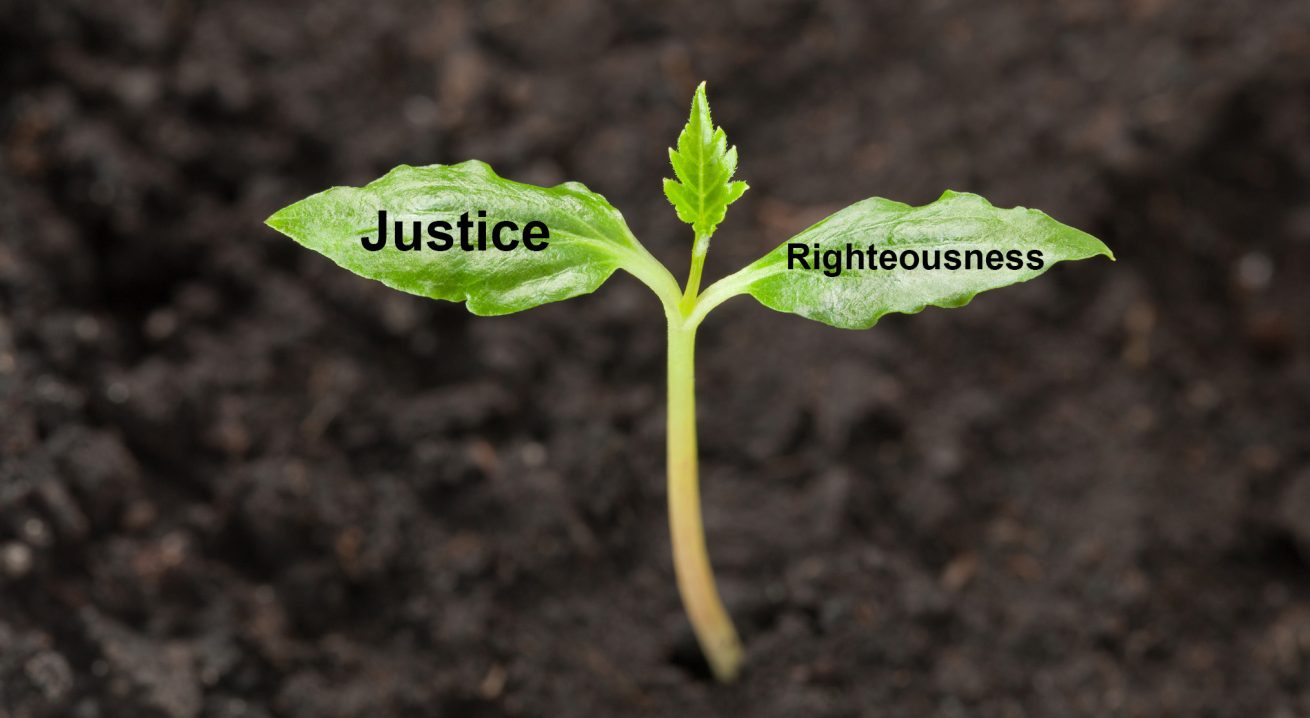
We must pay attention to the harvest that God wants and how it differs from the one found. The text is specific. God waits for a harvest of justice, but there is bloodshed. God hopes for righteousness, but there are only cries for help from the oppressed. God wants to harvest justice and righteousness, but the people only offer violence and oppression.
Violence, bloodshed and overshadowing other nations aren’t the harvests that God wants. Instead, God plants humans to produce justice and righteousness.
Psalm 80 offers a song of the vineyard from the people’s perspective. The psalmist describes the process of “uprooting” a vine from Egypt, which sounds as if that nation isn’t all that bad. But then God clears the ground of competing plants and growth-inhibiting rocks so the vine can thrive in its new, mountainous context. And it does! It fills the land, and the grapevine blocks out the sun for mighty cedars. The vine’s roots even tap the Euphrates and the Great Sea.
But then there is a surprising harvest. Instead of harvesting the wine grapes and serving them to princes, God smashes down walls and lets unclean wild pigs chew on the grapes and branches. In fact, going just beyond the lectionary reading, we see that the whole majestic vine is hacked down and burned. It seems that growing grape leaves that overshadow cedars isn’t the point. Instead, God seems to want a plant that stays a bit closer to the ground, focusing more on the harvest rather than on what can be shaded out.
In Matthew 18, Jesus took up the “Song of the Vineyard” to describe another disappointing harvest. In this parable, the owner perfectly prepares the vineyard to produce great harvests. But instead of working the vineyard himself, the owner leases it to others who produce a harvest that pays rent.
But the renters are filled with evil. They beat and kill those sent to remind them that they owe the landlord a harvest. Ultimately, the landlord sends his own son to collect payment. The renters imagine that if they kill the son (and then ultimately kill the landlord) the property will become theirs. But the renters are wildly mistaken about what will happen! Jesus insisted that the landlord would take the vineyard from them and give it to people who would produce the hoped-for harvest (Matthew 21:41, 43).
We must ask: What kind of plants are we (as individuals, congregations, neighborhoods and nationally)? And what kind of harvest are we producing for God? Violence, bloodshed and overshadowing other nations aren’t the harvests that God wants. Instead, God plants humans to produce justice and righteousness.