 Logout
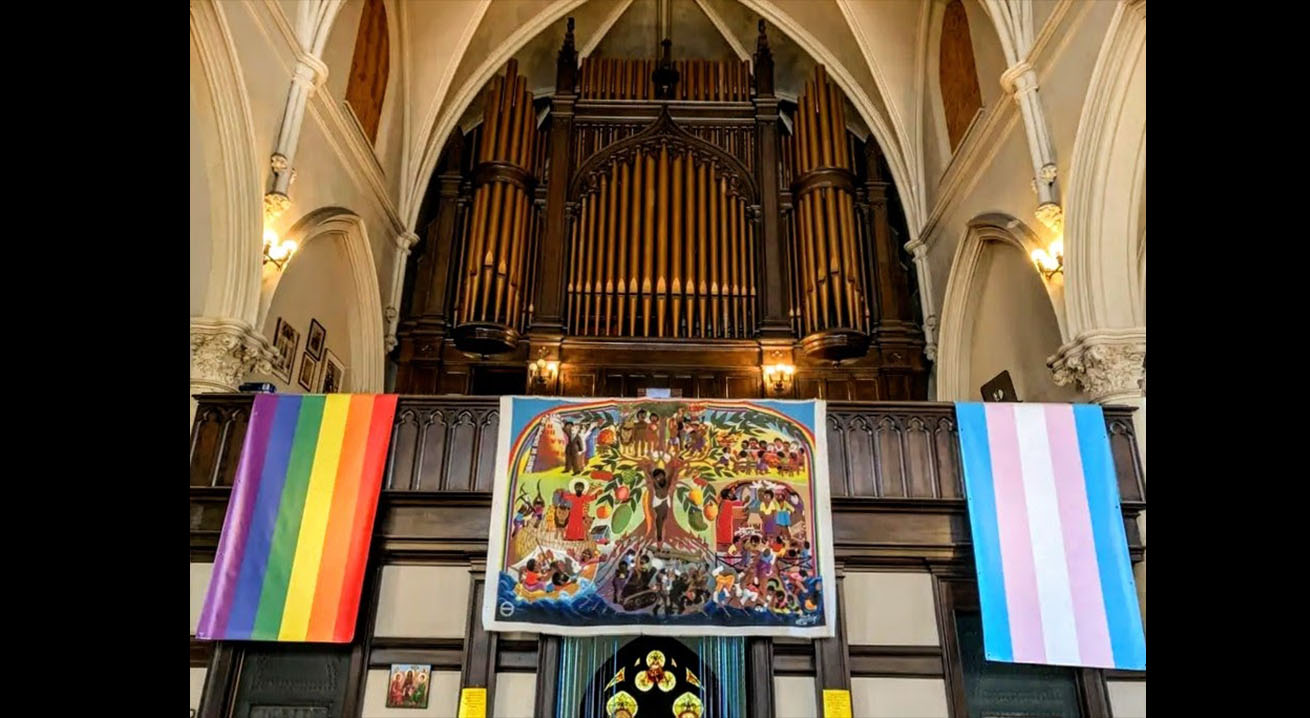
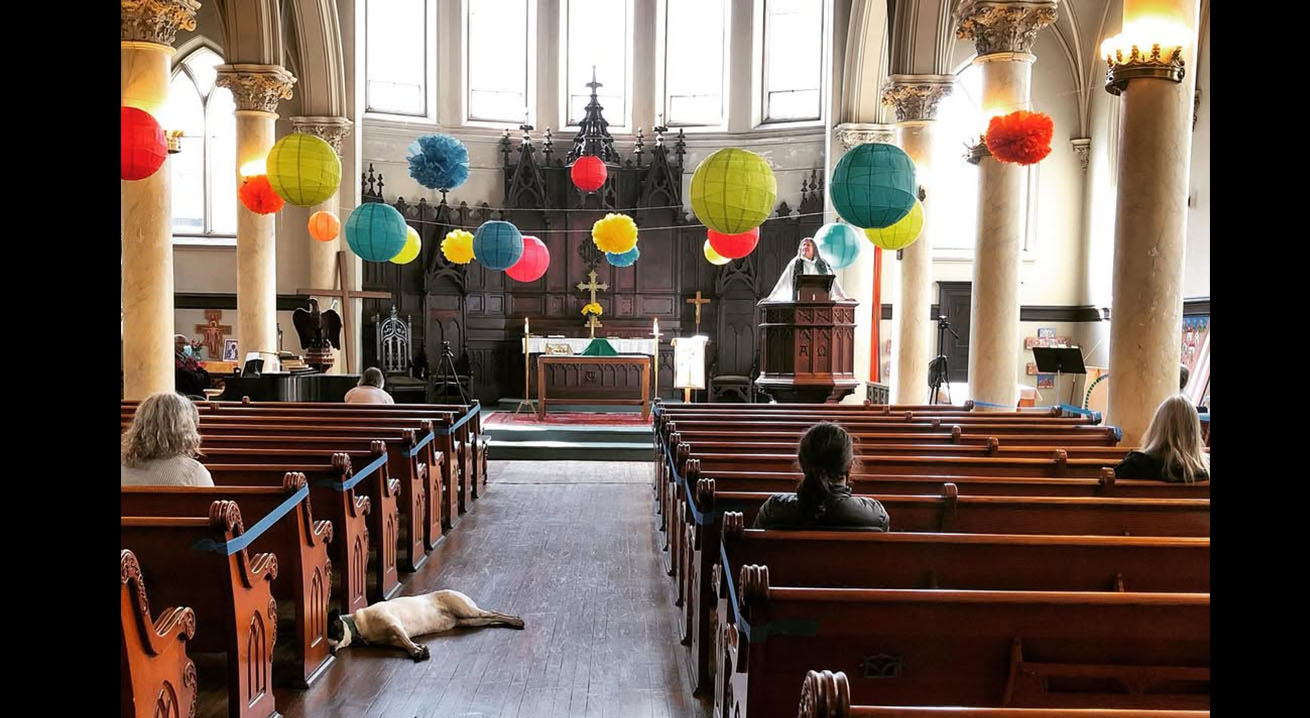
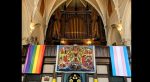
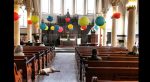


When New York State Pride reached out to local churches in the early 2000s seeking shelter space for LGBTQIA+ youth during the coldest months of the year, Trinity Lutheran Church of Manhattan felt called to act. Membership had declined significantly, and financial resources were limited. What the congregation did have was space—and a good amount of courage.
Heidi Neumark, then-pastor of Trinity, and Chris Wogaman, then-vicar of Trinity, led the housing effort, determining that the state would provide bedding and cots while Trinity would offer overnight supervision, dinner and breakfast. The trial program ran for three weeks and was so successful that two Pride staff members offered to keep the shelter going full time. With seed funding for a year, the congregation began exploring ways to enhance the program.
“This was a huge leap of faith for them,” said Alyssa Kaplan, current pastor of Trinity. The congregation was often operating at a deficit and had faced serious challenges before calling Neumark. Trinity took this leap not waiting for stability or an excess of funds—they acted at a time of scarcity.
“They knew that churches had hurt the LGBTQ+ community, that churches were one of the reasons why these youth were on the streets,” Kaplan said. “They saw that it was incumbent on their church to be part of the healing process.” In June of 2006, the congregation unanimously voted to establish Trinity Place as a permanent shelter program. The shelter has been open every night since.
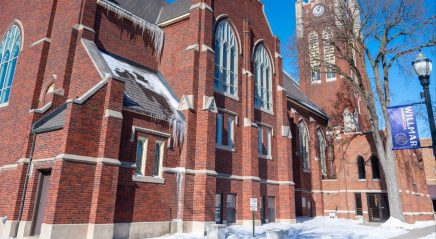
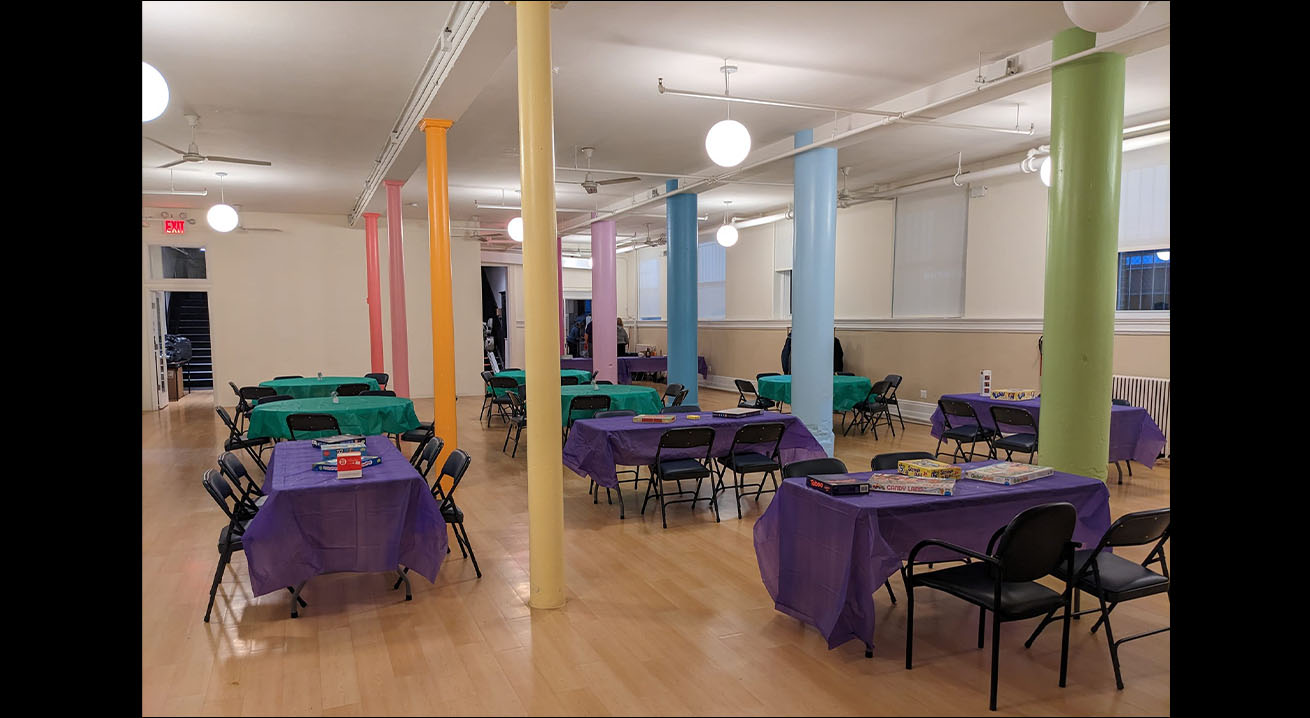
The church is not large—a modest sanctuary sits atop a basement fellowship hall, two offices, a kitchen and two small restrooms. Shelter guests arrive in the late afternoon and help transform the fellowship hall, often used for daytime programming, into a shared sleeping area with cots and a central dining table. The guests are young adults, ages 18 to 24, and may stay at Trinity Place for up to 18 months.
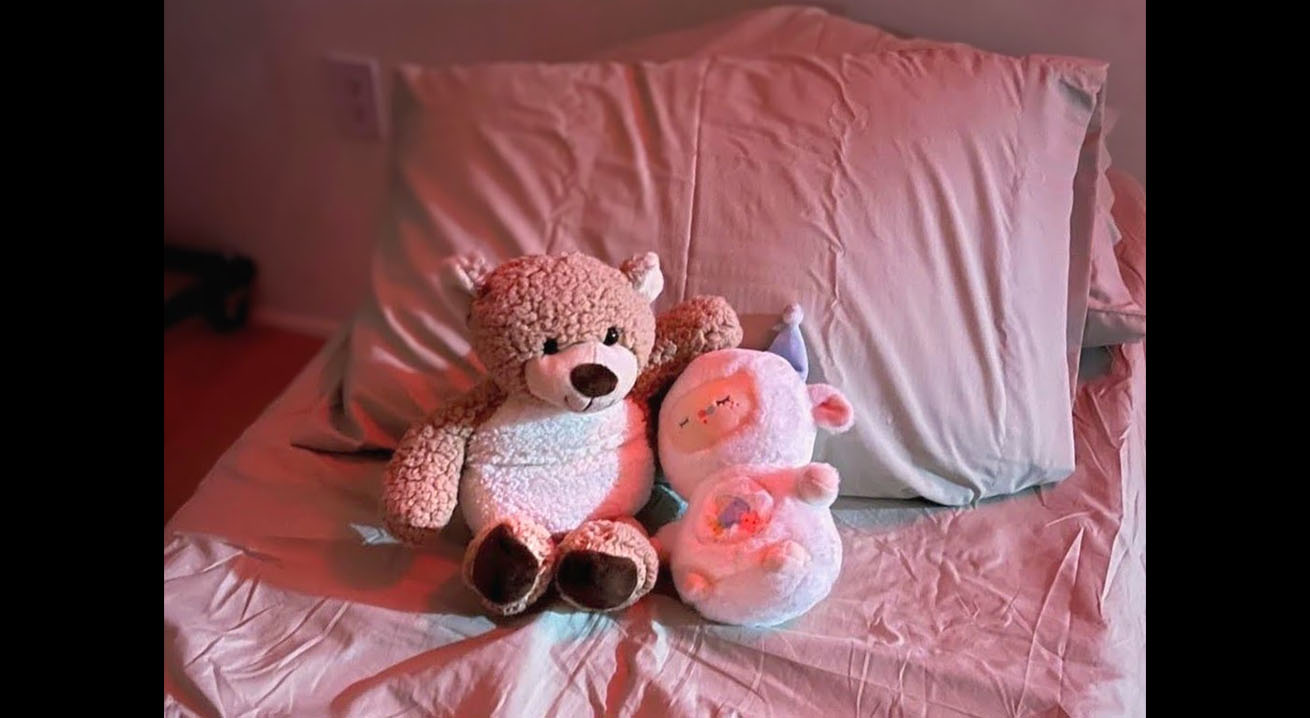
Having a reliable and safe place to sleep, cook, unwind and store belongings is critical for residents. It helps them maintain employment, pursue education, access needed services and take steps towards permanent housing. The shelter accommodates about 10 guests—the maximum the space allows—creating a sense of community.
Trinity Place was born from a congregation that proclaims, “a wild belief that with God and one another we can make a difference.” For hundreds of LGBTQIA+ youth, they have. The church building has become more than a house of worship; it is a place of shelter, healing, safety and love.
Like Trinity, many congregations find themselves with buildings and land that could be used to meet urgent community needs. However, navigating the challenges and opportunities that buildings and land represent can be daunting.
The ELCA Church Property Resource Hub was established to equip congregations and synods with tools for faithful property stewardship—how-to guides, stories of creative solutions, eLearning courses and connections to professionals who can assist.
The bold step Trinity took 20 years ago has sustained not only its mission in Manhattan but its physical presence—which may be one and the same.
Learn more
No congregation is alone in this work. Congregations with buildings and land that no longer fit their programming or capacity and who are looking to embrace the next chapter of ministry in their space can contact the Church Property Resource Hub team with questions or resource requests at cprh@elca.org.