 Logout
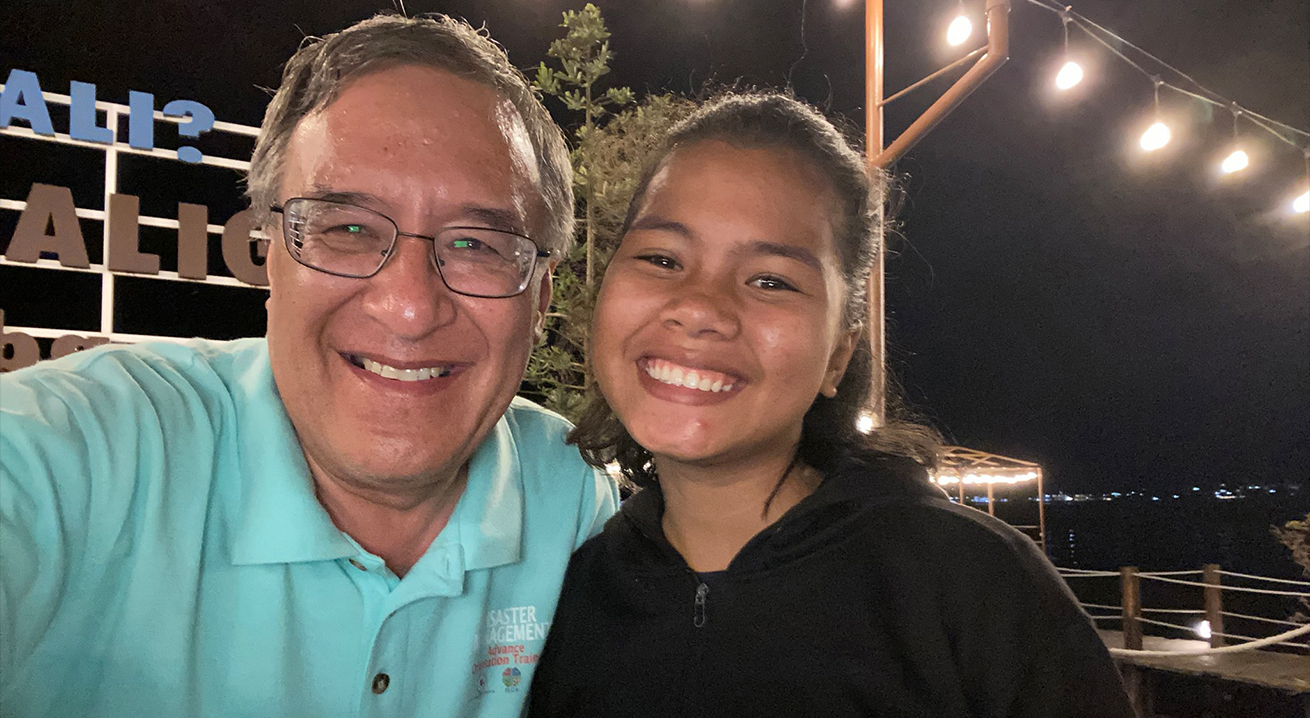
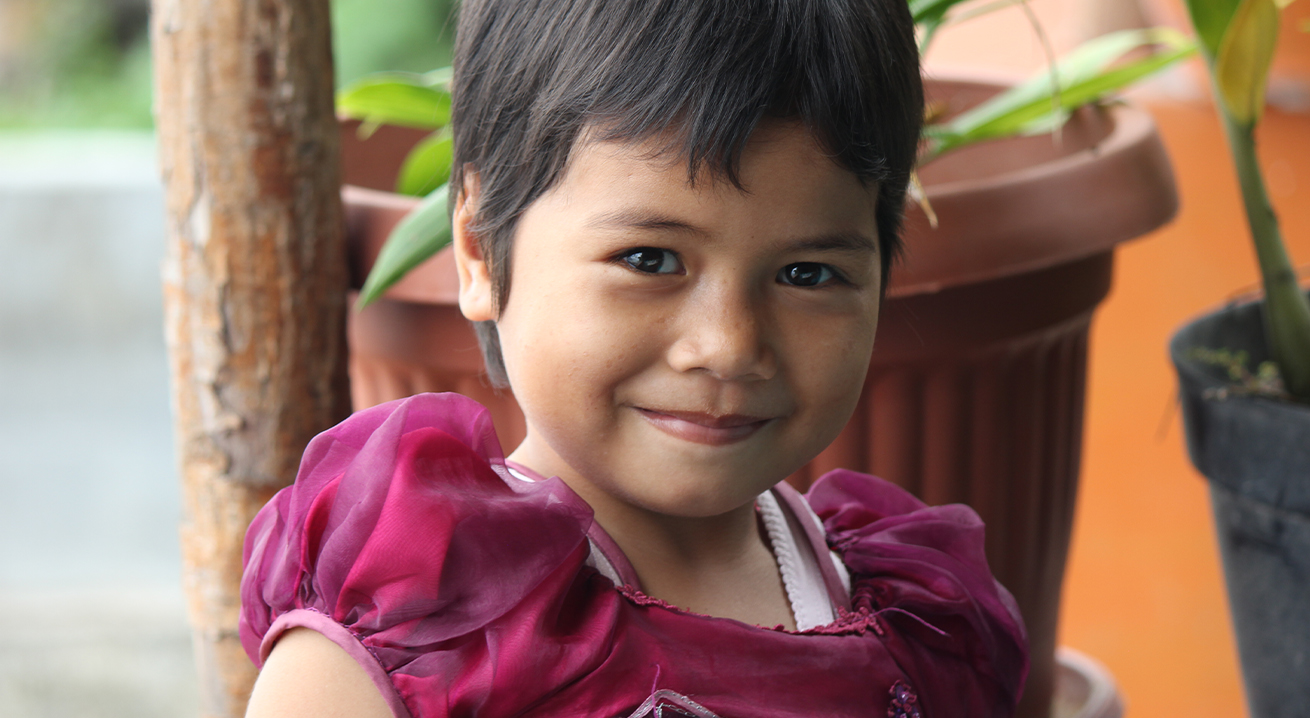

The ELCA was first introduced to Elida Senzenina Panjaitan (who goes by “Angel”) a decade ago, when she was 7 years old. Angel, who lives in Indonesia, was born with HIV and lost both her parents to AIDS when she was very young. Her older sister, then a high school student, couldn’t provide the constant, critical health care Angel needed, so she went to her church’s HIV and AIDS committee for help.
The AIDS Ministry of ELCA partner church Huria Kristen Batak Protestan (HKBP) in Indonesia began in 2003 as a small program based in one of the church’s hospitals. When Angel first came to the program staff, the ministry didn’t yet have the infrastructure set up to take care of children with her diagnosis full time. Still, they decided to take Angel in as a special case. She moved into the home of Sister Nurhayati, the committee’s director at the time.
Y. Franklin Ishida, ELCA program director for Asia and the Pacific, was introduced to Angel on one of his first visits to the HKBP AIDS Ministry. The program had received a grant from ELCA World Hunger, so Ishida was there to get an update and to build relationships with the staff. When he met Angel, he knew she had a potentially deadly disease but, to him, she just “looked like a normal kid.”
The ministry was helping provide everything Angel needed to grow physically healthy, including shelter, nutritious food and lifesaving medication. The program staff also provided the love and safety she needed to grow strong in confidence and spirit. She came to represent a great deal of hope for them and the community they served. Not only was Angel one of the first children to live at the ministry—she was one of the first children they cared for who survived.
“For me, as long as there are people with AIDS in this world, we cannot stop caring for them,” Nurhayati told Ishida in 2015. “They know that there are hands of God to help. They know that God loves them so much; I love people who are living with HIV and AIDS, too.”
True to this mission, the ministry has continued its care for Angel and others like her over the last 10 years. As Angel has grown, so has the HKBP AIDS ministry. It has become a regional program that offers many kinds of care for people living with HIV and AIDS, including diagnosis, treatment nutrition education and training in other skills that enable participants to live holistically healthy lives.
The ministry has also developed the capacity to provide full-time care for other kids like Angel, whose families aren’t able to give them the medical attention they need. Now, about a dozen children live in the ministry’s House of Love home. They have access to treatment there as well as other forms of support.
As the children become teenagers and young adults, they can participate in mentoring programs, peer support groups, life skills training and the other activities aimed at helping them grow into confident adults. In all aspects of their lives, they are valued and loved as equal members of a community.
“This is about hope”
In addition to addressing health issues, the HKBP AIDS Ministry leaders recognize the need to address human rights issues. Although it’s illegal in Indonesia to discriminate against anyone based on their health status, people living with HIV and AIDS still face a great deal of stigma in Indonesian society.
Ministry staff refer to cases of children with HIV being rejected from schools in the area and of young people with HIV being dismissed from jobs and expelled from churches. To combat these perceptions, the ministry leads community education efforts. One such program gives high school student volunteers the chance to write and perform skits designed to begin conversations with their peers about HIV and AIDS.
Ishida recently co-led a group of ELCA World Hunger donors to several ministries in the Indonesia where their gifts are at work. Having been part of several such trips, he finds that they help donors grasp what it means to be “church together” with our neighbors around the world.
“It’s hard to describe in words what’s happening” during visits with global companions, Ishida said. “It’s a feeling thing, and you can see it in their faces. You can feel it in their body language, their smiles and the tears sometimes. … To me, that’s church.”
“They always support, protect and encourage me in every situation.”
On this trip, the group visited orphanages, ministries working with young people living with disabilities, a deaconess school and the HKBP AIDS Ministry. Ishida has seen Angel regularly over the last decade. During their most recent visit, he took the opportunity to ask her what the ministry has meant to her since then.
Angel, now 17, shared that the AIDS Ministry staff—whom she calls “mothers”—give her strength and hope. “They always support, protect and encourage me in every situation,” she said. They helped shield Angel from those who couldn’t see past her diagnosis, enabling her to develop a strong sense of identity beyond her condition.
For Ishida, Angel’s experience is a powerful example of what the Lutheran church can accomplish through global fellowship. “Through the ministries of our church, life is generated,” he said. Angel’s story is about “just one person, one child. But you can imagine how this has been multiplied behind the scenes with other people, other children, other adults, and hope is given. Really, this is about hope too.”
When Angel graduates from high school soon, she dreams of continuing her education and eventually becoming a nurse so she can help people like her. Because of the relationships she has formed and the care she has received, Angel wants to care for others, multiplying hope as she continues to grow and thrive.