 Logout
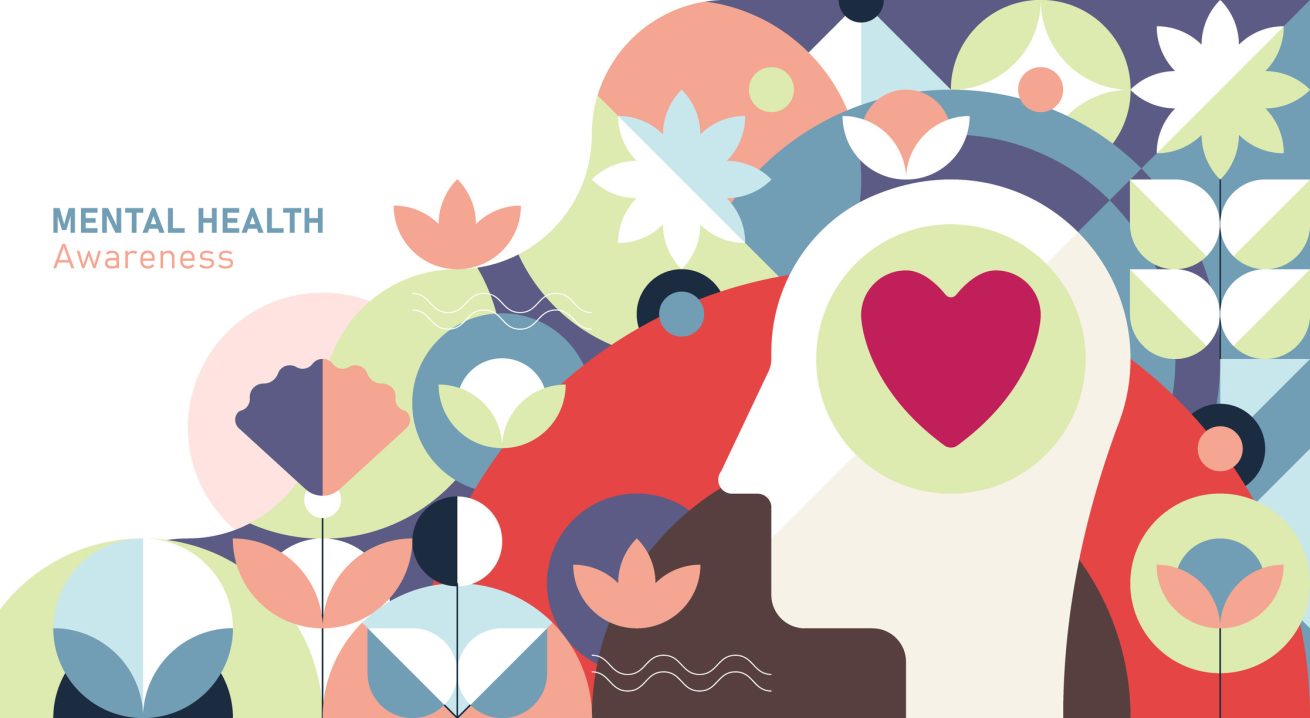
In a church that proclaims God’s care for people’s bodies, minds and spirits, tending to mental health is not separate from faith—it’s part of how we live it out. Yet the emotional and mental burdens many people carry today often remain unspoken.
During Mental Health Awareness Month in May, the National Alliance on Mental Illness (NAMI) is emphasizing the importance of prevention and community with the theme “Stigma grows in silence. Healing begins in community.”
That understanding is deeply rooted in the ELCA’s theology, said Chris Johnson, Portico Benefit Services president and CEO. “Through our social teachings and ministries, the ELCA has long recognized that health is not one-dimensional, but that it encompasses body, mind and spirit,” he said.
As the benefits ministry of the ELCA, Portico has used the Wholeness Wheel for nearly three decades as a central framework for whole person well‑being, recognizing that mental and emotional health are inseparable from our spiritual grounding, relationships, work and physical lives. Suffering in one dimension can have a negative ripple effect in other areas of our lives.
Prevention plays a critical role in mental health
For many people, mental healthcare still feels reactive—support we would seek only after stress, anxiety, or depression begin to interfere with daily life. But preventive mental healthcare deserves the same attention as annual physicals, routine healthcare screenings and other healthy behaviors, such as nutrition and physical fitness.
“The world can feel very heavy right now, and the environment definitely impacts our mental health,” said Laura Weiglein, head of products for Portico. “Preventive care for your mental health is just as important as it is for your physical health.
“ELCA Health Plan members have very strong preventive care habits for their physical health. That’s so important, because primary care providers are the quarterbacks of your overall health and wellness.”
Primary care providers routinely conduct preventive care screenings for depression and anxiety and talk to you about lifestyle as part of your annual exams and healthcare appointments. “If they see someone is starting to have symptoms, they’re going to direct them to resources so they can get the help that they need,” Weiglein said.
Reducing stigma, improving access
Reducing the stigma associated with mental health remains an important area of focus. According to NAMI, 8 in 10 workers say shame and stigma prevent them from seeking treatment for a mental health condition. This stigma can be especially discouraging for people in visible leadership roles, including pastors, caregivers and teachers.
Weiglein said the COVID-19 pandemic marked a turning point, reducing stigma and opening new pathways to care as more people needed help.
“With telehealth, if you can’t find a provider who meets your needs in your neighborhood, there may be someone in your provider network across the country who can relate to your situation,” she said.
At the same time, she acknowledges that even with expanded access, significant gaps remain, especially for children and families seeking behavioral health support.
Building resilience
Access to care and community support are essential, as is building our own resilience. It’s a preventive care habit we can use to help protect our mental health as we navigate life’s challenges. Spring Health™, a partner of 98point6® by Transcarent that provides mental health support to ELCA primary health benefit members, offers daily practices to grow more resilient, including:
- Decide what you can control and find ways to accept difficult events as out of your control.
- Focus on the present moment. Avoid thinking about what “should have happened differently.”
- Engage in physical activities that release endorphins.
- Identify interests that help you stay connected to others.
Finding joy and hope together
Along with preventive mental health screenings, seeking help when needed without fear of judgment, and developing resilience, people should continue to seek joy in their lives. “The world we live in right now is complex,” Weiglein said. “It’s not only OK but it’s important to find your own moments of joy and happiness.”
Spiritual well-being supports every dimension of our health, Johnson said, adding, “Being part of a faith community—a connected church where there’s a place for everyone—offers real hope. It’s where we support each other and walk together.