 Logout
As we approach another election season, how do faith and democracy intersect? Listening, in an engaged hopefulness, rooted in Christ’s hope and promise, is important to shaping the moment.
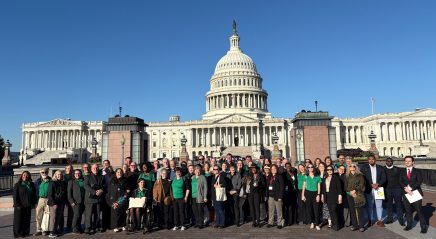
At the annual Lutheran Ethicists Gathering Jan. 7-8 in Washington, D.C., participants met under the theme “Lutheran Ethics and Democracy.” Amid rising authoritarianism in multiple parts of the world and questions around Christian nationalism surfacing in the United States and Europe, participants, panelists and speakers brought varied experiences and insights to the gathering.
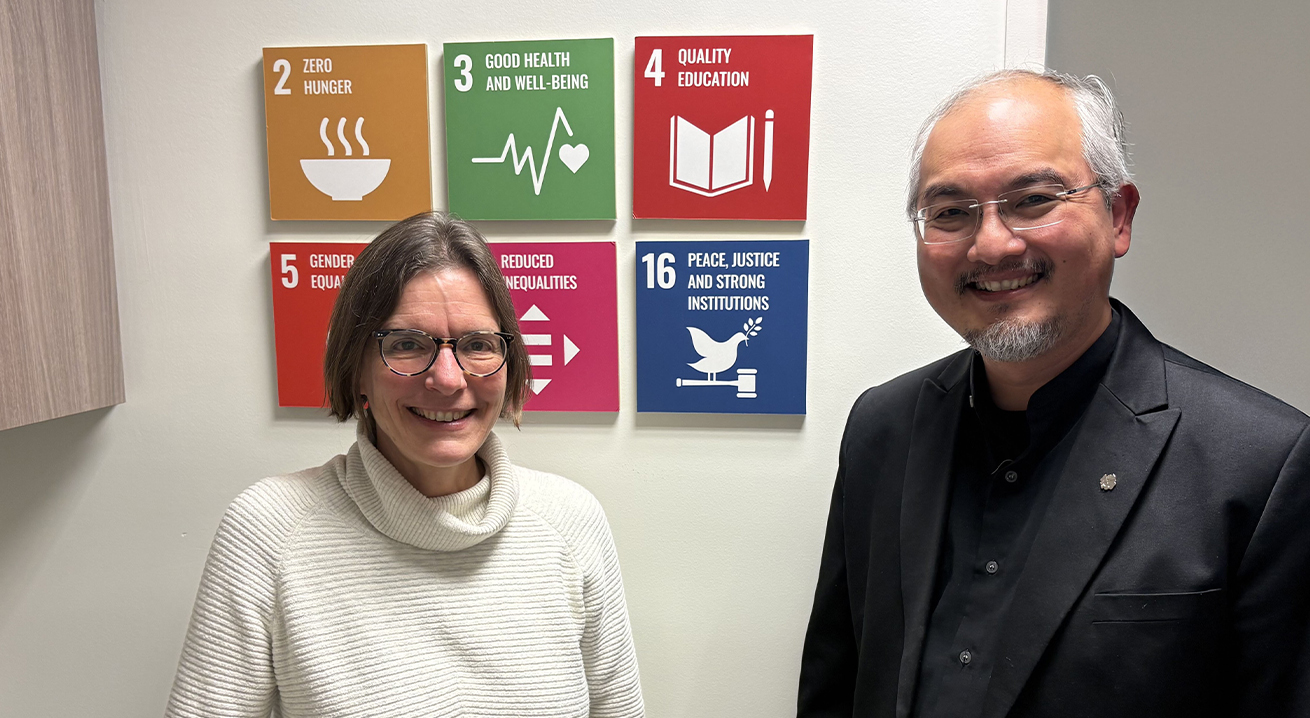
“What does a confessing church or confessing Christ mean in our sociopolitical moment—and how does hope inform our public witness today?” asked speaker Sivin Kit, director for theology, mission and justice with the Lutheran World Federation (LWF). “It’s about seeing, isn’t it? Not just a feeling, not naive optimism, but taking seriously pastoral lament, social grief and concrete prophetic action.”
Kit spoke about his personal experience and the LWF’s awareness of the circumstances facing churches in his home country of Malaysia, as well as Ethiopia, Finland and Hungary. In times of change and threat, common across each of these areas is a grounded hope in Christ’s promise of restoration—of community and of the world, he said. Listening to other churches in complex global and political contexts can be insightful for all of God’s people who are grappling with embodying hope and informing collective action.
“This invitation to us all is not to invent our own melody but to learn from churches who have been seeing this hope in the midst of an overcrowded noise of hopelessness and despair,” Kit said. The language of music he used was intentional. “I’ve never forgotten what it feels like to be a pastor on the ground,” he told ELCA advocacy staff. Sometimes words can only add to the noise—but joining in the music together shapes us and moves us forward.
Standing on Christ’s promise of restoration, and standing with one another in hope, is a beautiful and potent song. We can lean into our faith convictions in our public witness as Christ is present with us.