 Logout
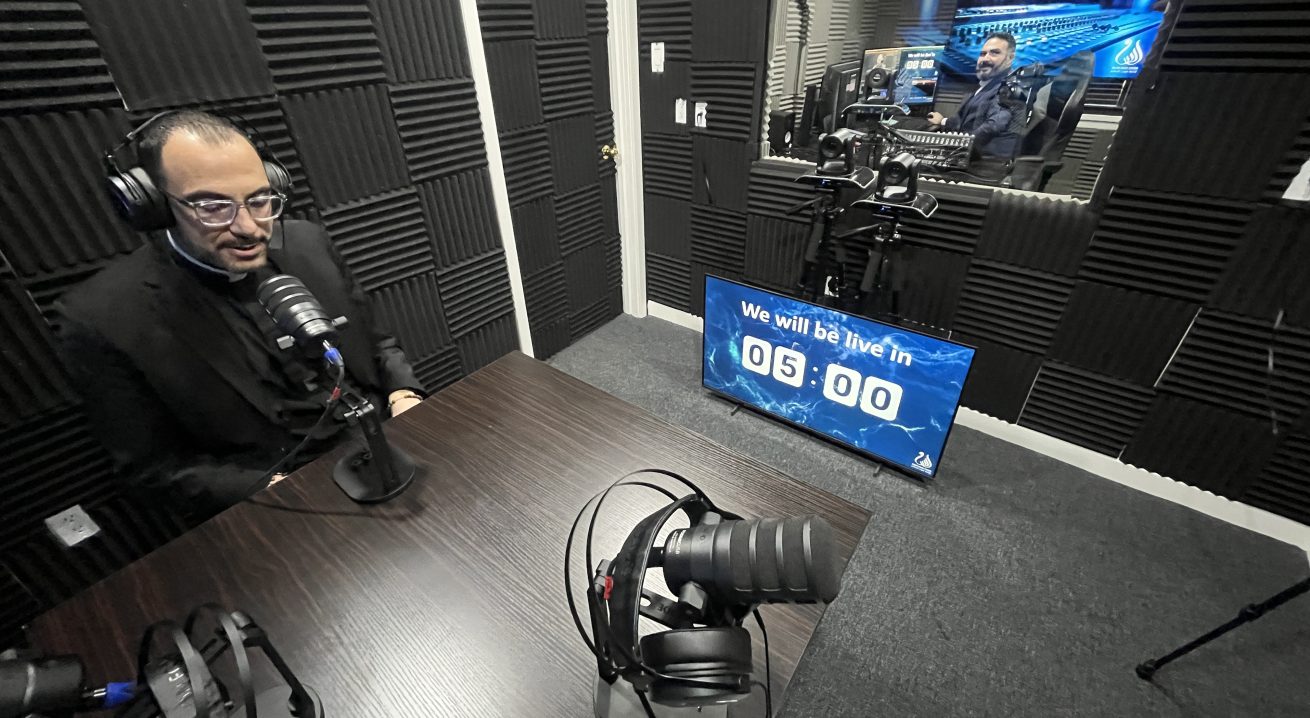
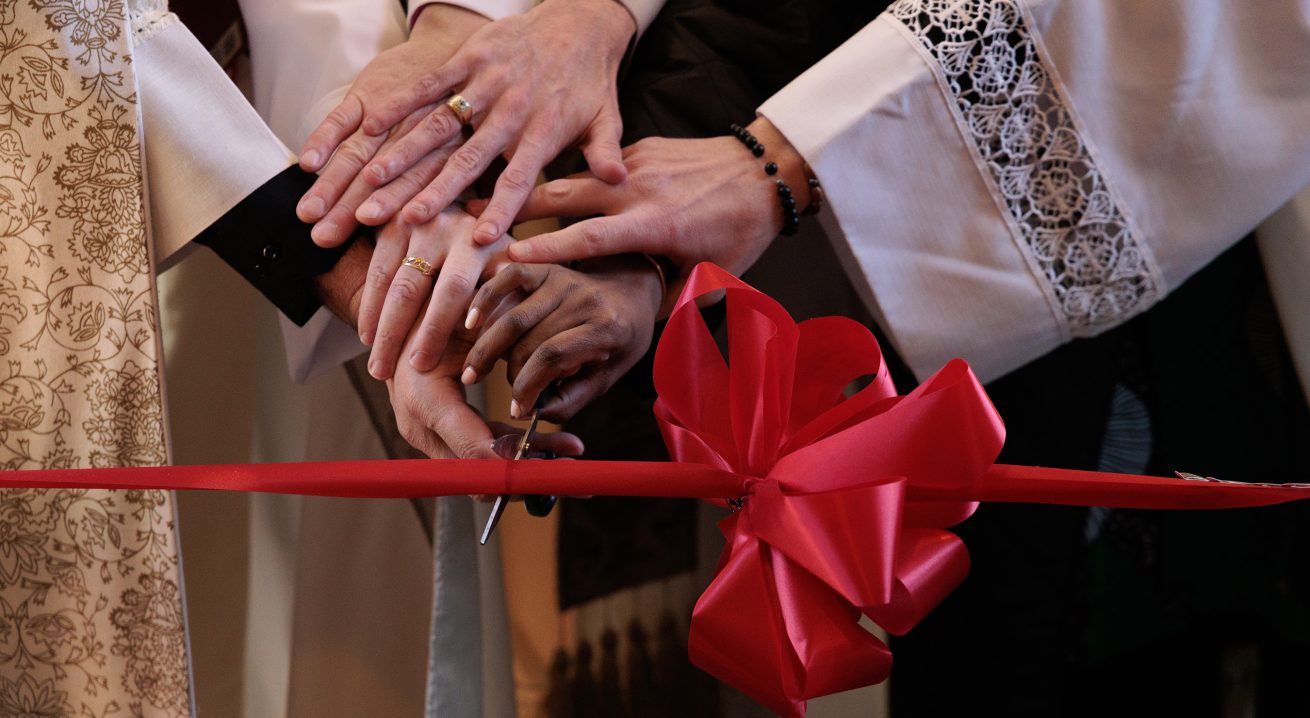
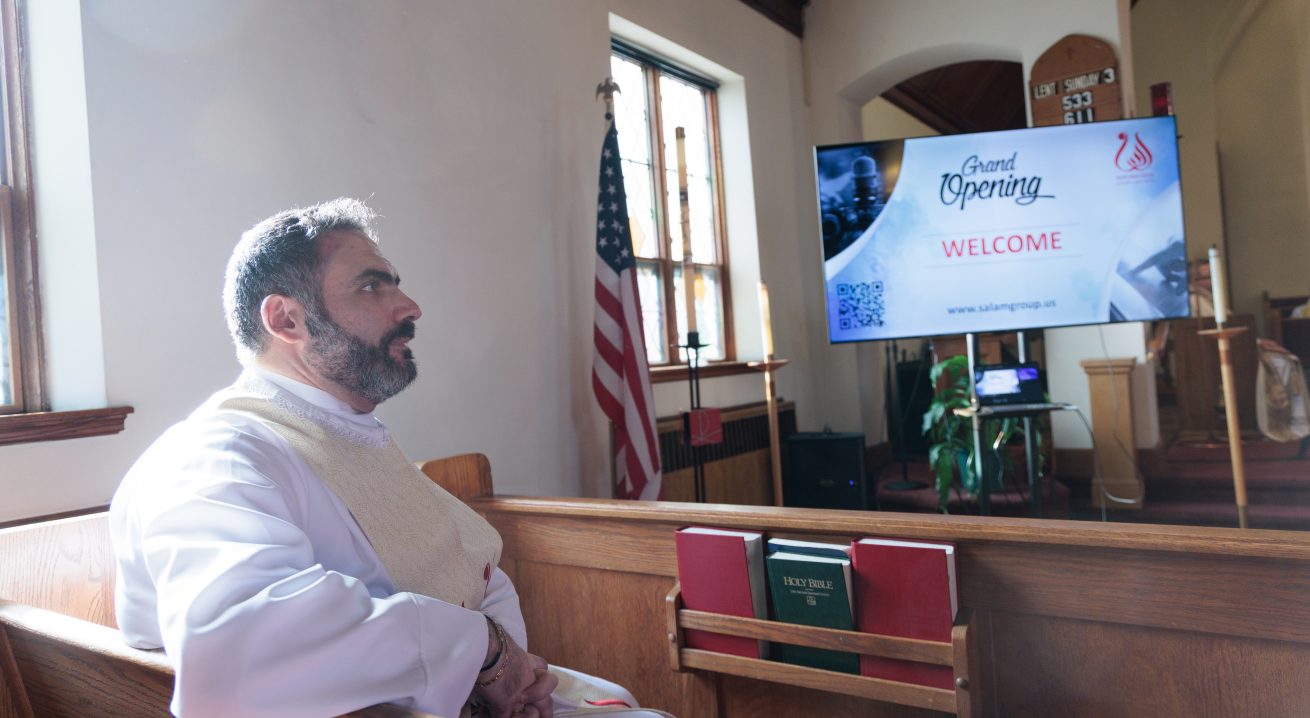
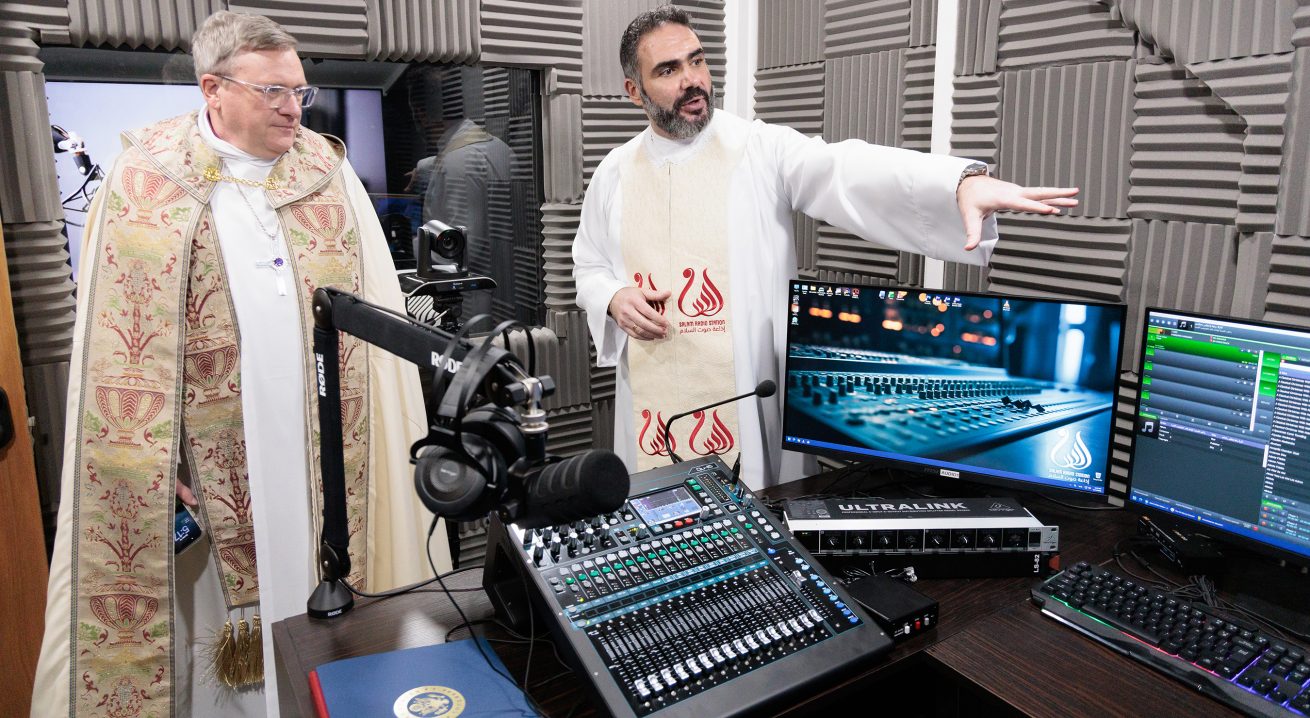
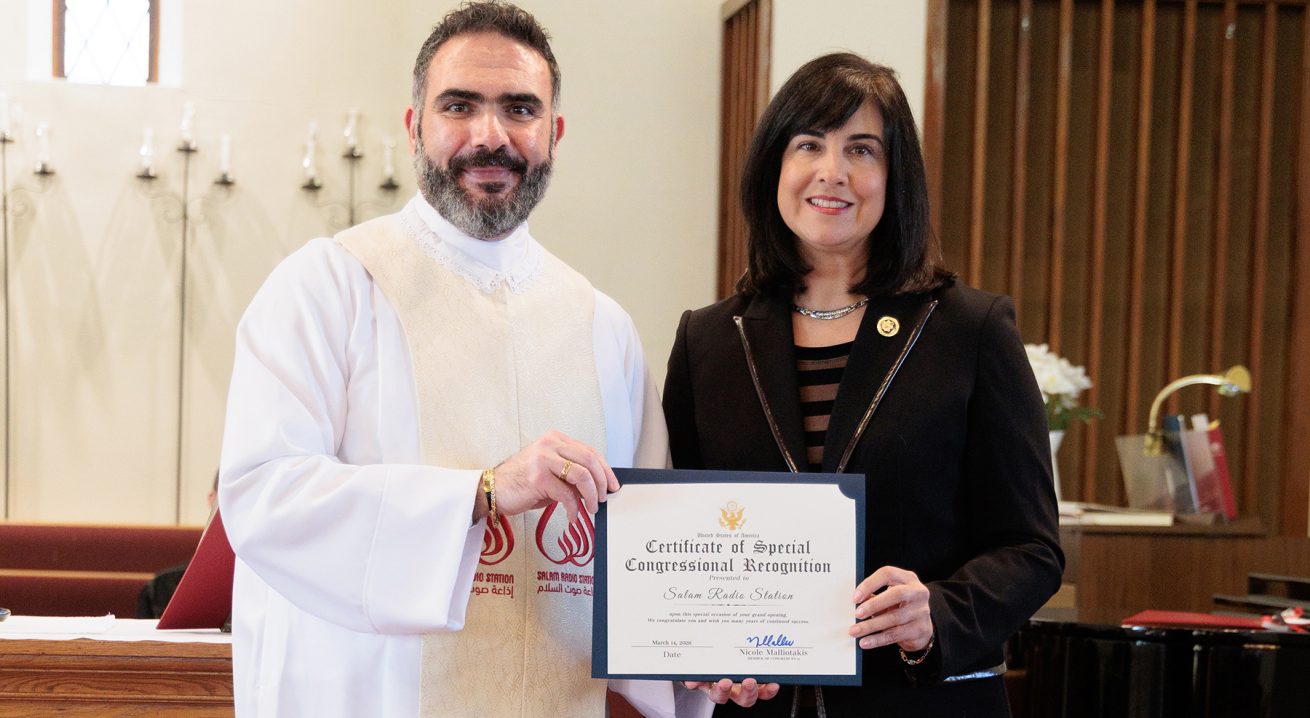

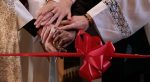
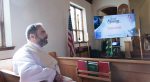
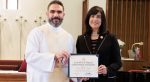
Community leaders, clergy and public officials gathered March 14 at Christ Lutheran Church of Staten Island, N.Y., to officially launch the Salam Radio Station, the first Arabic Christian ecumenical online media platform in the United States.
The launch comes as violence and conflict in and with the Middle East dominate global headlines. But organizers say Salam Radio is designed to amplify a different story—one of faith, resilience and unity among Arabic-speaking Christians whose voices are often overlooked or demonized by American media outlets.
“Salam Radio is more than just a station. It is a voice,” said Khader Khalilia, program director for Arab and Middle Eastern Ministries for the Ministries of Diverse Cultures and Communities (MDCC) team. In keeping with MDCC’s mission to support and empower diversity in the church, he applauded the initiative founded by Charbel Zgheib, pastor of Salam Arabic Church in Brooklyn, N.Y., that gives a voice to the voiceless, specifically: “a voice for the Arabic Christian community. A voice of faith, hope, encouragement and connection.”
Zgheib initiated conversations about starting the new platform during the COVID-19 shutdown. The pandemic had forced him to gain new skills and familiarity with online communication platforms, which had effectively sustained his connections with church members. He felt inspired to think bigger and expand his reach. But he first wanted to know for what purpose: Who else might benefit from his faith-focused messaging? Who else needed to feel empowered in their faith? Who currently lacked access to a dynamic Arabic-speaking Christian community like the one he serves?
Khalilia remembers Zgheib sharing the full scope of his “ambitious” plan after extensive research and countless meetings with church leaders and industry experts: Launching a full digital media platform would require funding, technical infrastructure and broad institutional support.
“God will provide,” Khalilia remembers Zgheib saying.
Collective support, collaborative start
Zgheib kept his faith and focused on making this ambitious vision a reality. With backing from the church’s Innovation team, Lutheran Disaster Response, ELCA World Hunger and partnerships with Christian broadcasters overseas—including Lebanon’s “Voice of Charity,” the first Christian station in the Middle East—the project gradually took shape. Community listening sessions in New York, Illinois, California and Michigan helped shape the station’s programming and mission.
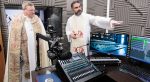
The launch of Salam Radio Station also aligned with a milestone moment for Christ Lutheran, as the congregation marked its 100th anniversary by seeking new ways to serve its community. Zgheib was searching for a home for the emerging radio ministry at the same time the congregation prepared for its anniversary—a convergence that Wolfgang Laudert, its pastor, embraced without hesitation. Throwing his full support behind the vision, Laudert helped make space for the station by renovating the top floor of the office building behind the church into a fully equipped broadcasting studio.
Salam Radio “is about restoring dignity to a people whose voices have too often been misunderstood or unheard. It is about creating a space where faith, language and identity come together as a living testimony of hope.”
Once a gathering place for the church’s youth group, the radio station’s new home base came with its own story of transformation. Before any work began, Zgheib and Laudert reportedly met with the youth to request their permission to repurpose the room. They stressed that the station would be a shared investment with the youth, as Zgheib sees their involvement in programming as essential to Salam Radio’s mission of connection and renewal. Salam Radio can be more than just a media platform. Zgheib says the station can provide a “ministry of presence, a space where people who feel disconnected, displaced or spiritually distant can reconnect with faith in their own language and cultural expression.”
The young people responded with enthusiasm, energized by the idea that their space could become a hub for reaching new people with important messages of faith and hope.
That spirit of shared ownership extended far beyond the church walls. From the earliest planning stages through the final installation, community members showed up in tangible ways by helping install technical equipment, contributing financial support and championing the station within their congregations. Many also took to social media to amplify the launch, spreading word of the new platform and inviting others to listen. Together, their efforts transformed Salam Radio from a hopeful idea into a community-built ministry, rooted not only in vision but also in the collective commitment of the people it aims to serve. That, Laudert said, is exactly what Christ Lutheran was hoping to find when church leaders decided to celebrate its centennial by investing in the greater community.
“Salam Radio is not simply about broadcasting,” Zgheib said. “It is about restoring dignity to a people whose voices have too often been misunderstood or unheard. It is about creating a space where faith, language and identity come together as a living testimony of hope.”
Connections across traditions
Unlike many faith-based media outlets that represent and cater to a single denomination, Salam Radio was intentionally built as an ecumenical project. The station seeks to connect Arab Christians across denominational lines—Orthodox, Catholic, Protestant and Evangelical—while also strengthening ties with American congregations that support immigrant communities.
“Salam,” the Arabic word for peace is both the station’s name and its mission.
Salam Radio operates as an online-first media ministry, combining traditional radio broadcasting with modern digital platforms. The station includes a website, social media channels and a mobile app available through the Apple App Store and Google Play, allowing listeners to tune in from anywhere.
Programming streams 24/7 and features:
- Arabic-Christian music
- Scripture readings and sermons in Arabic
- Conversations on faith and social issues
- Community storytelling and cultural programming
- Opportunities for prayer and spiritual reflection
Organizers say the platform is designed especially to reach younger generations and those who feel disconnected from traditional church life, including people who have experienced conflict or displacement.
“For many Arabic-speaking Christians living far from their home countries, hearing their language connected to their faith is powerful,” Zgheib said. “It feels like home.”
Tuning into new narratives
For Zgheib, the significance of Salam Radio goes beyond religious broadcasting. It represents a deliberate effort by a historically underrepresented diaspora community to shape its own narrative.
Arab Christians from countries such as Lebanon, Palestine, Syria and Iraq have long contributed to American religious life, yet their stories rarely appear in mainstream media coverage. Instead, discussions about the Middle East often focus on war, political conflict and displacement.
By contrast, Salam Radio seeks to highlight faith, cultural heritage and humanitarian values, offering programming that encourages dialogue, dignity, peace and acceptance.
“Today we celebrate more than a radio station,” Khalilia said. “We celebrate perseverance, faith and partnership.”
As the station begins broadcasting from Staten Island, Zgheib hopes the platform will reach far beyond New York—connecting Arabic-speaking Christians across the United States and around the world with a message he says is urgently needed.
“Salam,” the Arabic word for peace, he notes, is both the station’s name and its mission.