 Logout
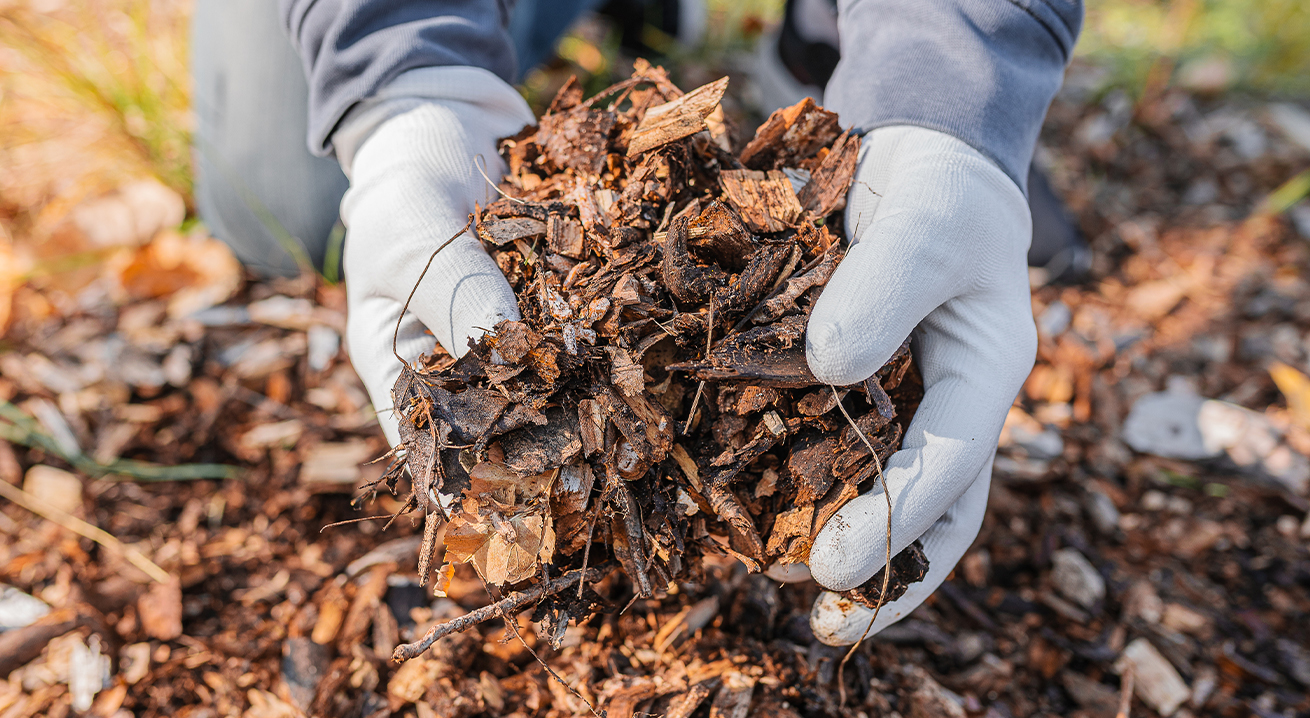
All of creation has embodied experiences and revelations of God—they are our greatest source for knowing God. Human beings, along with all of God’s created, participate in theopoiesis—making and being made by God. The divine process of compost shows us this communal relationship between God, creation and human beings, enabling us to practice and preach resurrection in our daily lives.
God works with both humanity and all of the nonhuman creation to bring about God’s promises. We know this because we have experienced or witnessed it.
Before resurrection, there is stench. As someone who has spent a lot of time composting, I know this stench well. For two years, I lived at Holden Village, a remote, off-grid, Lutheran community. While there, I was responsible for physical waste, including compost. After every meal, anywhere from 50 to 450 people would scrape their plates into compost bins that I would later collect and dump into one of two huge “earth bins.” These insulated bins hold 2,000 pounds of compost and carbon matter (wood chips, cardboard, leaves or paper towels), which are shredded together by the electrical auger attached to the lid.
As I combined food waste (nitrogen) with carbon matter, life-giving oxygen was mixed in, creating a happy environment for the microbes that make compost happen. Master composters will tell you the process doesn’t have to be messy or smelly—that if you get the ratio between carbon and nitrogen just right, the compost is stench-free. This has never been my experience. After a full day working, that sweet, rotting smell stuck to me, trailing behind wherever I went. It infused my clothing, hair, nails and skin. Other people would comment on it when I sat next to them for dinner. Flies even started following me around.
The stench lingered. After a shower and load of laundry, I would still get whiffs of it. Over time, however, it started becoming less foul to me, becoming a friendly reminder of the important, albeit messy, work I was attending to on behalf of the community.
One day, something magical happened when I opened the bin. There was no smell! I felt like doubting Thomas because I couldn’t believe what I wasn’t smelling. I needed something more to fully comprehend what had taken place. I reached my hand into the body of the compost, and instead of feeling something warm and slimy, I found cool, light soil. Was it possible that the compost had transformed itself? I pushed my hand farther in, feeling fluff the whole way down. Bringing the soil up to my nose, I took a sniff. It smelled delicious! Earthy and deep, recalling flower beds and forest floors.
An embodied revelation
We know of the resurrection of Lazarus because it was written down in the Gospel of John. But how did Lazarus or his sister Martha know that he was raised from the dead? It may seem like a silly question to ask, but it’s an important one. Earlier in John, a young blind man is healed by Jesus. When asked about the act, he says, “Though I was blind, now I see” (9:25).
Perhaps this is how Lazarus knew of his own resurrection. When asked what had happened to him, he may have said, “I was dead, but now I live.” And maybe Martha took an approach more like Thomas when he learned of Christ’s resurrection: through physical touch (John 20). Perhaps Martha needed to put her hands on her brother’s shoulders and feel his sturdy frame to fully understand the miracle that took place. In simple terms, the way Lazarus and others knew of his resurrection was because their bodies experienced it.
As Lazarus and Martha experienced, God reveals Godself through our embodied life. Our bodies, therefore, are our most prominent sources of revelation and experience of God.
My moment of compost revelation was an embodied one. I didn’t believe the transformation from food waste to soil until I smelled, felt and even tasted it. I needed to touch the resurrected, to feel for myself what had happened. When I did, I had more than a simple realization that this is how compost works—I had a deep knowing that this is how God works. Lazarus was called from the dead. Through participating in the creative process of making compost, I was involving myself in the divine and embodied process of resurrection.
It was the first time I had witnessed resurrection, and it brought an overwhelming sense of God’s immanent power.
Such an experience leans into the messiness that is the human struggle to imagine God. In forming our imperfect theologies, metaphors and images for God, we are co-creating with God our very imaginings of the Divine. Being co-creators brings us closer to God and draws God closer to us. While I was practicing theopoiesis with God when making compost, an important third character was also participating with us: the compost itself. In trinitarian fashion, the three of us were working together to create the miracle of resurrection.
The original creation act in the book of Genesis was performed by God, then given by God to all of creation. We need only look at our neighbor’s pregnant cat or a cement parking lot filled with dandelions to see that all of creation has the inclination to be creative. Included in our gift to create is our ability to theologize, wherein humanity can imagine and wonder about God. But, in society and in Christian history, we have often done so in our own image, developing theologies that center and prioritize human bodies—namely, white, male, “able-minded and able-bodied” ones.
Such theologies can lead to concluding that humans are the only part of God’s creation that experience and reveal God. However, through our own communion with creation and God, we witness creation’s revelation and agency. In my experience with compost, I’ve received a glimpse of this.
When I realized what had taken place in the earth bins at Holden Village, I was in awe. It was the first time I had witnessed resurrection, and it brought an overwhelming sense of God’s immanent power. I had seen, felt and tasted God in action, understanding my own participation—and limitations—in that action. The composting process wouldn’t have happened if it was just up to me.
I also understood the compost’s processes of decomposition and resurrection into soil as a form of praise for God. Creation may not praise God in the same ways we do, but that doesn’t mean it can’t shout its own praises. The compost praised the Creator by embodying the resurrection promise, showing all of creation what God can do with a few coffee grounds, black beans and a willing participant. God created a whole cosmos in one moment and soil for a garden in the next, keeping and sharing the promise that resurrection is possible for all.