 Logout
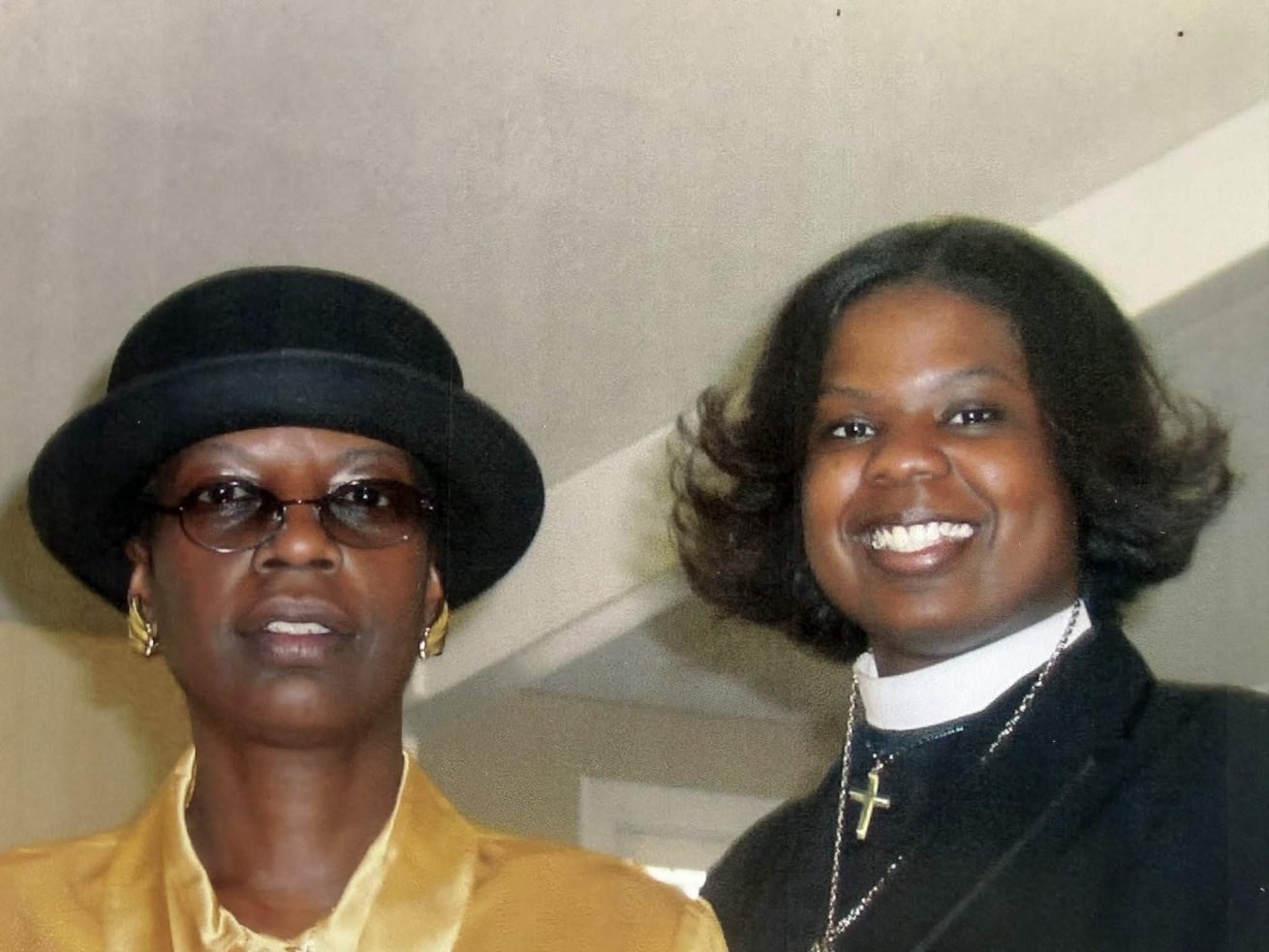
My mother had the most sumptuous deep dark chocolate skin, full lips, large African nose and big beautiful eyes. She had a unique sense of style and a calming way of being. She chose the best fragrances that finished the whole experience—touching all the senses. I remember watching people come to her as a child. Some wanted to drink from her wisdom. Some were struck by her confidence and beauty. Others just wanted to laugh at her clever, inviting jokes. She made them feel both seen and safe. She had a fair share of friends, family and fans.
I witnessed her taking the last of what she had and using it to care for multiple people. Even as she figured out how to be a daughter and caregiver to her mom while raising two girls, she helped other people—giving them a place to stay and healing them with her Black joy. She seemed unstoppable. She made a way out of no way.
I remember a time when she took in my two cousins who are around my age. It felt like fun to us. We were too young to appreciate the financial, physical or mental weight it brought with it. It was just fun-having two extra siblings. Watching the world continue to lean toward her, we felt invincible and blessed. She worked at Goodwill that year as a supervisor and, when Christmas rolled around, we got the best gifts. I still wonder how she did it. We still nostalgically think back to the “Goodwill Christmas” with fondness—not just for the gifts but for the time together.
Looking back, I think it had to be Black joy. It eclipsed the weight and heartache of the reality of a woman coming out of the pain of divorce and welcoming added responsibility. She emulated the example that her mother showed her as a young widow when her husband died leaving her alone with two small children. She embraced the possibility and crushed the seemingly insurmountable odds.
Black joy is God-breathed. It’s the mystical resilience of African ancestry. It’s the personification of hope. It seeps up from the ground beneath our feet. It pours down from the sky. It blows every way the wind goes and glides through the stillness of when the wind stops. It leaps in the darkness of night and in the brightness of day. It’s edified by all things because it extracts the good from all it encounters. It is unmistakable. It has nourished millions and has not been depleted by even a drop. Black joy is so immense and so powerful that it cannot be destroyed. It walks in the surreal balance of arrogance and humility from the power and promise of God.
It’s easy to be distracted by other things and forget the access we have to Black joy. Then we get glimpses to remind us. Like Venus Williams who was the oldest player in the Australian Open women’s singles. Or like the passing away of Claudette Colvin, who at the tender age of 15 defiantly refused to give up her seat on the bus nine months before Rosa Parks did. Or like the election of Yehiel Curry as presiding bishop, an African descent person serving in the whitest denomination in the United States.
Black joy is an undercurrent that makes the good times better and the hard times bearable. It’s infectious and cannot be imitated no matter how hard one tries. It is the laughter, joy, love and excitement of God showing up as amazing energy in people of African descent who tend to let it flow to anyone in reach. It’s the Vibranium (from Black Panther) of real life and explains the unmitigated gall of Black people to excel irrespective of circumstance. It’s the rhythm of the earth in step with the rhythm of God’s heartbeat. Can you feel it? Black joy.