 Logout
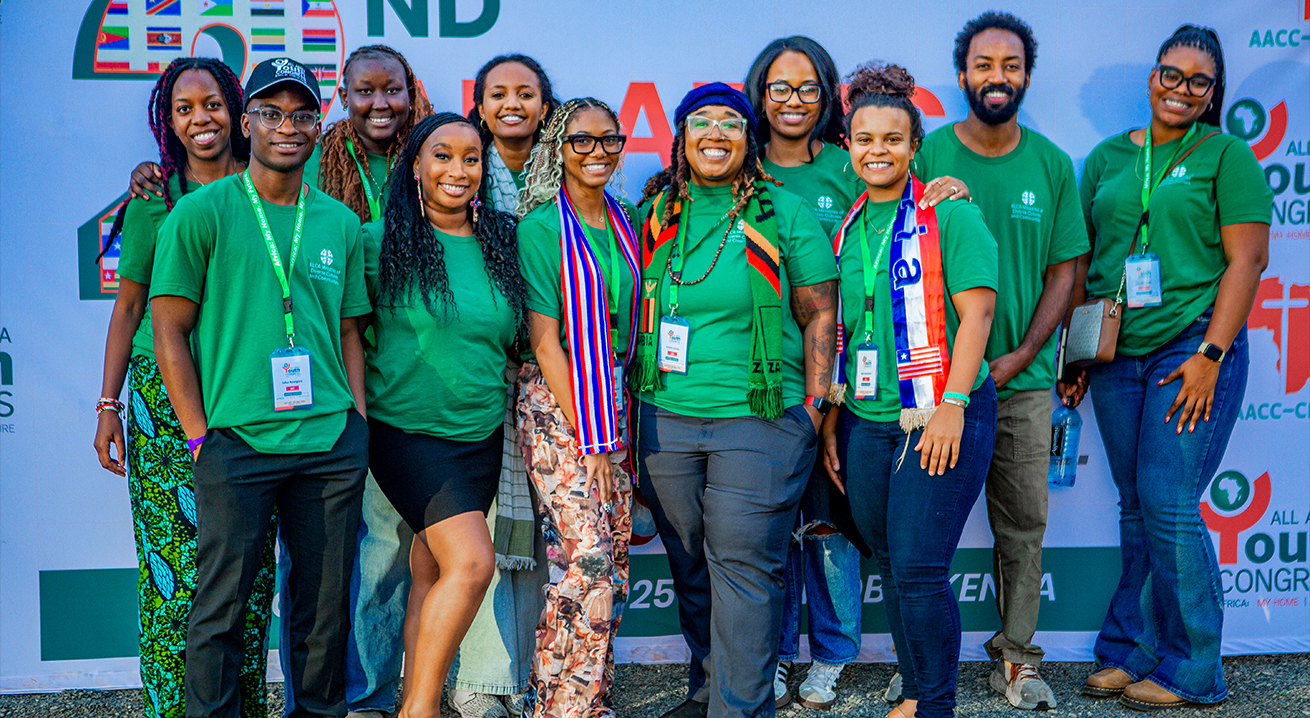
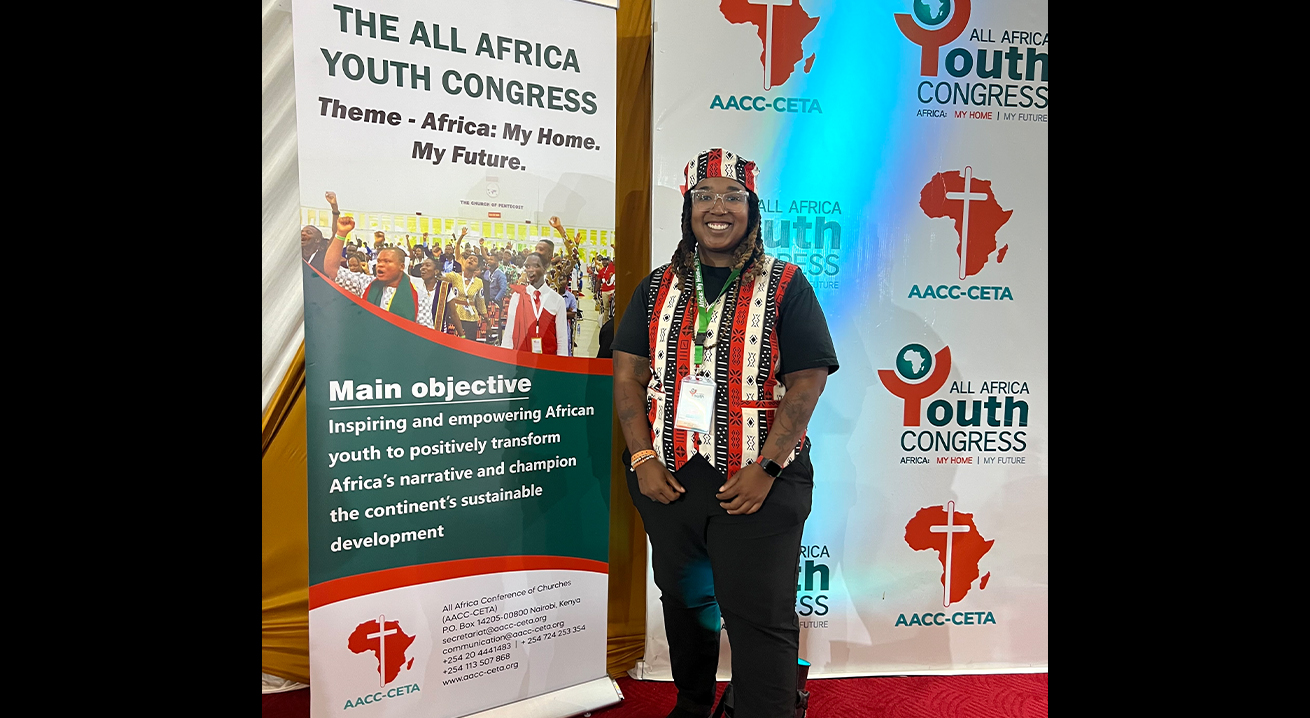
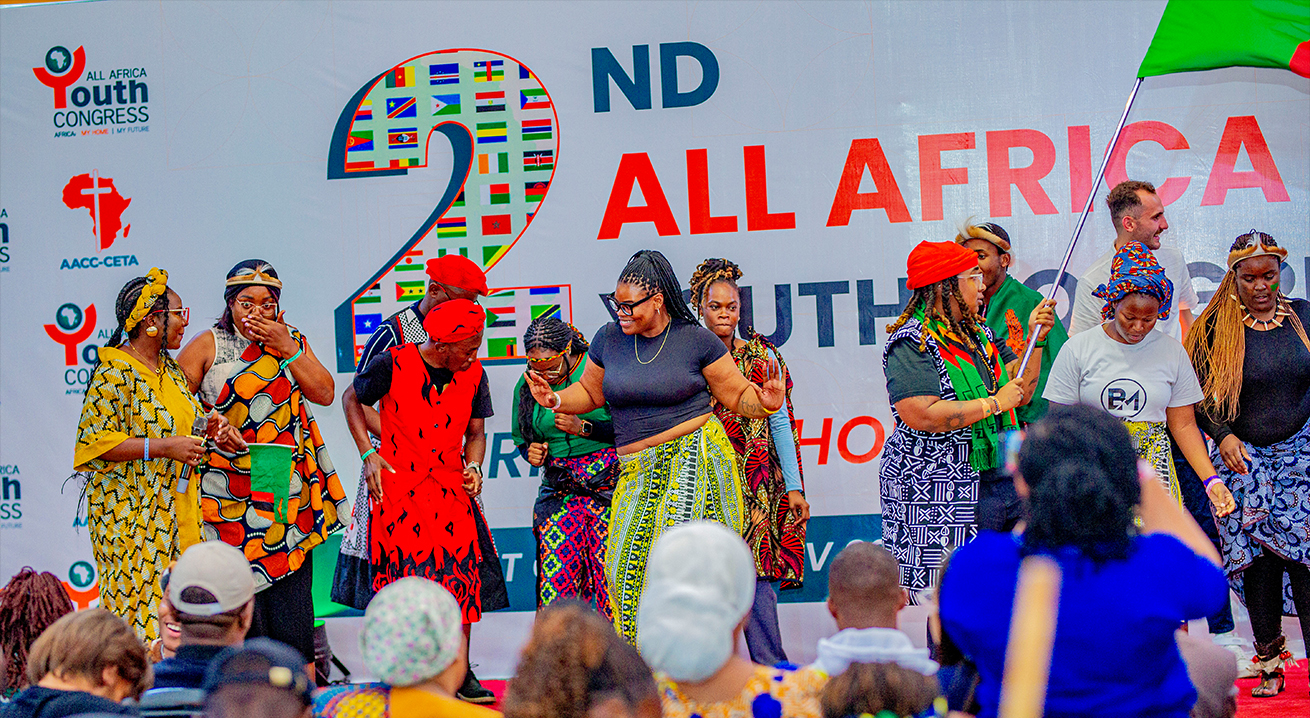
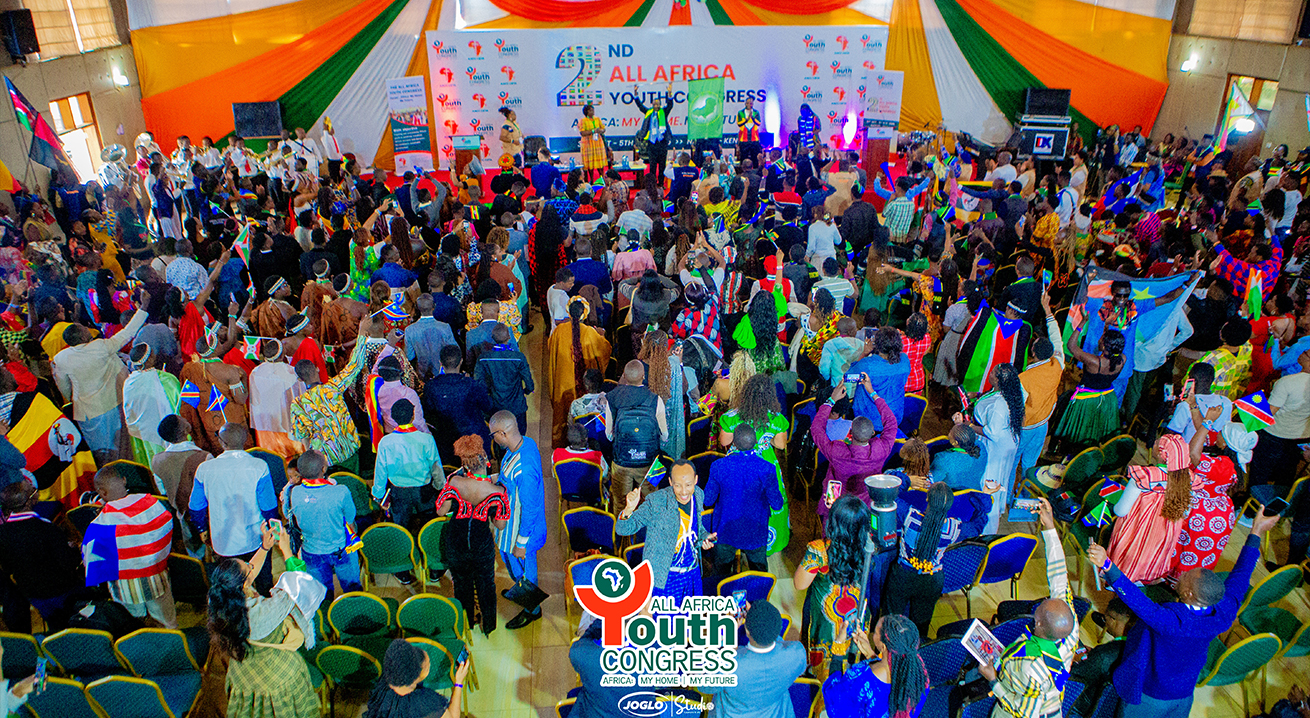


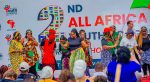

In November, thanks to support from the Service and Justice unit’s Ministries of Diverse Cultures and Communities, I was one of 11 delegates to the second All Africa Youth Congress, hosted by the All Africa Conference of Churches in Nairobi, Kenya. I was deeply grateful for this opportunity, and to ELCA pastor Nicolette Faison, whose nomination and belief in my voice and leadership made this experience possible.
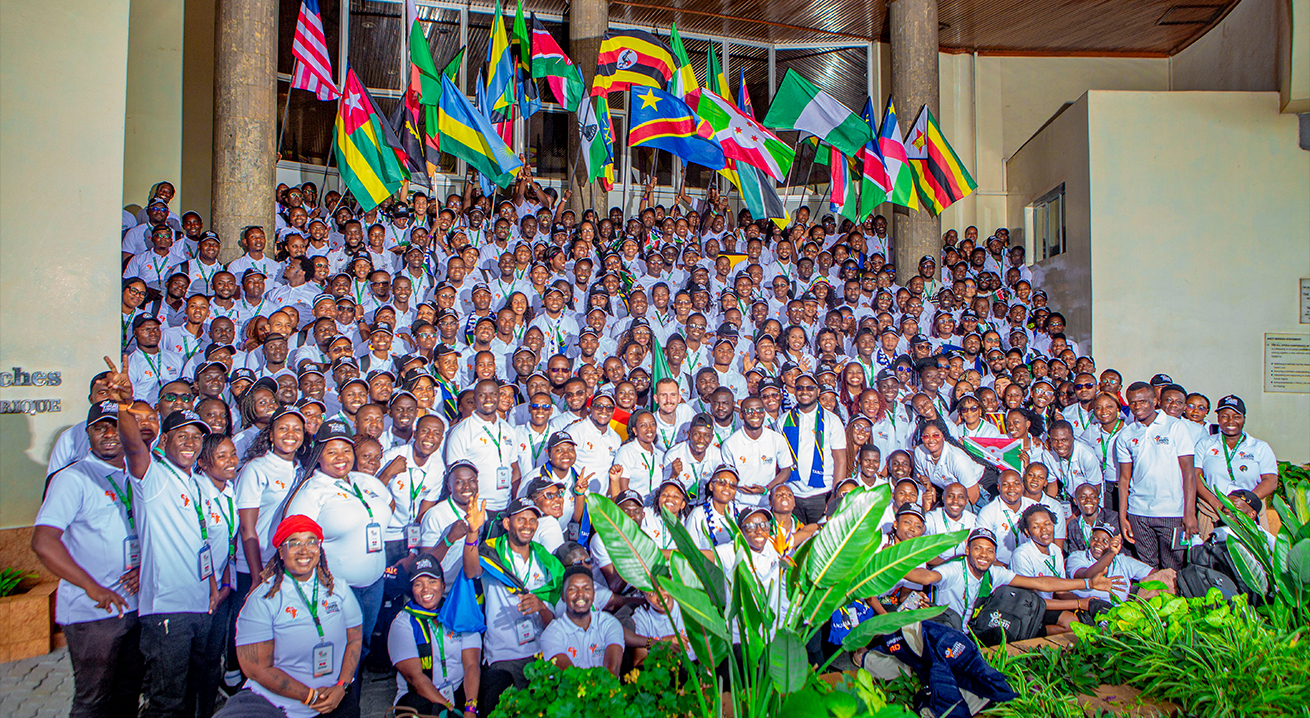
Gathering more than 500 young leaders (including over 100 Lutherans) from 40 African countries and the African diaspora, the congress was far more than a conference. It was a powerful space for stories, celebration, expression of identity and faith, and a shared vision for the future. Centered on the theme “Africa: My Home. My Future,” the congress resonated in ways that were both personal and profoundly collective.
For myself and for many, this resonance was not abstract—it was lived. I grew up in Tennessee, removed from Africa by distance and time. Yet, stepping onto Kenyan soil was a homecoming that carried an emotional weight, reconnecting with a part of myself that has always lived within me, even across oceans and generations. The theme meaningfully captured the duality of my identity, the longing for the continent that shaped my ancestors, and the responsibility to contribute to the future we collectively imagine. Surrounded by passionate youth, I was reminded that the African story is still being written through leadership, creativity and community action.
My colleague Laresha Love, a youth delegate from Milwaukee, and I were invited to represent Zambia by our Zambian brothers and sisters, and from the moment we arrived, we were welcomed with open arms. As someone in the diaspora who isn’t sure of my specific African roots, that welcome meant everything to me. I was embraced, loved and reminded that Africa is indeed both my home and my future.
Throughout the week, that sense of belonging deepened through late-night conversations, shared meals, songs, prayers and laughter. In those moments, Love named what we were both experiencing when she spoke of encountering “the heartbeat of Africa.” Her reflection stayed with me, especially her reminder that “the bond between the continent and the diaspora is not broken, it is waiting to be renewed.”
The congress became a space where I was not only present but shaped. I experienced it as a place of learning, truth-telling and courageous dialogue. The sessions addressed “youth leadership and good governance, peacebuilding and conflict transformation, climate justice, migration and faith,” Love said. These were not passive discussions. “They were bold, honest and sometimes emotional conversations,” where we challenged one another and committed to becoming “builders of solutions, not just observers of problems,” she said. I felt that challenge personally, and I left with a renewed sense of responsibility for the role I carry as part of the diaspora.
A unifying truth
What made the experience even more powerful was the spiritual unity that served as the yarn connecting the entire event. Apu Seyenkulo, a youth delegate from Chicago living in North Carolina, captured this beautifully, noting that the congress brought together young people from across Africa and the diaspora to confront issues that transcend borders, peace, ethical leadership, humanitarian responsibility, respect and advocacy.
Though we came with different histories, cultures and perspectives, God was the common thread. “You could feel the Holy Spirit in the halls, moving, dancing, rejoicing in the unity of his people,” Seyenkulo said.
Faith emerged as a central unifying force of the gathering, particularly for those whose identities have felt fragmented. Seyenkulo said the congress strengthened her understanding of the role spirituality plays in shaping her identity. Growing up as a biracial member of the diaspora, she spent much of her life trying to understand where she fit in and which labels best described her experiences. In Nairobi, the congress offered a grounding moment of clarity. Surrounded by faith, fellowship and shared purpose, she was reminded that regardless of place, culture or how identity is named in different settings, the most constant and unifying truth is that we are all children of God.
“The bond between the continent and the diaspora is not broken, it is waiting to be renewed.”
I witnessed that unity firsthand. Our differences did not divide us; they sharpened our conversations and strengthened our commitments, leaving me encouraged and grounded in hope for what we can build together. Delegates are all still connected today, and I look forward to continuing to build these relationships, foster change and do justice together.
Daudi Msseemmaa, ELCA regional representative for East Africa, agreed: “Organize and share—these are the two themes I took away from the congress. Organize means that young people gain a voice when we work together, that one plus one can be greater than two—and that we don’t have to follow the ways of the elders when those ways are oppressive. Share means that the talents of youth can be used to build one another up when the right platforms exist.”
Beyond those calls to action, my time in Nairobi affirmed something I’ve always felt but rarely experienced so tangibly: Africa is home, even if I wasn’t born within its borders.
Leaving the conference, I carried with me a renewed sense of purpose. I am committed to strengthening the bridges between the continent and its global diaspora, amplifying African voices and contributing to a future where Africa stands confidently on the world stage, united, visionary and unstoppable. I also leave with the hope that the ELCA will continue to grow its commitment to meaningful partnership across the continent by deepening connection, collaboration and mutual support with churches and organizations doing transformative work there.