 Logout
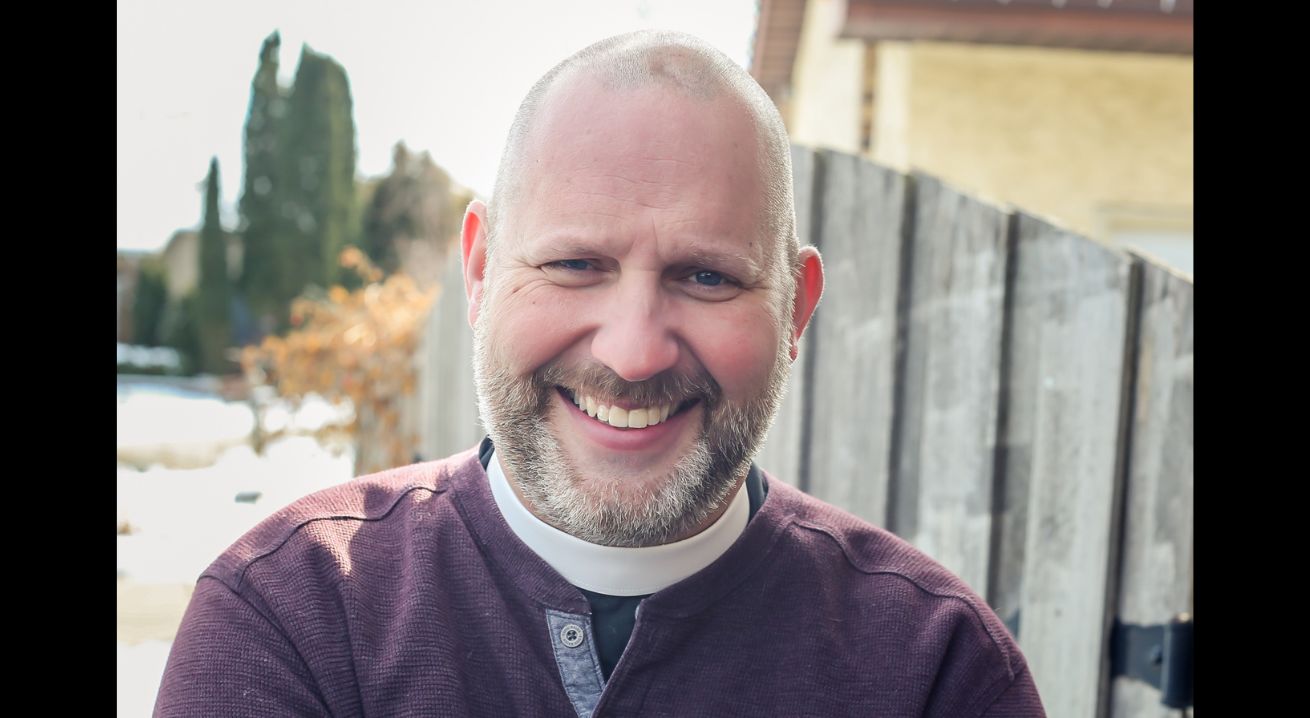
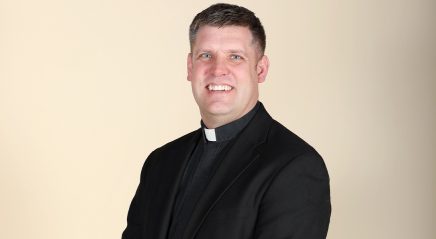
Elected May 16 as bishop of the ELCA Saint Paul Area Synod, Justin Grimm believes that everyone in God’s family has gifts to use in our work of transforming the world.
Grimm, who served as the synod’s director for evangelical mission and assistant to the bishop for congregational vitality from 2015 until he began his new role, spoke with Living Lutheran about the importance of living into our God-given gifts and dreaming big even amid fear.
Living Lutheran: What is your vision for the future of the synod? What do you see as its biggest priorities?
Grimm: My vision for the synod is simple: every person is a missionary, every pastor and deacon is a mission director, and every congregation and ministry site is a mission outpost for the sake of the world. This vision is rooted in my hope that everyone—no matter if they are in the church or not—will know the love of Jesus Christ.
I believe that we as the church are called to transform the world, and my hope for our synod’s 106 congregations and mission starts is that each one of them can live into their gifts to proclaim the love of Jesus in a way that does just that. I am a huge believer in spiritual gifts and in the abundance of God. We have all we need in Jesus, but we often lose sight of that and let fear of scarcity creep in. I hope to lead in a way that empowers everyone connected with this synod to live into God’s abundance and use their gifts to change the world. Congregational vitality is my passion, stemming from my resurrection belief that God will continue to surprise us, again and again.
I want to lift up our work with Children, Youth and Family (CYF) leaders across our synod and strengthen relationships with our campus ministry partners and global companions. We have so much to learn from those partnerships. I also plan to listen and learn from our cross-cultural mission developments and redevelopments, highlighting their voices and nurturing their leadership.
How did you feel when you were elected?
I am not sure if I can explain it! When it looked like it might happen, I started mentally preparing, but when it was announced, it still shook me a bit. I stand on the shoulders of so many people who helped me grow in my ministry, and in that moment, it was moving to think of those who have shaped me. After the initial joy and celebration started to ebb, the weight of the office became real. I’m humbled to be able to serve in this way.
What experiences in your ministry do you feel have best prepared you to serve as bishop? What have you learned in your ministry that you might incorporate into your approach to leading the synod?
I was a mission developer when I first started ministry, and that’s all about empowering others around you and being present in real ways in a new community. I feel the office of bishop likewise demands that: recognizing gifts, empowering people to see the gifts in themselves and giving them the encouragement they need to live them out.
The proclamation of Jesus was essential to my work as a developer, and I think—more than ever—we as Lutherans need to reclaim our evangelical voice. I helped lead efforts in our ministry to help folks feel comfortable sharing their faith story. I often say we suffer from “Lutheran laryngitis,” and it’s time we get over it!
I’ve also learned that the ups and downs of ministry are real and intense. It’s important to have deep spiritual grounding and live from a place of hope.
I’ve experienced what it’s like working in administration, moving through conflict, supporting our churches’ mission and raising funds. I feel those gifts will be paramount for my work as synod bishop.
Is there anything else you’d like to share?
I used to coach baseball in the summers. On the underside of my hat bill, I wrote the words “Fail Harder.” This was my mantra for my team: take risks and don’t be timid, because you might miss the opportunity to make a play.
Life and ministry are places where we need to fail harder, taking risks for the sake of the gospel. Dream big and allow God to work, and if things don’t pan out the way you thought they should, that’s OK. Failure really isn’t failure when we learn things along the way.