 Logout
In downtown Phoenix, where glass high-rises and new developments have replaced what was once a low-income corridor, a different kind of congregation gathers. This congregation is shaped less by brick and mortar and more by the specific needs of the steady stream of newcomers entering its doors daily.
Wanda K. Frenchman serves a population many in the wider church rarely see: the more than 300,000 Native people living in the city, many of whom arrive from the 22 surrounding tribal nations, seeking work, recovery, education or simply a place to start over.
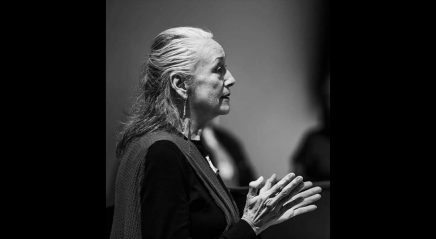
“I am Oglala Lakota and Lenape,” she said, introducing herself simply. “And I serve Native American Urban Ministry.” Ordained in 2025, she is also interim program assistant for Indigenous and tribal ministries with the ELCA’s Ministries of Diverse Cultures and Communities.
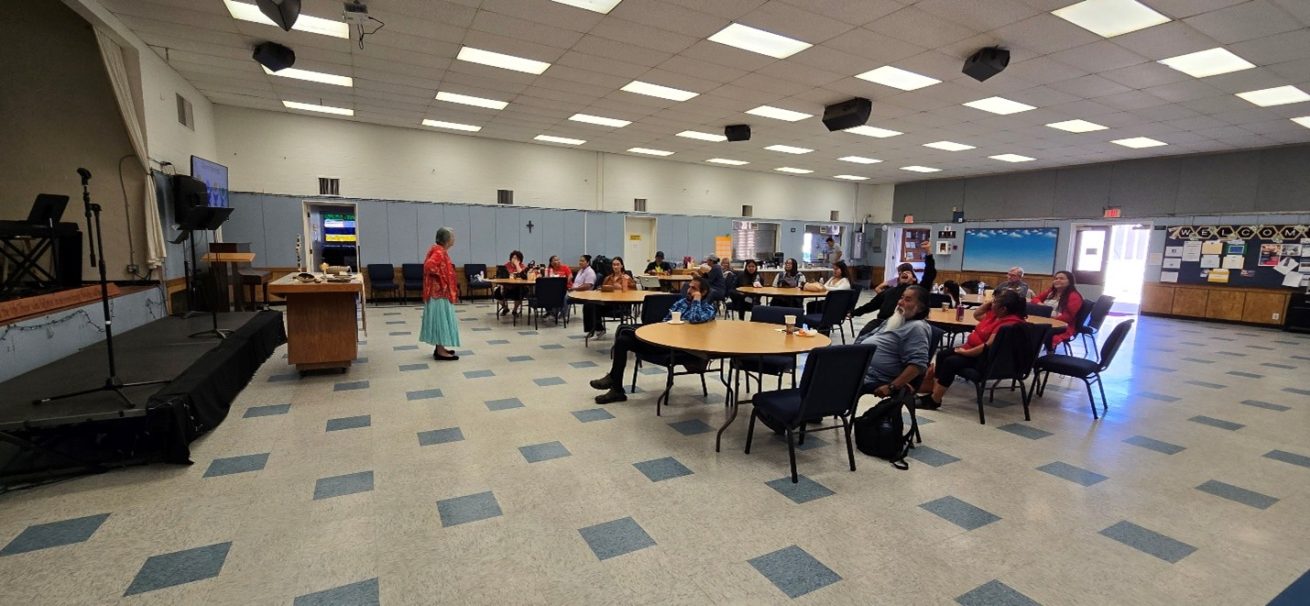
Founded in 2013 by Frenchman’s mother, Mary Louise Frenchman, Native American Urban Ministry was originally envisioned as a space for Indigenous Christians. Over time, it became much more. The ministry, which gathers in partnership with Grace Lutheran Church in Phoenix, sits at the intersection of movement and survival. Newcomers often enter the church with little more than a backpack. Many arrive straight from treatment programs or incarceration, or they wander in from the streets. Even for those who have never attended church services, the ministry is a beacon for those seeking stability, dignity and belonging.
“The people who arrived at [my mother’s] door were not who she expected,” Frenchman said. Many were unhoused. Many were in recovery. Many had never set foot in a church—and had no reason to. Without hesitation, Mary Louise, a trained grassroots organizer, adapted her ministry to meet their needs. Today, in addition to regularly scheduled worship, Native American Urban Ministry offers clothing, community connections and something less easily defined but equally essential: a stable presence.
The ministry is a reliable resource for every new face in the neighborhood. Partnerships with other local congregations help it to supply people with necessities, ensuring that those who arrive with nothing always feel welcome and never leave empty-handed.
In addition to logistical shifts over time, the Frenchmans have made theological changes to their ministry. For many Indigenous people, Frenchman notes, faith has never been confined to a building. Spiritual practices exist in culture, ceremony and community life, even if those expressions are not always recognized—or welcomed—in traditional church spaces. She knows that tension firsthand.
“There are people who have never stepped into a church and still consider themselves deeply faithful,” she said. That reality challenges long-held assumptions about what belief is supposed to look like, including where and how the Lutheran faith (or any belief system) should be practiced.
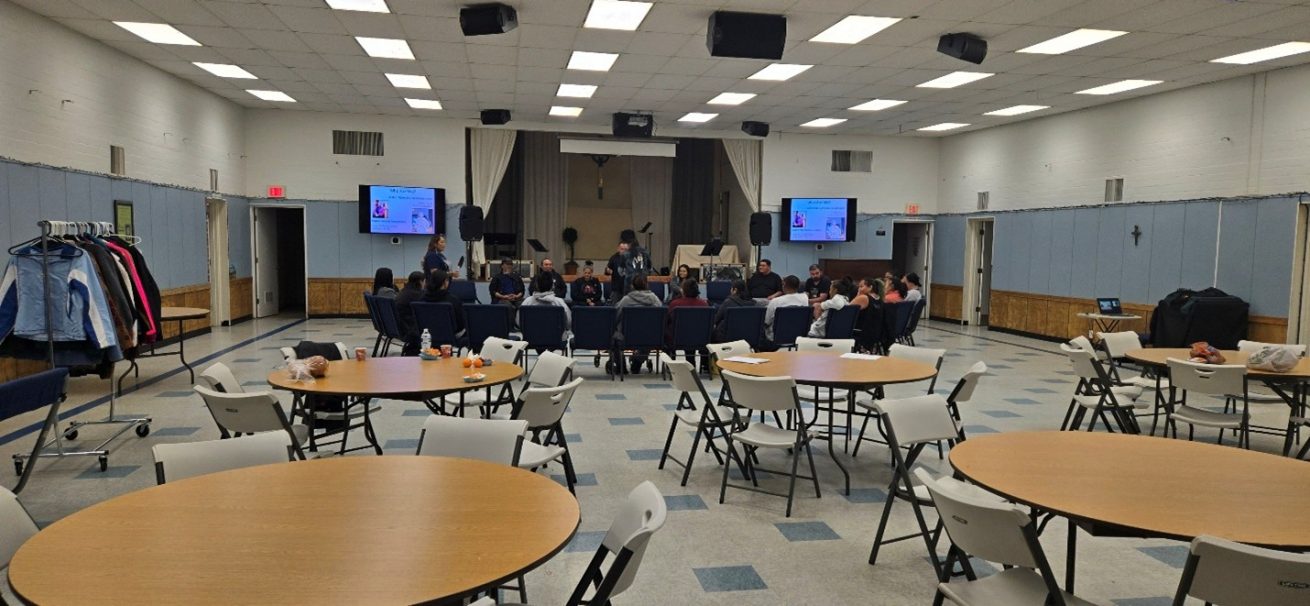
The Frenchmans worked hard to create alternative spaces for cultivating and sustaining Indigenous connection. These include the ministry’s talking circles, which frequently draw younger participants with no interest in attending standard church services.
“A lot of them think it’s white man’s Jesus … a white man’s church,” Frenchman said. “They don’t even try to come to church. They don’t even think it’s an option for them.”
That perception is rooted in lived experience—generations of exclusion, cultural erasure and theological frameworks with little room for Indigenous identity.
Frenchman challenges the assumption that faith is defined by church attendance. She strives to offer her ministry members something different: a place to connect, listen and be welcomed without expectation.
Her organic yet innovative approach to meeting people where they are with what they need—no questions asked—is, in many ways, worship reimagined as action. This model also indicates a broader need within the ELCA: to recognize that ministry does not, and should not, look the same in every context.
Frenchman’s own path to ministry reflects this reimagining. She was not raised in the church. Her call came later, shaped by watching her mother build a community rooted in care first and doctrine second. Visiting the sick, feeding those in need and meeting people in their homes at any hour were all part of the Frenchmans’ family tradition. These acts of service shaped her long before she became a practicing Lutheran.
She strives to offer her ministry members something different: a place to connect, listen and be welcomed without expectation.
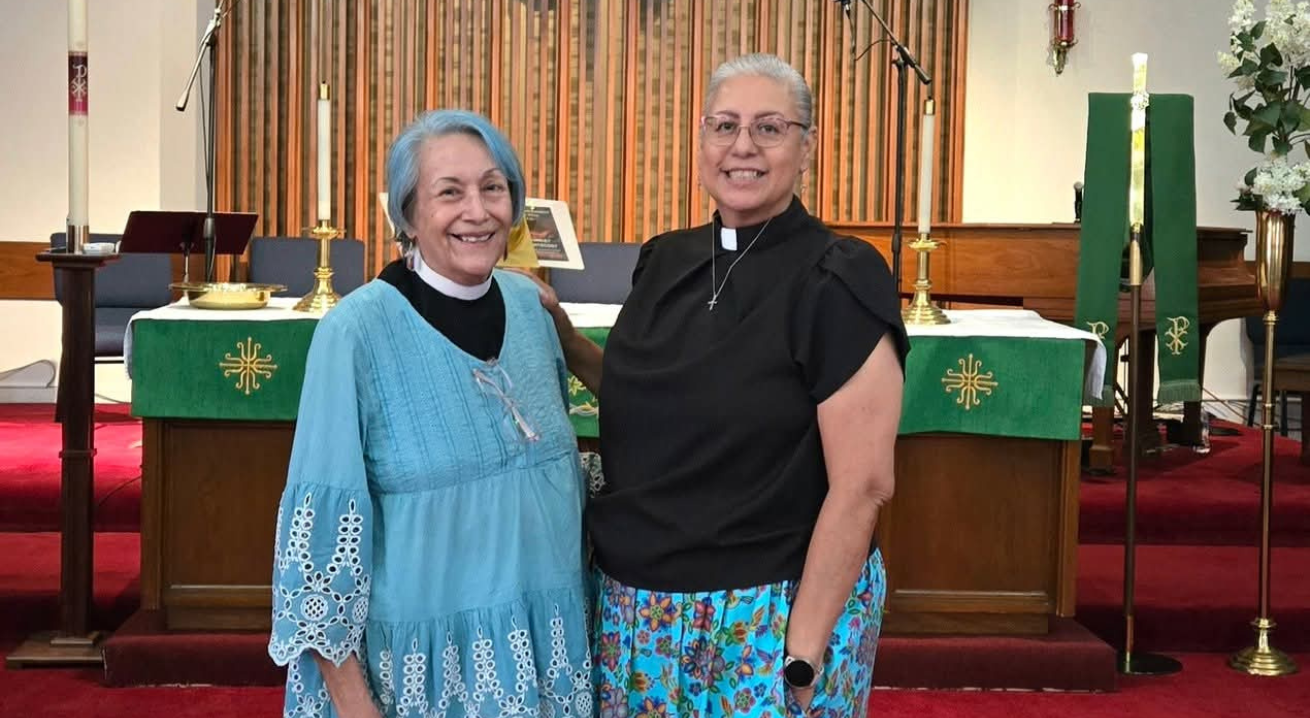
Today the two pastors try to provide space for traditional church services without sacrificing transformational practices that many people in the area find more familiar. The Frenchmans respect individual needs and each person’s identity, offering opportunities for worship that harmonize with alternative faith practices.
Their approach poses a necessary question to the wider church: Is traditional church service attendance necessary for practicing the Lutheran faith?
In Phoenix, the Frenchmans are collaboratively living their answer to that question. In them, Lutheranism looks less like a building with lockable doors and scheduled services and more like two Indigenous Christians working together to address the ever-changing needs of their neighbors—new and old.
“We meet people where they are,” Frenchman said. She and her mother believe that this means:
- Serving those in recovery without requiring belief first.
- Welcoming those who have never been to church.
- Honoring cultural practices alongside Christian faith.
It also means rethinking what constitutes success. Worship attendance may remain steady among older generations, but connection is happening elsewhere—across circles, in conversations and through acts of service.
Frenchman acknowledges that Native American Urban Ministry isn’t trying to replicate the traditional church model. Instead of upholding those standards, it is actively evolving to meet the community’s needs as they emerge. She plans to continue addressing real life in Phoenix with the same grace, hope, faith and determination as the mother who made her and the ministry they now lead together.
Editor’s note: Wanda K. Frenchman is an Indigenous leader and interim program assistant for Indigenous Relations and Tribal Ministries within the ELCA’s Ministries of Diverse Cultures and Communities. She is a member of the Oglala Lakota (South Dakota) and Lenape (Oklahoma) tribes.