 Logout
In ELCA Presiding Bishop Yehiel Curry’s message “A call to be trusted messengers in this election season,” readers received an invitation: “This year, I invite you to embrace an additional role to help strengthen our democracy: serving as trusted messengers in your communities.” This is a way, Curry said, to be “a powerful witness for truth, love of neighbor and honesty.”
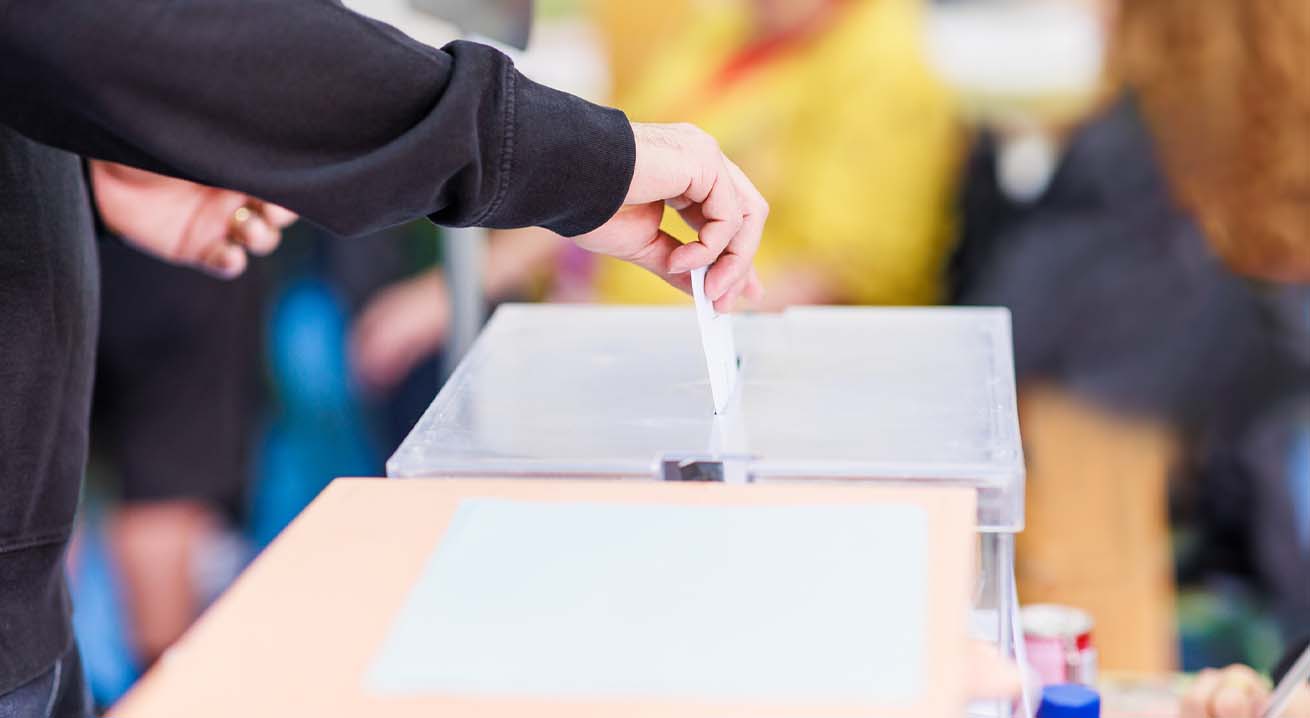
Every eligible voter deserves to feel safe, respected and confident when participating in elections. Faith communities can play an important role in nurturing a healthy civic life by sharing trusted, nonpartisan information, such as the resources offered by the League of Women Voters or the National Voter Registration Day website. For the U.S. midterm elections on Nov. 3, voters are encouraged to double-check their registration status, consider early voting, allow extra time for mail-in ballots and educate themselves about their rights at the ballot box.
The ELCA Election Engagement Toolkit also offers congregations practical, nonpartisan actions for faithful and thoughtful contribution in service to our neighbors and neighborhoods. From contact information to prayer vigil resources, the toolkit includes succinct but varied guidance and ideas for voter education, civic participation, respectful dialogue and engagement with issues that affect our communities.
One quick action is to post or share the “Prepared to Vote Checklist” (available in English and Spanish) in your congregation, ministry or other locations that reach voters. This simple starting point gathers facts that could help overcome potential barriers to Election Day participation.
People make the election processes work. Administration of elections in the United States is a highly decentralized process, primarily administered by thousands of state, territory and local systems. Do you know how it works in your community? The ELCA resource “Cultivating Relationships with Local Election Officials” supports building connections between the faith community and local officials. These relationships can strengthen trust, deepen understanding of local needs and create a foundation for civic engagement that continues after Election Day.
Want to prompt a rich discussion? The 21-minute video “Moving from Concern to Action in Houses of Worship” features Amy Reumann, senior director of ELCA Witness in Society. The video, part of the Interfaith Alliance’s “Train Up for Faithful Practices” series, offers question prompts and markers that can help houses of worship consider next steps.
However your congregation wants to get involved in election engagement, and whichever roles you take on, values such as service, justice, compassion, dignity and care for our neighbors help our faith communities serve as trusted messengers. Participation in public life is enlivening, not as something separate from faith but as one of the ways we put our faith into action.
Explore additional resources at resources.elca.org by searching the topic “Advocacy” and the subcategory “Civic engagement.”