 Logout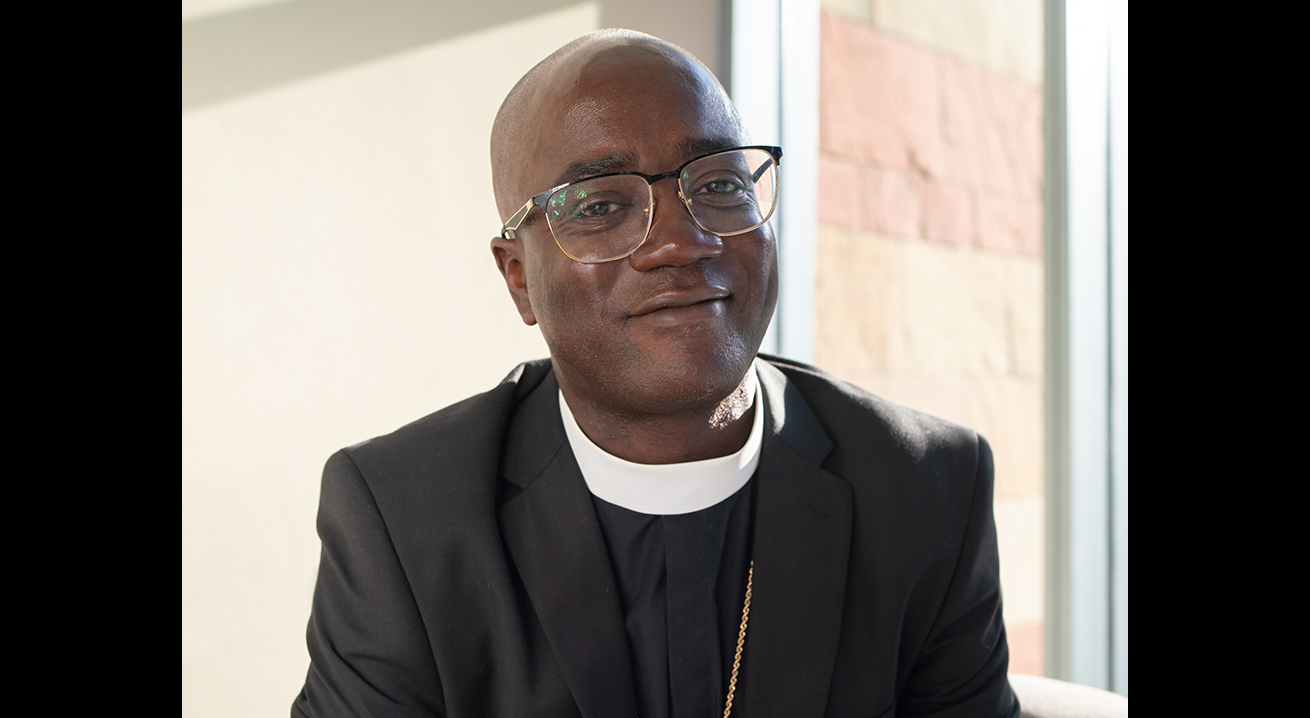
Not all memories come flooding back because of photographs. Sometimes they can be a song, a word or phrase, or even a smell. For me, it’s barbecue. One whiff and, in an instant, I’m transported back to my youthful summers with barbecues across the street in the park, with sights of fellowship, family reunions and church gatherings. That smell has a way of lingering. It settles into your clothes, into your skin. Even after the fire has died down, it stays with you. Fire does that often. It marks you, sticking with you longer than you expect.
I remember a story about a matriarch, simply known as Auntie. She considered herself a barbecue grill master. One day, the family gathered at her home for a summer holiday. As always, additional guests and food arrived after Auntie retired for the day. A family member thought he might help. He lifted the lid of the grill and noticed that nothing was cooking and the charcoals were dead. He went inside and prepared the meat and came back out with charcoal, lighter fluid and matches. And like that, Auntie suddenly appeared.
“What’s going on?” she asked.
He explained the situation and his desire to help.
Auntie didn’t do any more talking. She raised her hands, lowered her face into the grill and breathed into the coals. Poof, embers glowed again.
She said, “Still got fire.”
We just came through the Easter season, having celebrated Pentecost a short time ago. I see Pentecost not as a polite holy day but one just as important as Christmas and Easter. The Spirit isn’t arriving on a quiet night or shouting “Alleluia.” Instead, we read that the Spirit arrives like a violent wind, resting tongues of fire on the disciples. It’s a day when everything changes.
Here is the good news: the Spirit isn’t wrong. This church still has fire. Lay leaders still have fire. Rostered ministers still have fire. Congregations still have fire. Synods still have fire. And the churchwide organization still has fire.
Pentecost isn’t a spectacle, it’s a transformation. It’s when the disciples, men and women alike, become bold witnesses, when the church is born—not as an institution but as a movement. The Spirit sets these people out on a new calling, grounded in the life, death and resurrection of Jesus Christ.
I imagine that wherever the disciples traveled after that day, the memories came back whenever they felt a strong wind or met up with people around a tall fire. They felt it whenever they were afraid or uncertain. And, just like that day when the Spirit first arrived, they remembered that God breathed into them a new life, constantly renewing their calling and leading them to act boldly. They lived out Jesus’ call. They fed the hungry, housed those who needed a place to sleep, clothed the poor, bringing peace where peace seemed impossible.
That calling hasn’t diminished, even if it feels harder to hear, especially as phrases like “post-Christian” grow in popularity, implying we can keep the values of Christ without Jesus himself. The church where the Spirit flew in to breathe new life is replaced by a movement that dismisses empathy as weak, where disagreements are hardened into threats, and peace feels naïve.
Sometimes, even in this church, we can feel like the coals have gone cold. But Jesus’ call to the disciples is the same call he has for us today: “Let your light shine before others, so that they may see your good works and give glory to your Father in heaven” (Matthew 5:16). Jesus is telling us to care for the world. Live in right relationship with God and one another. Not through swords or bombs, not through dictates and orders, but through love and compassion.
When I go back several verses in that same chapter, I see the Beatitudes, God’s invitation to grace and love. Blessed are the poor in spirit. Blessed are the meek. Blessed are the merciful. Blessed are the peacemakers. I read these words and I can almost see the Spirit leaning into the grill, breathing into what we thought was finished, and saying, “Still got fire.”
And here is the good news: the Spirit isn’t wrong. This church still has fire. Lay leaders still have fire. Rostered ministers still have fire. Congregations still have fire. Synods still have fire. And the churchwide organization still has fire.
Yes, we’re going to make mistakes, and I will make mistakes, but we still have that fire burning inside us to be the peacemakers in a world desperate for peace.
The question isn’t whether the fire exists. The question is whether we are willing to tend to it.
A message from the ELCA Presiding Bishop Yehiel Curry. His email address is bishop@elca.org.