 Logout
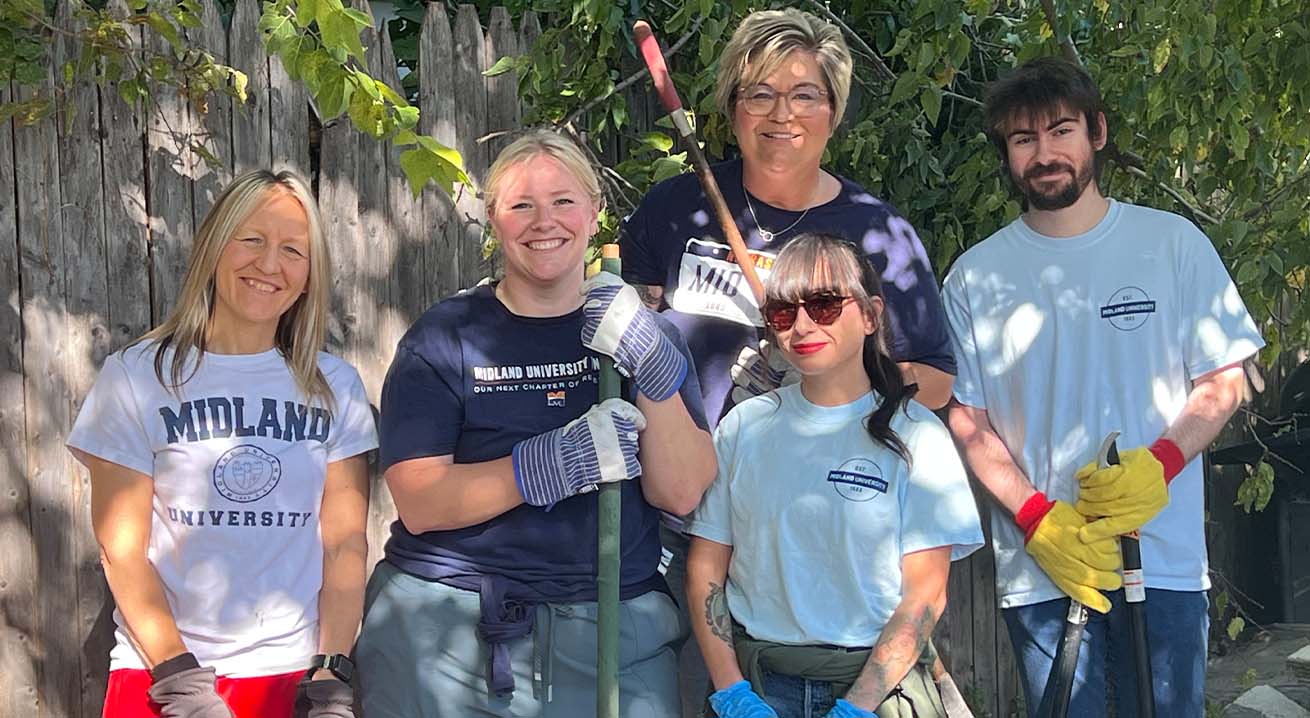
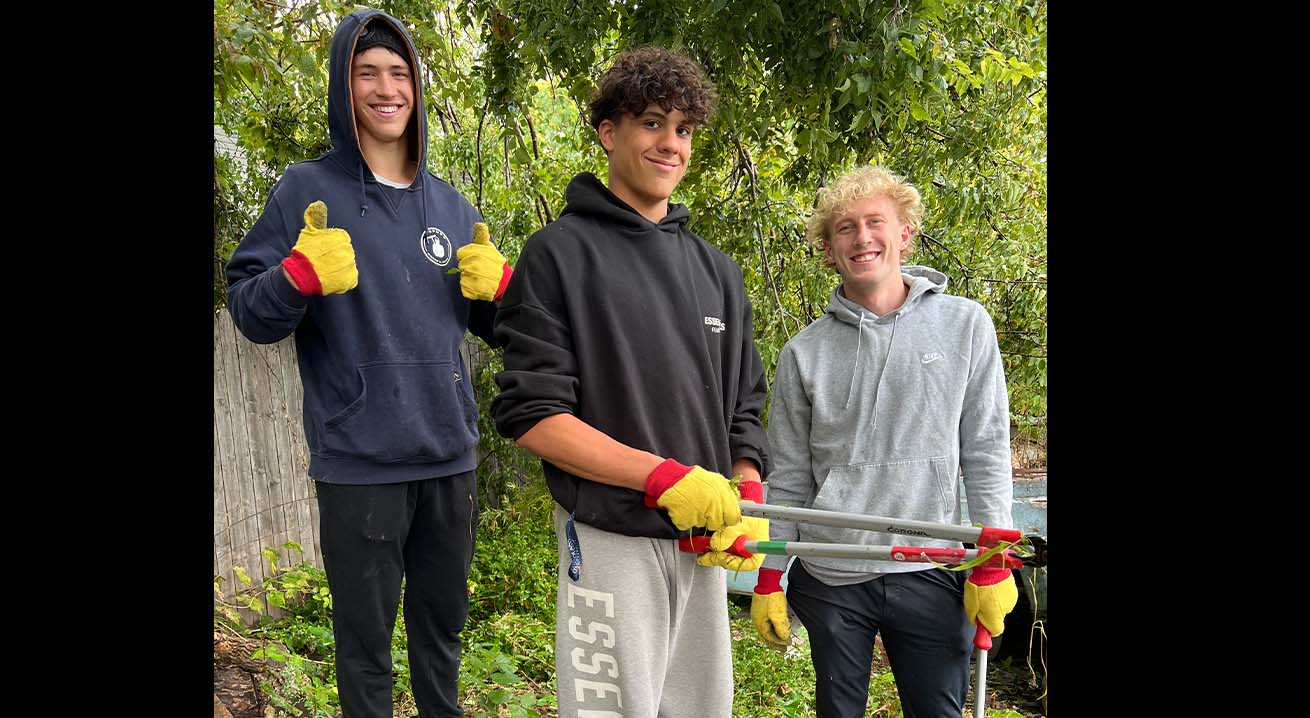
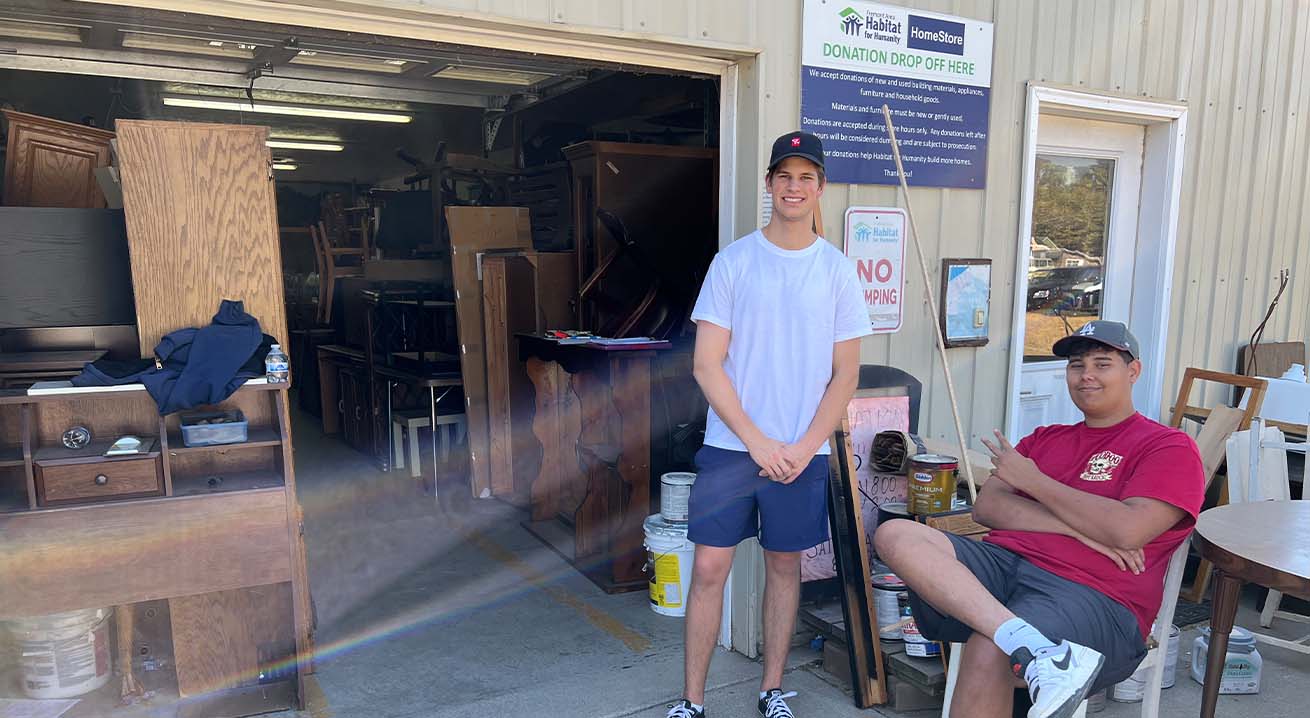



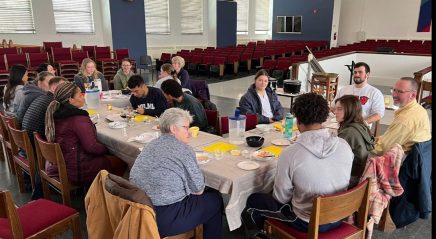
Students at Midland University in Fremont, Neb., are learning the value of serving their community during MOVE week.
MOVE, which stands for Midland Outreach & Volunteer Engagement, connects the campus with the greater Fremont community through service. Lisa Kramme, director for campus ministry and spiritual wellness, said the service-learning model is important, giving students hands-on experience in their community.
“We really focus on that engagement and how this is something beyond simply doing something for someone,” she said. “It’s a time to come alongside our neighbors.”
MOVE week was created in 2023, when Kramme expanded Mission Day at Midland, one of the ELCA’s 26 colleges and universities. For one week each fall semester, nearly 200 students, faculty and staff sign up to volunteer across Fremont—from engaging with senior citizens in an assisted living facility to walking dogs—and discover how that work connects to their vocation.
Courtney Wilder, professor of religion at Midland, said the emphasis on vocation is vital: “It’s an opportunity for students to not only hear about this in class and think about this in terms of their profession but also to do it in the community.”
Wilder, who typically signs up for yard cleanup events, said Kramme does an exceptional job of finding community spaces and organizations that are looking for extra hands to pitch in, from large-scale operations such as Habitat for Humanity and Head Start to a resident who needs help mowing their yard and clearing weeds.
Kramme sees the week as a way for Midland and the Fremont community to learn more about each other as they work together. “I’m really grateful for the community partners that we have who welcome us into their different places where they serve, so that we can serve alongside them,” she said.
A clearer path
After MOVE week, students are given the opportunity to reflect on the work they’ve done and its connection to their faith and studies. Most express a desire to volunteer again. “They see this as a window into what their potential impact on the community could be and what their lives might be like when they’ve finished school,” Wilder said.
She said students often lack the resources to know where they might volunteer on their own, but MOVE week provides them with this infrastructure and introduces them to organizations in need of support.
The experience also provides students with the opportunity to reflect on the people who have served them in their own lives, be they basketball coaches or scout leaders, and how they now get to do the same thing for others in their own capacities. “It’s a chance for them to see the possibilities of engaging with the community in ways that they maybe hadn’t explored for themselves as adults yet,” Wilder said.
At Midland, students learn that giving isn’t only an economic transaction but one made through their internal and external talents and capacities, which Wilder called “a very Lutheran” approach to understanding vocation. MOVE teaches students that they don’t need to wait for a full-time career to start living out their vocation. It gives them “a sense that there are things that they can do, that they can participate actively in making other people’s lives better and more secure,” she said.
“They see this as a window into what their potential impact on the community could be.”
Kramme agreed, recalling how one student felt more mindful of civic engagement after cleaning up a local park. “It definitely makes me want to pick up trash that I might see laying on my path as I walk around the community,” they said.
Wilder hopes that, in the future, MOVE week can occur in both spring and fall, though she recognizes that the scope of such an undertaking would be significant. She believes that offering similar events throughout the school year would benefit both the community and students.
The impact of MOVE week extends beyond those few days of service. It gives Midland students a better understanding of how to actively and creatively love their community. They serve up not only hot meals but also warm conversation and a feeling of being seen and known. Students aren’t just cleaning up and then returning to campus—they are heartily uniting with their community. MOVE week provides them with a clearer path of service and vocation.
As another student wrote to Kramme: “This experience will change the way I act in the future by now knowing that places could always need help. I want to try to help and volunteer more.”