Logout
“Hold on!” the kids screamed as they ran for help. Two sets of siblings were skipping rocks by the riverbed. Though their parents told them to stay close to the shore, the kids crept closer to the stream, jumping from one boulder to another to get a better angle for their stones to dance on the surface.
As most people know, river boulders can be quite slippery. It didn’t take long before one of the children fell into the water. His body caught on something underwater, and the river flow made it impossible for him to stand up or break free. Two of the kids ran back to get help while the older sister stayed behind. She had her hands in the water, holding on to her little brother as tight as she could.
Before long, a caravan of parents, neighbors and rescue workers were dancing along the same boulders to get to the boy. “Hold on,” they shouted until they could get to the sister and free her brother from the river’s wrath.
Do you know what it’s like when someone refuses to let go? Not because they’re stubborn, but because they know what’s at stake.
As we enter into the season of Reformation, I think about the passages in John 7-8. During a tense exchange outside a festival, Jesus moves into the temple and starts preaching. At one point, he says, “If you hold to my teaching, you are really my disciples. Then you will know the truth, and the truth will set you free” (John 8:31b-32, NIV).
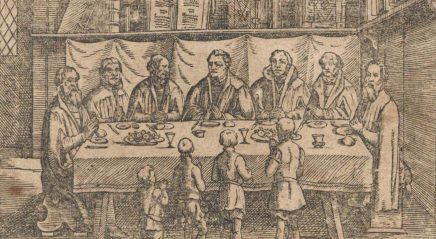
When we talk about the Reformation, we often focus on the changes that were made to the traditional church over 500 years ago. We think about the 95 Theses and arguments about how to live a faithful life, which are different from what we were used to. But, as the ELCA, we understand that reforming means the Spirit is continually at work inside us. God renews the church’s teaching, its structures and our lives so that grace is proclaimed in every age.
The freedom in the Bible is not freedom to dominate others but to love our neighbors, advocate for justice, hold leaders accountable, defend the vulnerable and seek the common good.
Martin Luther didn’t abandon the church; he held on to Jesus’ words. He held tightly to John’s Gospel: “In the beginning was the Word, and the Word was with God, and the Word was God” (1:1). Instead of holding on to certainty, Luther clung to Ephesians when it says we are saved by grace through faith (2:8-9). When the church pushed back against his efforts to change, he held on to Jesus’ words and kept them a central part of our faith tradition.
Holding on to Jesus’ words shapes how we live in public. When we lean into the Bible as our foundation, we become wary of movements that use Jesus as a tool for power and control instead of reflecting a savior who came in humility. The freedom in the Bible is not freedom to dominate others but to love our neighbors, advocate for justice, hold leaders accountable, defend the vulnerable and seek the common good.
Back to that young boy at the river. When he was in the hospital after the adults rescued him, a nurse noticed the young child tracing his fingers along the large marks on his stomach.
“Those marks on your stomach are pretty big,” the nurse said. “It’s hard to imagine how big the boulders were under the water that caused such damage.”
The child shook his head and said, “These marks aren’t from any rock. They were made by my sister. These marks were made as she held on to me.”
Perhaps this is what we are called to do in every age, to hold on to the gospel when the current is strong. To hold on to those who struggle. To hold on to those the world wants to let drift away. To leave marks, not of control but of grace, mercy and love. Because this is what Christ has done for us.
What marks are we leaving on the church?
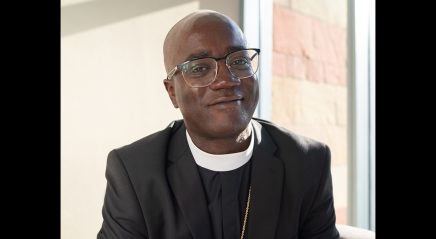
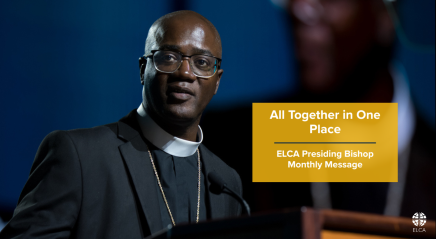
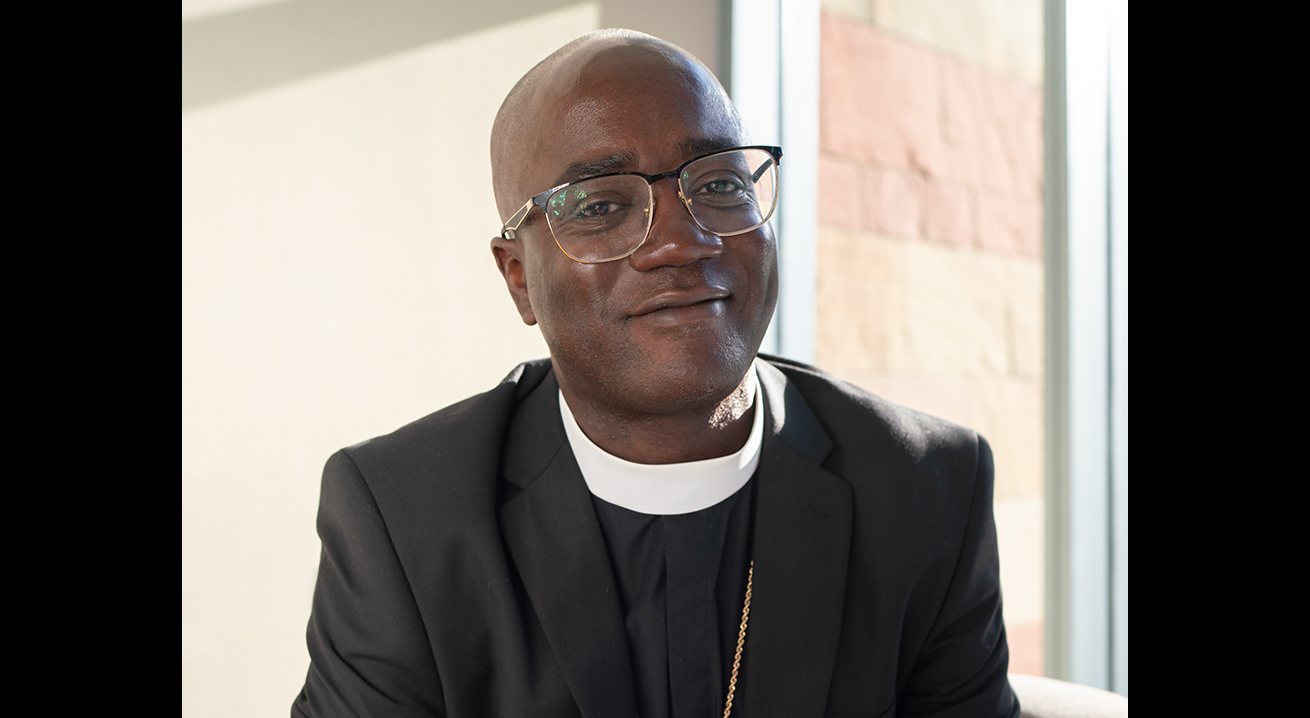
A message from the ELCA presiding bishop. His email address is bishop@elca.org.