Logout





What does responsible theology entail, and why is it important today? What does it mean to be a theologian of the cross? And how does the cross inspire action, not just reflection?
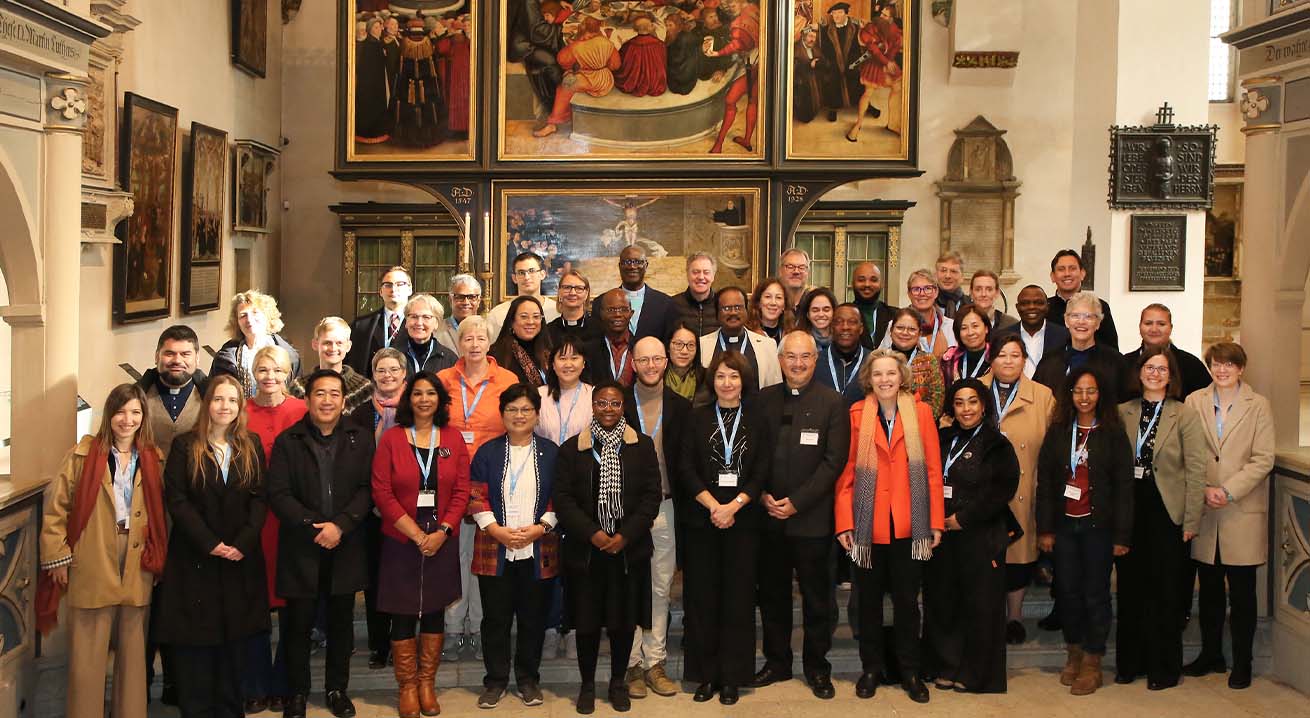
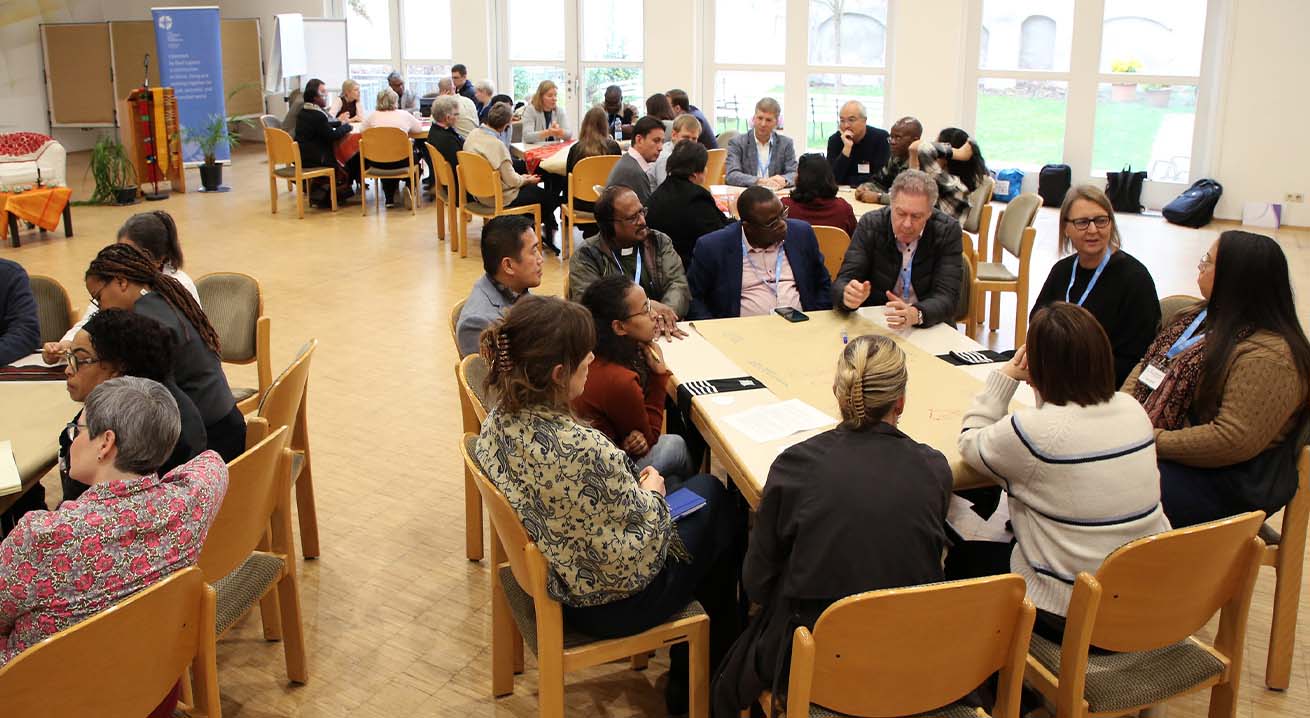
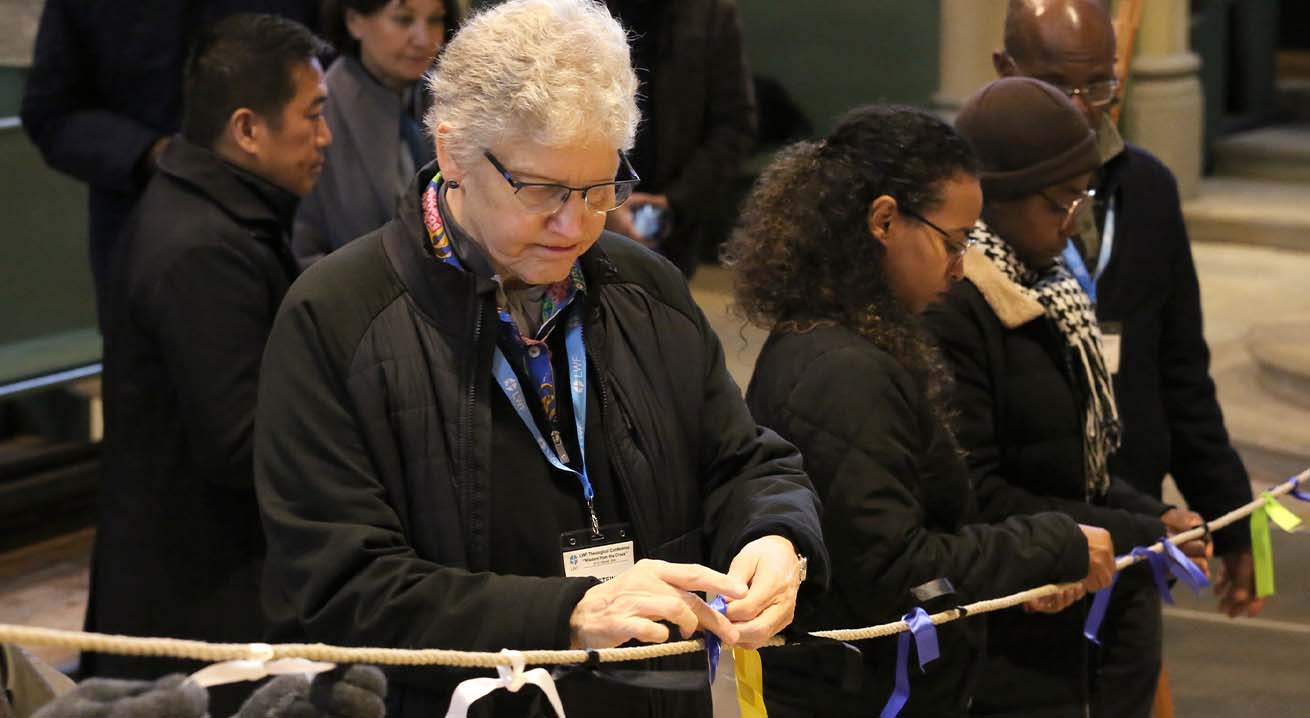
These were the questions the Lutheran World Federation (LWF) placed at the center of a global conference last week in Wittenberg, Germany, that met under the theme “Wisdom from the Cross.” The event, held Oct. 27-31, kicked off a series of annual gatherings related to the LWF’s 2025-2031 strategic priorities, with the goal of deepening biblical, doctrinal and grassroots understanding and practice of responsible theology across LWF member churches and theological institutions.
The series relates to LWF commitments such as a study process on “Theologies of the Cross for the 21st century” requested by the 13th LWF Assembly in 2023 to support churches’ response to misleading theologies while affirming a shared commitment to strengthening communion.
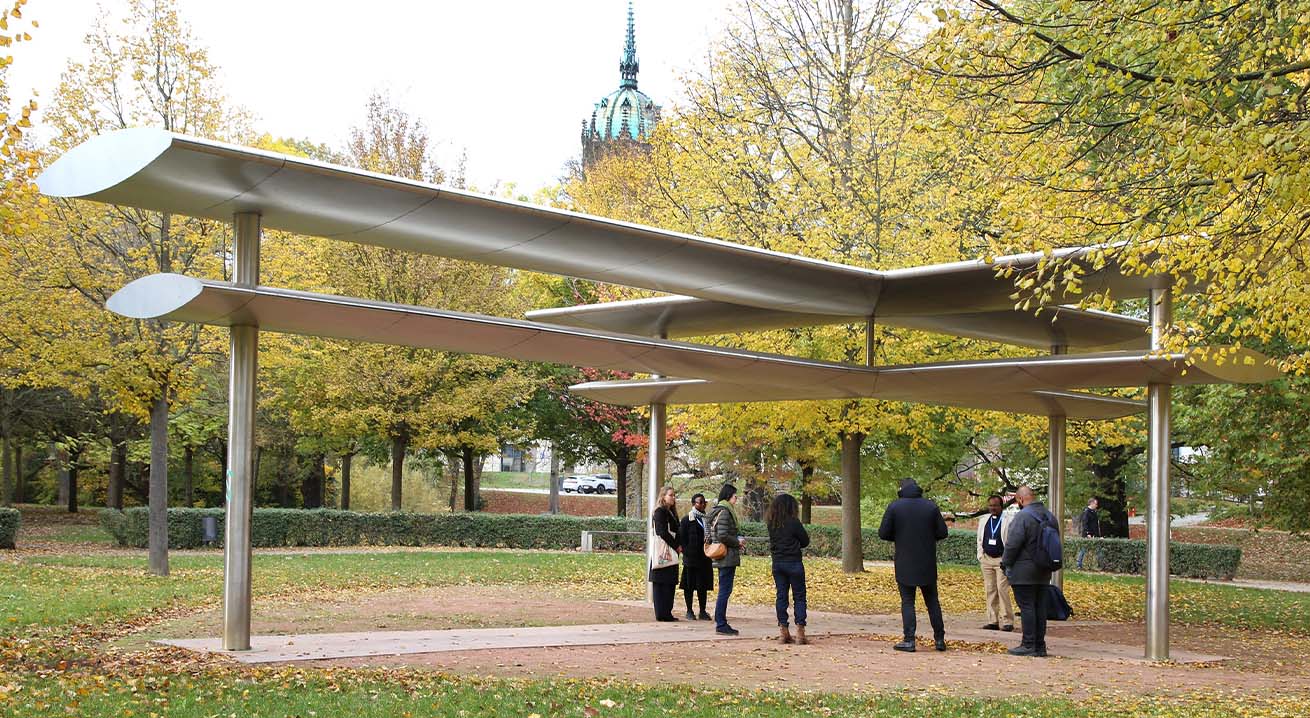
Theologians, theological educators and church leaders from LWF member churches across all seven regions of the global communion attended, along with representatives of LWF ecumenical and related organizations. The event was held in Wittenberg to enable participants to visit some of the historical landmarks of the Reformation and to connect with the work of the LWF Center Wittenberg.
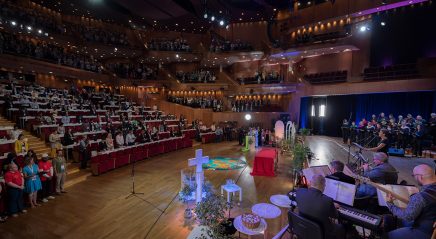
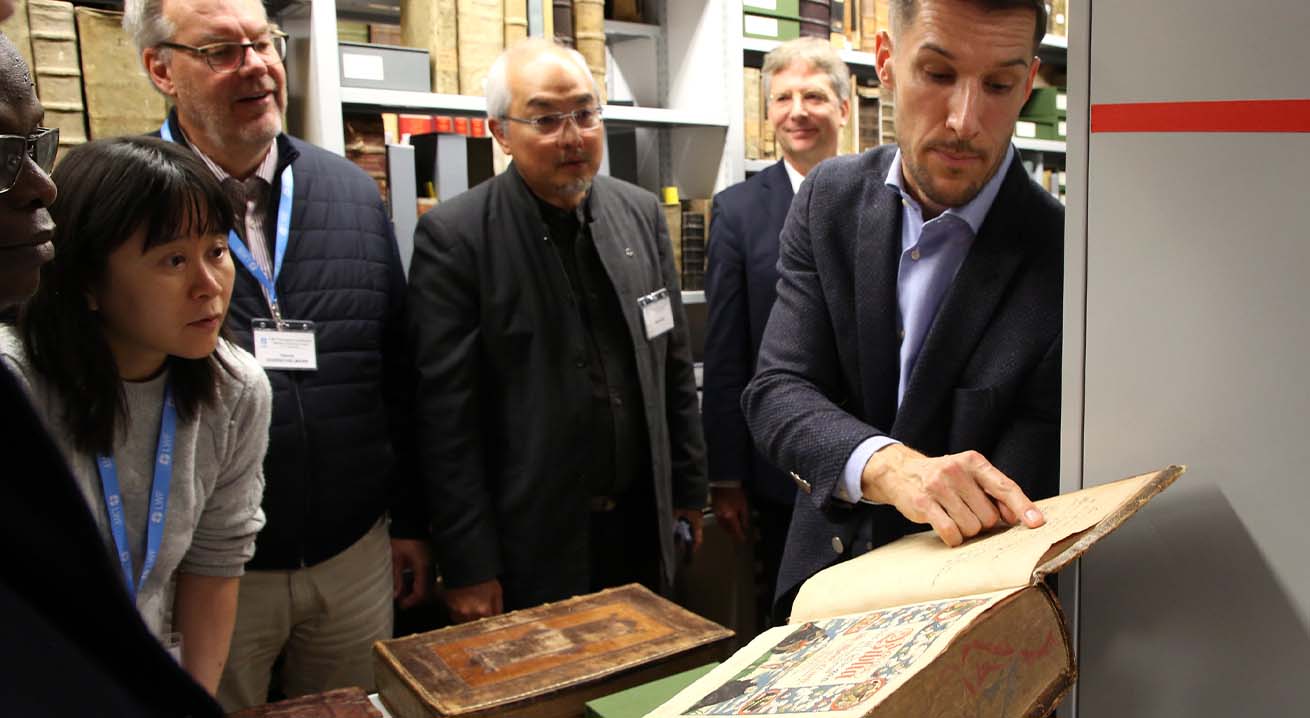
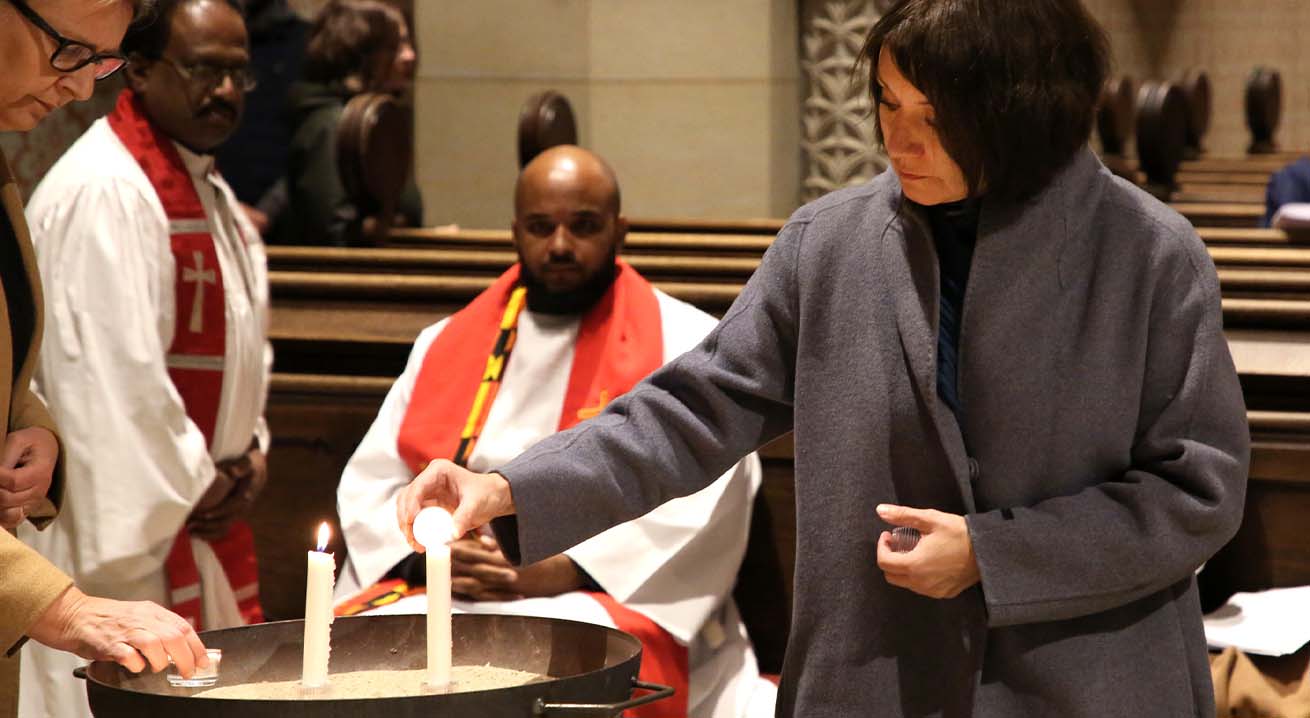
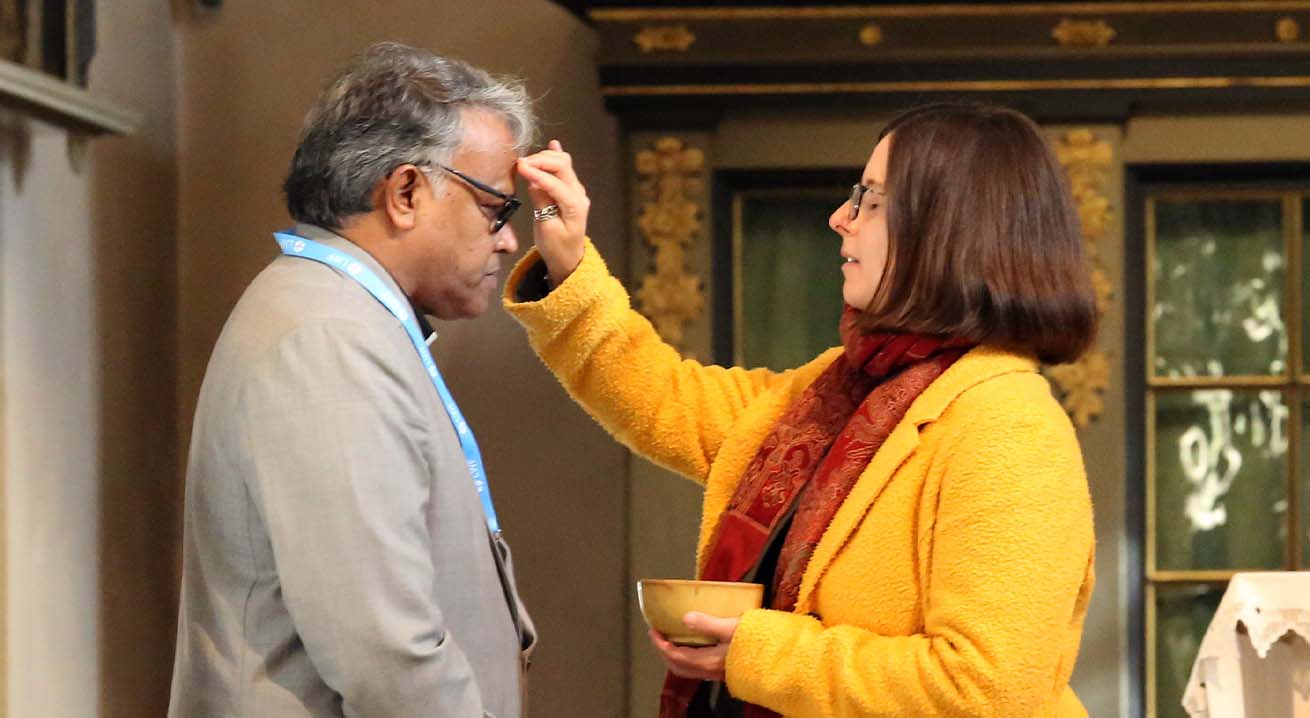
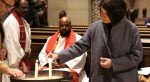
The gathering included plenary keynote addresses, workshops and excursions, including a visit to the Reformation History Research Library. The conference followed a holistic and participatory approach to doing theology together, including liturgical aspects such as worship services and concluding with a Reformation Day service at the City Church (St. Mary) in Wittenberg.
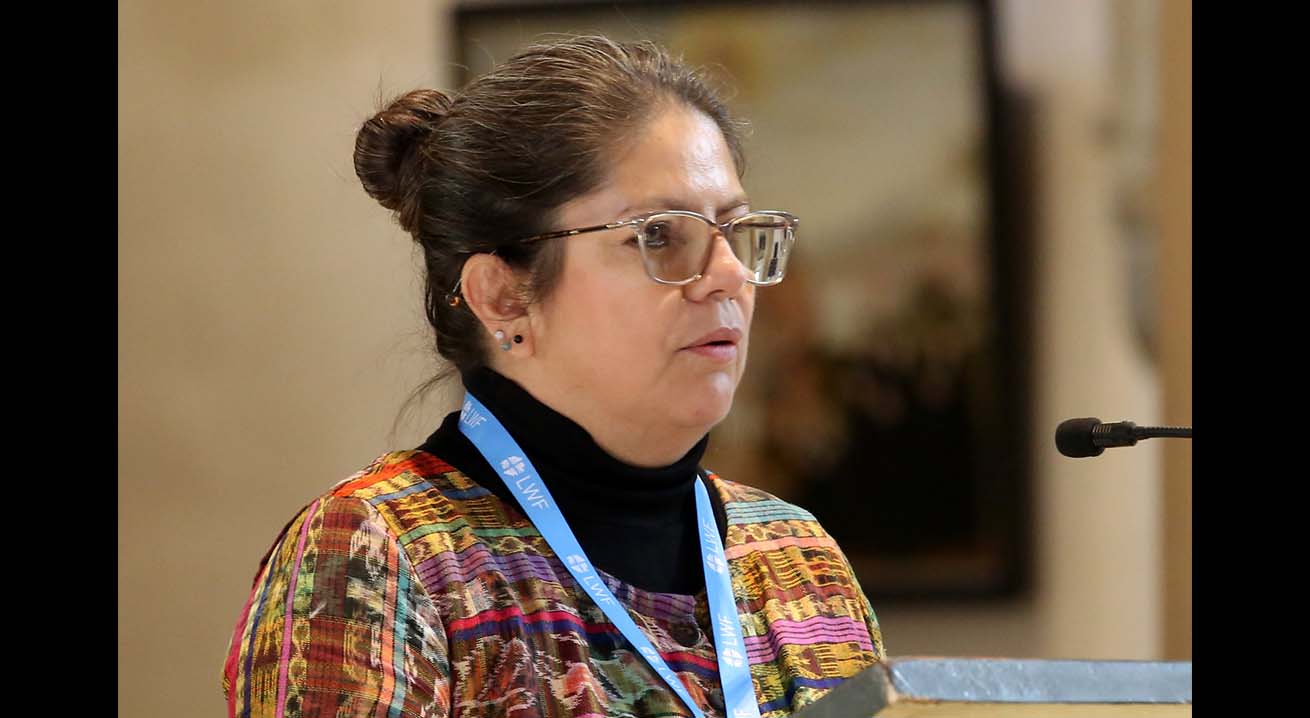
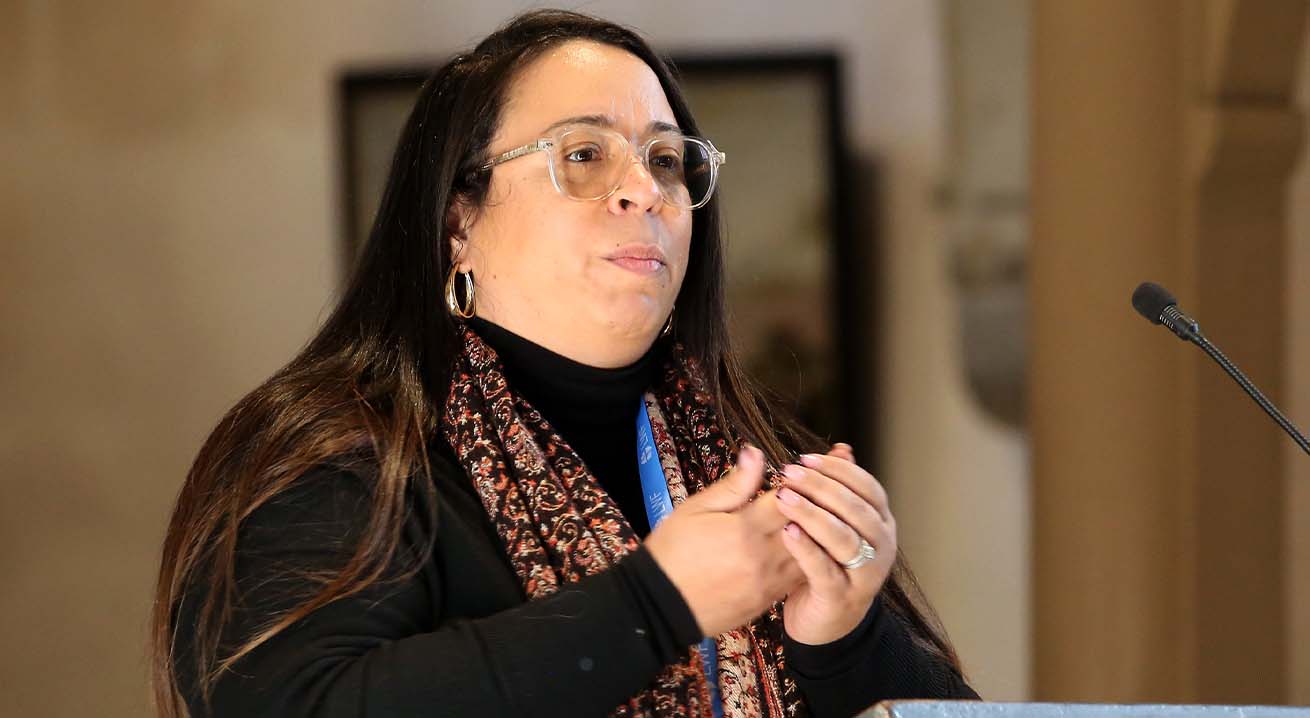
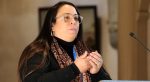
Reflecting on the relevance of the conference discussions to her home church, Karen Castillo, president of the Augustinian Lutheran Church of Guatemala, said the gathering helped her to focus on questions about whose voices are heard in theological reflection and academic contributions.
“How might a theology of the cross take flesh in our worship, relationships, decisions and responses to injustice?” she asked. The church needs to open up more space, and provide support, for people to confront grief, anger and unanswered questions while confronting the conditions that wound human dignity, she said.
Solidarity with “crucified communities”
Across presentations, speakers concurred that a theology of the cross and responsible theology are not merely concepts to be studied, but a lens through which churches are called to engage with the realities of the world today.
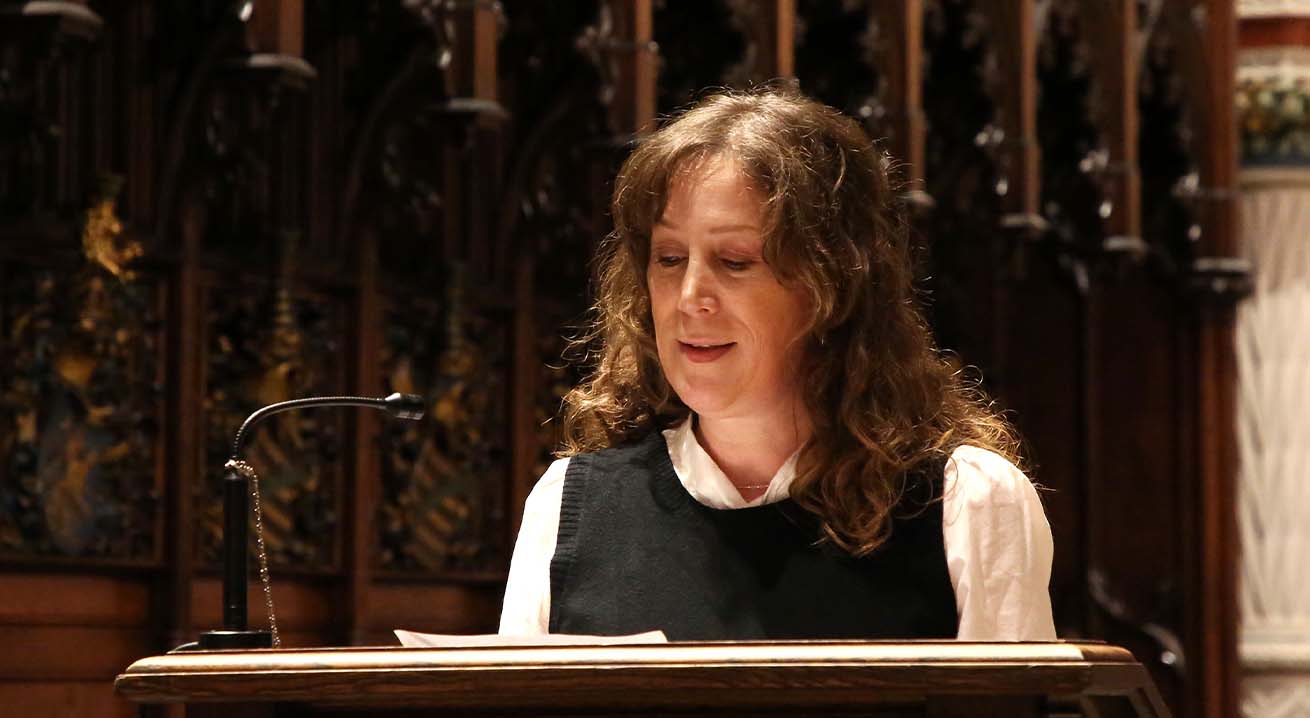
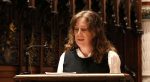
In her opening remarks, Anne Burghardt, LWF general secretary, described responsible theology as foundational to the strategic witness and service of the Lutheran communion. It was reaffirmed at the 2023 LWF Assembly as a response to theological approaches that foster exclusion, division or disengagement from society, she explained.
“If the cross is the criterion of everything that claims itself to be Christian, if the cross is the norm of a theology of the cross, the normativity perhaps lies in our adjacency of solidarity to the crucified people,” she said.
“If the cross is the norm of a theology of the cross, the normativity perhaps lies in our adjacency of solidarity to the crucified people.”
Joseph Prabhakar Dayam, principal of Gurukul Lutheran Theological College and Research Institute in Chennai, India, agreed. In his keynote speech, Dayam shared his reluctance at claiming the title “theologian of the cross.” “One can only stand in awe” of the mystery of the cross “and surrender to its grace,” but not claim to have fully grasped its meaning, he said.
Questions about suffering, exclusion and solidarity were central to Dayam’s presentation. A theology of the cross, he argued, should direct Christians toward the places where Christ is encountered among those who suffer. Responsible theology therefore involves responsiveness to what he called “crucified communities” and participation in solidarity with them.
During the conference, Burghardt invited participants to consider questions that require a theological response, the resources needed for such a response, and factors that hinder churches from taking a necessary action. Hope, she added, is not based on what is probable, but on trust in the very reality where hope stems from. “This reality is the living God who is a loving God; God who makes all things new, who can create new possibilities, new beginnings, even if they are not necessarily the ones we would have chosen or desired,” she said.
This story originally appeared at lutheranworld.org.